Luxury That Pays: My Real Talk on Smarter Spending and Steady Returns
You’ve probably wondered: can buying luxury items ever be a smart financial move? I used to think it was just splurging—until I learned how thoughtful spending on high-quality goods can actually support a more stable financial strategy. It’s not about flashy labels; it’s about value retention, mindful consumption, and turning everyday purchases into long-term wins. Let me walk you through how upgrading your approach to luxury can mean more than style—it can mean smarter wealth building. This isn’t about chasing trends or showing off. It’s about making choices that align with long-term financial sense, personal values, and practical benefits. The truth is, not all spending drains your wallet. Some, when done wisely, can actually help protect and even enhance your financial position over time.
The Hidden Truth Behind Luxury Spending
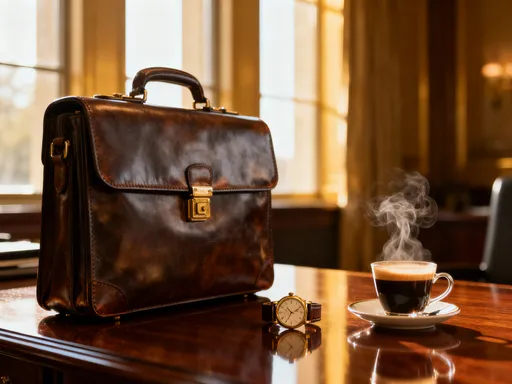
Luxury spending often carries a stigma—it’s seen as indulgent, unnecessary, or financially reckless. But beneath the surface, there’s a less-discussed reality: certain high-end purchases don’t behave like typical consumer goods. While most items lose value the moment they leave the store, select luxury goods—such as well-crafted handbags, precision timepieces, or fine leather accessories—can maintain or even increase in worth over time. This isn’t speculation; it’s supported by observable market trends. For example, certain classic handbag models from established European brands have demonstrated consistent resale value, with some appreciating by 5% to 10% annually over the past decade. These items aren’t just fashion statements—they function more like durable assets, similar in principle to collectible art or vintage automobiles.
The key distinction lies in quality and desirability. Mass-market goods are designed for short-term use and rapid turnover, contributing to a cycle of constant replacement. In contrast, luxury items are often made with superior materials, meticulous craftsmanship, and timeless design. This combination enhances longevity and market appeal. When you buy a $2,800 leather handbag built to last two decades, you’re not just purchasing an accessory—you’re investing in something that may retain 60% or more of its value after years of use. That changes the financial equation entirely. Instead of a total loss, you have a partial recovery, reducing the net cost of ownership significantly.
Moreover, the psychological shift from consumption to curation plays a powerful role. When you view certain purchases as long-term assets, you naturally become more selective. You research brands, study materials, and consider usage patterns. This disciplined mindset spills over into other areas of spending, promoting greater financial awareness. It’s not about buying more luxury items—it’s about buying better ones, less frequently, and with intention. Over time, this approach can lead to reduced overall spending while increasing satisfaction and value retention.
From Consumption to Value Retention: Rethinking "Worth"
To truly understand the financial logic behind luxury spending, we need to redefine how we measure worth. Traditionally, consumers judge a purchase by its upfront price. But a smarter metric is cost-per-use, combined with resale potential. Consider this: a $300 handbag replaced every 12 months costs $300 per year. Over ten years, that’s $3,000 in total spending—with zero residual value. Now, compare that to a $3,000 handbag used daily for ten years. Even if it sells for only $900 after a decade, the net cost is $2,100, or $210 per year. That’s a 30% reduction in annual cost, not to mention the superior quality, comfort, and aesthetic satisfaction throughout the ownership period.
The growing strength of the secondhand luxury market amplifies this advantage. Platforms that authenticate and resell pre-owned luxury goods have seen significant growth, with global sales reaching billions annually. These markets provide liquidity—meaning you can convert high-quality items back into cash when desired. Certain watches, for instance, maintain strong demand among collectors and enthusiasts, allowing owners to sell at favorable prices even after years of use. This circular economy transforms spending from a one-way outflow into a more balanced exchange: you enjoy the item, then recover a meaningful portion of your investment.
This shift in thinking also encourages more mindful consumption. When you know an item can be resold, you’re less likely to make impulsive buys. You consider durability, versatility, and timeless appeal. You ask: Will I still love this in five years? Does it go with multiple outfits? Is it made to last? These questions lead to better decisions and fewer regrets. Over time, this disciplined approach reduces clutter, saves money, and fosters a deeper appreciation for what you own. It’s not about denying yourself pleasure—it’s about ensuring that pleasure comes with lasting value.
Spotting the Difference: Emotional Buys vs. Strategic Upgrades
One of the biggest challenges in luxury spending is distinguishing between emotional purchases and strategic upgrades. The former are driven by momentary desire—perhaps a limited-edition item, a celebrity endorsement, or a seasonal trend. These buys often feel exciting in the moment but lose their appeal quickly. The latter, however, are grounded in long-term utility, quality, and value retention. A strategic upgrade might be a winter coat that lasts 15 years, a watch that keeps accurate time for decades, or a pair of shoes crafted from full-grain leather that molds to your feet over time.
The difference isn’t always obvious. Both types of purchases can carry high price tags and come from respected brands. But the outcomes diverge sharply. Emotional buys often sit unused or are resold at steep discounts due to lack of demand. Strategic upgrades, on the other hand, are used frequently, age gracefully, and retain market interest. The key to making the right choice lies in pausing before purchasing. Ask yourself: Is this solving a real need? Will I use it regularly? Is it built to withstand daily wear? Does the brand have a proven track record of value retention? Answering these honestly helps separate fleeting impulses from lasting investments.
Another useful practice is the 30-day rule: wait a month before making any high-value purchase. If the desire remains strong after a month of reflection, it’s more likely to be a genuine upgrade. This simple delay builds financial discipline and reduces buyer’s remorse. It also gives time to research resale history, read reviews, and compare alternatives. Over time, this habit transforms spending behavior, leading to fewer, better choices. The result isn’t a closet full of unused luxury items—it’s a curated collection of pieces that serve, satisfy, and sustain.
Building a Personal Portfolio of Value-Holding Goods
Just as investors diversify their financial portfolios across asset classes, individuals can build a personal portfolio of tangible goods that hold or increase in value. This isn’t about hoarding expensive items—it’s about intentional selection. Categories that often perform well include leather goods, mechanical watches, high-end writing instruments, and select home appliances or audio equipment. Each of these, when chosen carefully, can serve both functional and financial purposes.
For example, a well-maintained mechanical watch from a reputable manufacturer can remain accurate and desirable for generations. Unlike digital devices that become obsolete, such watches are appreciated for their craftsmanship and history. Similarly, full-grain leather bags and jackets improve with age, developing a unique patina that enhances their appeal. These items don’t just serve a purpose—they become heirlooms, passed down or sold at strong prices when no longer needed.
To build such a portfolio, apply basic investment principles. Look for durability: items made with high-quality materials and solid construction. Seek timeless design: avoid overly trendy styles that may feel dated in a few years. Consider brand reputation: established names with strong secondary markets tend to hold value better. And assess demand: items with active resale markets offer greater liquidity. By applying these filters, you increase the likelihood that your purchases will retain worth over time.
This approach also promotes more sustainable consumption. When you buy fewer, higher-quality items, you reduce waste and environmental impact. You support craftsmanship over mass production. And you gain peace of mind knowing your spending aligns with both personal values and financial prudence. Over the long term, this portfolio can act as a buffer against inflation or market volatility, offering a tangible store of value that complements traditional investments.
Navigating the Secondhand Luxury Market with Confidence
The rise of authenticated resale platforms has revolutionized access to luxury goods. Today, consumers can purchase pre-owned items at 30% to 50% below retail prices, often with certification of authenticity and condition. This isn’t second-rate shopping—it’s smart financial positioning. By entering the market at a discount, you lower your cost basis, improving your potential return if you later decide to resell. For example, buying a gently used handbag for $1,800 that originally retailed for $3,000 gives you a $1,200 head start in value recovery.
These platforms also provide transparency. Many offer detailed condition reports, high-resolution photos, and authenticity guarantees backed by expert verification. Some even track resale prices across time, allowing buyers to make informed decisions based on market trends. This data-driven approach removes much of the uncertainty traditionally associated with secondhand luxury shopping. You can see how a particular model has held value over the past five years, helping you predict its future performance.
Selling is equally streamlined. Reputable platforms handle listing, authentication, and transaction processing, making it easy to convert an item into cash when the time is right. This liquidity is crucial—it means your luxury purchases aren’t locked in but can be part of a dynamic financial strategy. You can rotate pieces in and out of your collection, adapting to changing needs or tastes without significant loss.
Confidence in this market comes from knowledge and caution. Stick to trusted platforms with strong buyer protection policies. Learn the signs of wear that affect value, such as scratches on watch crystals or stains on linings. Keep original boxes, dust bags, and purchase receipts when possible—they add provenance and can boost resale prices. With these practices, you turn luxury spending into a more predictable, manageable part of your financial life.
How This Fits into a Broader Financial Strategy
It’s important to emphasize: luxury spending, even when strategic, is not a substitute for traditional investing. Stocks, bonds, retirement accounts, and emergency savings remain the foundation of financial health. What value-retaining consumption offers is a complementary layer—one that reduces the hidden cost of living. Every dollar spent on a disposable item is a dollar lost. But every dollar spent on a durable, desirable good is a dollar partially preserved.
When integrated into a balanced financial plan, this approach enhances overall stability. Imagine a household budget that includes a line for quality essentials—outerwear, footwear, accessories—purchased intentionally and expected to last for years. By reducing the frequency of replacements, the family saves money over time. Those savings can be redirected toward debt repayment, retirement contributions, or education funds. Meanwhile, the resale value of these items provides a small but tangible financial cushion.
This strategy also supports emotional well-being. Financial stress often stems from feeling like money disappears without return. But when purchases retain value, you gain a sense of control and progress. You see that your choices matter, that discipline pays off, and that quality has long-term benefits. This confidence encourages better decision-making across all areas of life, from grocery shopping to major investments.
The goal isn’t perfection. No one needs to own only luxury items or avoid all fast fashion. The point is balance—being mindful of where you spend, why you spend it, and what you get in return. By aligning spending with value retention, you create a system where lifestyle and financial health grow together, not in conflict.
Long-Term Gains: Beyond the Price Tag
The true benefit of this mindset extends far beyond resale value. It’s about cultivating a deeper relationship with money and material goods. When you stop viewing purchases as disposable and start seeing them as long-term assets, you become more intentional, more patient, and more empowered. You spend less time chasing trends and more time enjoying what you own. You reduce clutter, simplify your life, and build a wardrobe or home that reflects enduring taste rather than fleeting impulse.
Over the years, these small advantages compound. The money saved on replacements, the value recovered through resale, the confidence gained from smart choices—all of it adds up. It’s not a get-rich-quick scheme. It’s a slow, steady form of wealth preservation, much like compound interest. And like interest, it works best over time. A single thoughtful purchase won’t change your financial future. But a lifetime of such decisions can.
In a world that often equates spending with waste, this approach offers a different narrative. Luxury, redefined, isn’t about excess. It’s about excellence—excellence in craftsmanship, in decision-making, in living deliberately. It’s about choosing quality over quantity, intention over impulse, and value over vanity. That’s not just smarter spending. It’s smarter living. And for anyone seeking both financial stability and a more meaningful lifestyle, it’s a path worth considering.