Tapas with a View: Where Seville’s Flavors Meet Its Skyline
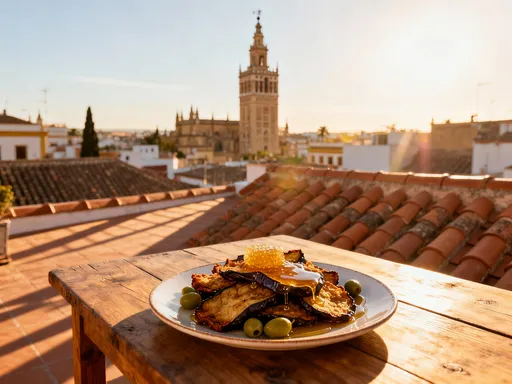
Seville isn’t just about flamenco and fountains—its soul spills onto rooftops and riverbanks, where food meets panorama. I’ll never forget my first sunset bite: crisp fried aubergine drizzled with honey, olives crumbling between my fingers, all beneath a golden sky melting over red-tiled rooftops. In Seville, dining isn’t just eating—it’s an elevated experience, literally and figuratively. Here, every meal feels like a celebration of light, flavor, and place. The city’s architecture opens upward, inviting diners to climb, gaze, and taste all at once. From hidden terraces to riverside nooks, Seville turns ordinary meals into sensory journeys where the plate and the view are equally important.
The Skyline and the Plate: Why Seville’s Geography Elevates Dining
Seville’s charm lies in its intimate scale and vertical grace. Unlike sprawling metropolises dominated by skyscrapers, this Andalusian capital preserves a skyline defined by church domes, bell towers, and the iconic Giralda. With strict building height regulations in place, most structures rise no higher than three or four stories, allowing unobstructed sightlines across neighborhoods and over rooftops. This low-rise character creates a unique opportunity—elevated dining spaces are not exclusive to luxury hotels but accessible from modest buildings, family-run bars, and even public plazas.
The city’s winding streets, inherited from its Moorish past, were designed for shade and airflow rather than grand vistas. Yet these same narrow lanes open unexpectedly into small plazas or lead to vantage points where the Guadalquivir River glimmers in the distance. These moments of visual surprise are mirrored in the dining experience. A simple turn can reveal a terrace perched above a quiet alley, offering panoramic views of cathedral spires bathed in late afternoon light. The architecture doesn’t overwhelm; it invites connection—between people, places, and plates.
Historically, Seville’s urban design reflects centuries of Mediterranean and Islamic influence, where courtyards, terraces, and open-air living were essential to daily comfort in the hot climate. This tradition continues today in the form of rooftop terraces and shaded patios that serve as natural extensions of the home—and the restaurant. Dining al fresco is not a seasonal trend but a cultural rhythm, deeply embedded in how locals interact with their environment. Meals unfold slowly, often beginning in the late afternoon and stretching into the night, synchronized with the movement of the sun and the cooling of the air.
Because of this, the location of a meal becomes part of its flavor. Eating on a rooftop as the sky shifts from gold to violet enhances the taste of a chilled sherry or the crunch of a freshly fried croqueta. The view is not a backdrop but an ingredient. This integration of geography and gastronomy is what sets Seville apart from other culinary destinations. It’s not simply about fine ingredients or skilled chefs—it’s about how the city’s physical form elevates the act of eating into something transcendent.
Sunset and Sherry: The Ritual of Evening Tapas
In Seville, the day truly begins when the sun begins to fall. As temperatures dip and shadows lengthen, locals emerge from siestas and shaded interiors, drawn outdoors by the promise of cool breezes and good company. This transition marks the start of the tapas ritual—a centuries-old tradition centered around small, shareable dishes enjoyed in a leisurely procession from one bar to the next. But in Seville, this custom is inseparable from timing and atmosphere, particularly during the golden hour when light bathes the city in warmth and clarity.
Bars along the banks of the Guadalquivir River come alive at dusk. Stone walls that absorb the sun’s heat release it slowly, creating a gentle microclimate perfect for lingering. Patrons perch on low walls or gather around wooden tables set on cobblestone terraces, glasses of chilled manzanilla in hand. This dry, saline sherry from nearby Sanlúcar de Barrameda pairs effortlessly with the salty tang of boquerones en vinagre (marinated anchovies) or the smoky char of grilled padrón peppers. Each bite is timed to coincide with the fading light, turning dinner into a sensory performance.
The rhythm of the evening follows the sun. Around 7:30 PM, the first wave of diners arrives, claiming spots at popular but unassuming venues where the focus remains on authenticity rather than spectacle. These are not tourist traps but neighborhood institutions—family-run establishments where the bartender knows regulars by name and the menu changes subtly with the season. A platter of jamón ibérico might be served with a sprig of rosemary, its fat glistening under soft string lights. A bowl of salmorejo, thicker and richer than gazpacho, arrives topped with diced ham and hard-boiled egg, its coolness a relief against the lingering warmth of the day.
As twilight deepens, the mood shifts. Music drifts from nearby plazas—soft strumming of a flamenco guitar, laughter rising above the clink of glasses. The river reflects the city’s illuminated skyline, doubling the glow. This is when the second round of tapas begins: perhaps a plate of espinacas con garbanzos, a Moorish-inspired stew of spinach and chickpeas flavored with cumin and paprika, or a simple tortilla española with a runny center. The experience is not rushed. There is no pressure to turn tables. Instead, time slows, allowing conversation, flavor, and view to blend into a single, unhurried moment.
Hidden Rooftop Gems: Accessible Terraces Without the Hype
While some visitors flock to well-known rooftop lounges with panoramic views and premium prices, Seville’s most memorable terraces often lie off the beaten path—quiet, unassuming spots where locals sip wine and watch the city breathe. These hidden gems prove that breathtaking vistas don’t require reservations, dress codes, or inflated bills. Many are attached to modest hotels, cultural centers, or neighborhood bars, offering elevated perspectives without the crowds.
One such spot is a small terrace tucked above a family-run bar in the Santa Cruz district. Accessed via a narrow staircase behind the counter, it opens onto a flat roof adorned with potted geraniums and simple wooden tables. From here, the Giralda rises just a few blocks away, its bell tower catching the last rays of sunlight. On weekends, the owner might serve homemade montaditos—tiny sandwiches piled with tuna and roasted peppers—paired with house white wine poured from a carafe. There’s no menu, no waiter service—just trust in what’s fresh and a view that feels earned rather than sold.
Another favorite is a rooftop accessible through a boutique guesthouse near Plaza de América. Though not open to the general public, many of these small accommodations welcome non-guests for drinks during late afternoon hours. The space is minimal—wrought iron chairs, soft lighting, and a view stretching across the Parque de María Luisa toward the Isla de la Cartuja. It’s an ideal place to enjoy a tinto de verano (red wine with soda) as the sky turns peach and lavender. The lack of fanfare enhances the authenticity; this is not a staged experience but a genuine slice of Sevillian life.
For those seeking a more communal setting, several cultural associations and former convents have been repurposed into multi-level venues with rooftop access. These spaces often host evening events—live music, poetry readings, or art exhibitions—but remain open to casual visitors with a drink in hand. Climbing the stairs, one leaves behind the noise of the street and enters a realm of quiet contemplation. The city unfolds below: rooftops layered like tiles, laundry lines strung between buildings, church bells marking the hour. It’s a view that reminds visitors they are not just observing Seville but momentarily part of it.
Riverside Revelry: Dining Along the Guadalquivir
The Guadalquivir River has long been the lifeblood of Seville, serving as a trade route during Roman times and later as a gateway to the New World. Today, it functions as the city’s scenic spine, lined with promenades, parks, and a growing number of open-air dining spots that capitalize on its tranquil beauty. Along both banks, especially between the Puente de Triana and the Puente de San Telmo, tables spill onto cobblestones, string lights sway in the breeze, and the scent of grilled fish mingles with the damp, earthy aroma of the water.
Summer evenings along the river are particularly vibrant. Pop-up kiosks appear as the sun lowers, offering everything from artisanal ice cream to Andalusian specialties like rabo de toro (oxtail stew) served in small portions perfect for sharing. Some vendors operate from converted barges moored along the shore, turning boats into floating tapas bars. Others set up foldable tables and stools, creating temporary outposts where locals gather for a quick bite and a long conversation. The atmosphere is informal, joyful, and inclusive—there are no strict boundaries between restaurant and street.
Seasonal changes shape the riverside experience. In spring, the air carries the delicate fragrance of orange blossoms from nearby groves, and almond trees bloom in bursts of pink and white. This is a time for light, fresh dishes: marinated olives, goat cheese with quince paste, and crisp white wines that reflect the clarity of the season. By contrast, summer nights demand cooling flavors—gazpacho served in chilled glasses, melon with cured ham, and plenty of ice in drinks. Autumn brings a return to heartier fare, with stews and roasted meats appearing on menus as the evenings grow cooler.
Lighting plays a crucial role in enhancing the ambiance. As darkness falls, the riverbanks are softly illuminated by lanterns, wall sconces, and the reflections of city lights on the water. Bridges glow against the night sky, their arches mirrored in the gentle ripples. Some terraces use candlelit tables or fairy lights woven through potted plants, creating pockets of warmth and intimacy. This interplay of light and shadow doesn’t just beautify the scene—it stimulates the appetite, making food appear richer and moments feel more meaningful.
Market to Vista: Mercado de Triana’s Culinary Climb
Across the Triana Bridge lies one of Seville’s most dynamic neighborhoods—and one of its most vibrant culinary destinations. The Mercado de Triana, restored and revitalized in recent years, stands as a testament to the city’s commitment to preserving its gastronomic heritage. More than just a marketplace, it functions as a living hub where locals shop for fresh produce, sample regional specialties, and ascend to elevated eateries that offer sweeping views of the city skyline.
The market’s design encourages exploration. Ground-level stalls overflow with seasonal fruits, cured meats, handmade cheeses, and glistening seafood pulled from the Atlantic that morning. Vendors call out specials in rapid Andalusian Spanish, their hands moving swiftly as they wrap purchases in brown paper. But the real magic happens upstairs, where several small restaurants and tapas bars open onto terraces overlooking the Guadalquivir. These spaces are not afterthoughts but integral to the market’s identity—places where ingredients are transformed into meals mere steps from where they were sold.
One popular spot, known for its albornoz frito (fried baby squid), prepares dishes to order using seafood selected just minutes before. Diners can watch the cook at work through an open kitchen window, flames leaping as squid sizzles in hot oil. The view from the terrace includes the bridge’s arched silhouette, the river’s slow current, and the historic center rising in the distance. It’s a full-circle experience: from sea to stall to plate, all within sight of the water that brought it here.
Triana itself adds to the charm. Known as the birthplace of flamenco, the neighborhood pulses with artistic energy. Murals adorn building facades, pottery workshops display hand-painted tiles, and the sound of guitar practice drifts from open windows. Dining at the market feels like participating in a cultural continuum—one that values craftsmanship, community, and connection. Whether enjoying a simple plate of grilled sardines or a complex stew of chickpeas and spinach, visitors taste not just food but history.
Flavor with Altitude: What to Order (and Avoid) for the Full Experience
To fully embrace Seville’s elevated dining culture, certain dishes align perfectly with the city’s scenic settings. The key is balance—flavors that enhance the moment without overwhelming the senses. At rooftop terraces during golden hour, lighter, chilled options often shine. Salmorejo, a creamy tomato soup thickened with bread and olive oil, is best served ice-cold, garnished with crisp ham and egg. Its richness cuts through the evening warmth, while its vibrant color echoes the sunset. Pair it with a glass of fino sherry for a combination that feels both refreshing and refined.
For heartier fare, espinacas con garbanzos—a traditional Andalusian dish of spinach and chickpeas stewed with spices—offers depth without heaviness. Its warm, earthy tones complement the cooling air of early evening, making it ideal for terraces as daylight fades. Similarly, a well-prepared tortilla de patatas with a slightly runny center provides comfort and familiarity, especially when shared among friends. Small grilled fish like sardinas or boquerones are excellent choices near the river, where their smoky aroma mingles with the scent of water and night-blooming jasmine.
Wine and cider selections should mirror the setting. A chilled tinto de verano, lighter than sangría and less sweet, allows the view to remain the focus. Sidra natural, poured from a height to aerate it, adds a festive touch to group gatherings on open rooftops. For those who prefer white, a crisp Albariño or local Manzanilla offers acidity that balances salty tapas and enhances the crispness of the air.
Equally important is knowing what to avoid. Overly greasy fried foods, while tempting, can dull the palate and distract from the atmosphere. Similarly, heavily spiced or overly rich dishes may feel out of place in Seville’s light-driven dining culture. The goal is harmony—between taste, texture, temperature, and the surrounding beauty. A meal here should feel effortless, not laborious. Choosing fresh, seasonal, and simply prepared dishes ensures that both flavor and view receive their due attention.
Planning Your Gourmet Gaze: Timing, Transport, and Tranquility
To fully appreciate Seville’s fusion of flavor and vista, thoughtful planning enhances the experience without diminishing spontaneity. The ideal times to visit are April and October, when temperatures are mild, crowds are smaller, and the city’s outdoor spaces come alive without the intensity of peak summer heat. During these months, the light is especially generous—soft in the morning, golden at dusk, and perfect for photography and dining alike.
Within the day, timing is everything. Begin exploring around 5:00 PM, when plazas begin to animate and terraces open their doors. By 6:30 PM, the golden hour begins, offering the best conditions for both sightseeing and photographing meals. Dinner typically starts late in Seville—between 8:30 and 10:00 PM—allowing ample time to move between locations and savor each stop. Ending the night with a final drink on a quiet rooftop or along the river lets the day settle into memory.
Transportation options support a relaxed pace. Biking is increasingly popular, with dedicated lanes and rental stations throughout the city. A leisurely ride along the riverbank offers preview views of dining spots ahead. River shuttles provide a scenic alternative, connecting key points along the Guadalquivir with minimal effort. For shorter distances, walking remains the best way to discover hidden terraces and unexpected plazas—many of Seville’s best views are found by simply turning down the right alley.
Ultimately, the most important element is pacing. Seville teaches the value of slowness—the art of lingering over a glass of wine, watching the sky change, listening to the hum of conversation in the square below. It’s a city that rewards patience and presence. When sight and taste are given equal weight, a meal becomes more than nourishment. It becomes a moment of connection—to place, to people, to the quiet beauty of an ordinary evening made extraordinary. In Seville, every bite can be a view, and every view, a reason to eat slowly and savor deeply.