You Won’t Believe What I Found in Penang’s Hidden Corners
Penang isn’t just about street food and colorful murals—there’s a deeper soul beneath its tourist surface. I stumbled upon quiet temple courtyards, family-run workshops, and alleyway rituals most visitors never see. These intimate cultural moments changed how I view travel. If you’re looking for authenticity beyond the guidebooks, Penang’s best experiences are whispered, not advertised. They unfold in the hush of morning prayers, the rhythm of a woodcarver’s chisel, or the steam rising from a grandmother’s kitchen pot. This is not a destination to be rushed through with a checklist, but a place to be felt, slowly, with presence and respect. What I found in Penang’s hidden corners wasn’t just heritage—it was humanity, alive and unfolding.
The Other Side of George Town
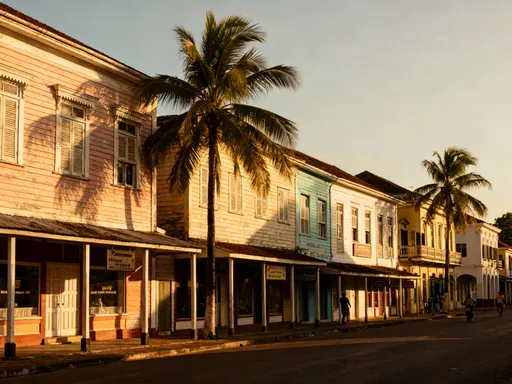
While most tourists flock to the bustling streets of Armenian Street and the iconic street art alleys, there exists another George Town—one that breathes quietly behind louvered windows and weathered wooden doors. These are the lanes less traveled, where heritage shophouses stand not as curated museums but as living homes, passed down through generations of Peranakan families, Indian traders, and early Chinese settlers. In quiet corners like Lebuh Cannon or Lebuh Armenian’s back alleys, the architecture tells stories of migration, adaptation, and resilience. The ornate tile work, intricate wood carvings, and pastel-colored facades are not just aesthetic choices—they are testaments to a multicultural past that continues to shape daily life.
What makes these neighborhoods so special is not their photogenic appeal, but the way history coexists with modernity. A grandmother may sit outside her door shelling peas while a young architect renovates the house next door, carefully preserving the original facade. Children play hopscotch on cobblestones worn smooth by decades of footsteps. These are not staged scenes for visitors; they are ordinary moments in an extraordinary place. Urban preservation in George Town is not about freezing time, but about allowing it to flow—respecting the past while embracing change. The UNESCO World Heritage designation in 2008 helped protect these structures, but it is the residents who keep the soul of the city alive.
To truly see George Town, one must learn the difference between sightseeing and *seeing*. It means putting the camera away and simply observing—the way a tailor leans over his sewing machine in a dimly lit shop, the aroma of aged teak from an open doorway, the soft chime of wind bells in a courtyard garden. These are the details that reveal character. Travelers who take the time to wander without a map, to greet shop owners with a simple "Selamat pagi," often find themselves invited into conversations that lead to unexpected discoveries. A man once showed me his family’s century-old spice ledger, its pages yellowed and fragile, filled with handwritten records of clove and cinnamon shipments from the 1920s. That moment wasn’t listed on any tour itinerary—it happened because I paused, looked up, and smiled.
Temples That Breathe History
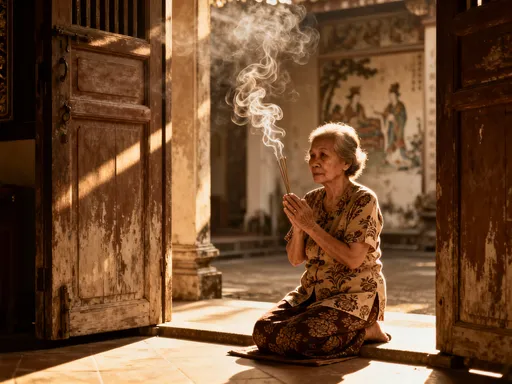
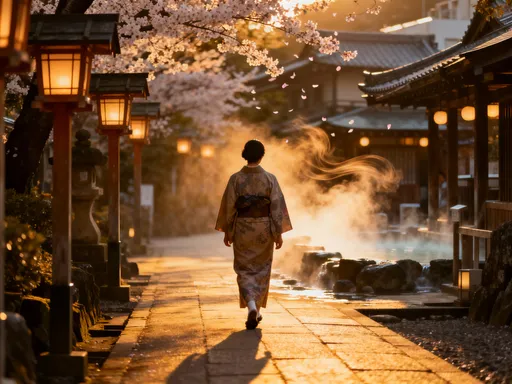
Penang’s spiritual landscape is as rich as its cultural one. Scattered throughout the island are temples that have stood for generations, serving not only as places of worship but as centers of community life. The scent of sandalwood and joss sticks lingers in the air as devotees light incense at dawn, their hands pressed together in quiet devotion. These are not silent relics, but living spaces where faith is practiced daily, where rituals unfold with a rhythm that predates tourism.
The Kek Lok Si Temple, often photographed for its towering statue of the Goddess of Mercy, offers only a glimpse of its deeper significance. Behind the grand courtyards and tourist pathways, monks move through their morning routines—chanting sutras, tending to the lotus ponds, preparing offerings. But beyond the well-known sites, smaller temples like the Dhammikarama Burmese Temple or the Sri Mahamariamman Temple offer more intimate experiences. At the Burmese Temple, the golden chedi glows softly in the morning light, and the sound of Pali chants drifts through the air like a whispered prayer. Here, visitors are welcomed with quiet respect, asked only to remove their shoes and dress modestly.
What many don’t realize is that these temples function as more than spiritual spaces—they are hubs for education, charity, and cultural preservation. Monks teach meditation to locals, temple kitchens prepare meals for the elderly, and festival committees organize events that bring entire neighborhoods together. During Vesak Day, for example, the temples transform into centers of activity, with volunteers decorating floats, preparing vegetarian meals, and rehearsing traditional dances. These preparations are not performances for tourists; they are acts of devotion and community service.
For the thoughtful traveler, visiting a temple is not about taking pictures, but about presence. Sitting quietly in a meditation hall, even for a few minutes, can be a profound experience. One morning, I was invited to join a small group for a guided mindfulness session. No words were exchanged beyond a gentle welcome, yet the sense of peace was tangible. It reminded me that travel is not only about seeing new places, but about opening oneself to new ways of being. The temples of Penang do not demand belief—they simply offer space for reflection, and in that stillness, something deeper is found.
Where Craftsmanship Still Lives
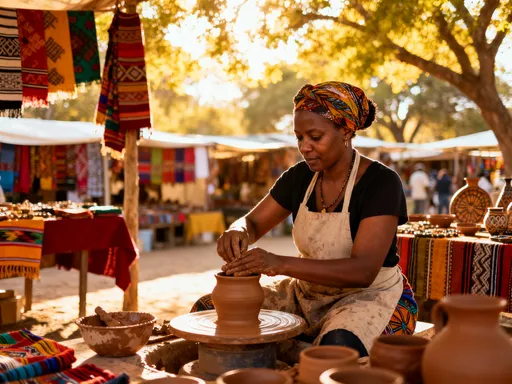
In an age of mass production and digital convenience, Penang holds onto something rare: the persistence of handmade tradition. In narrow workshops tucked between modern cafes and convenience stores, artisans continue to practice crafts that have been passed down for generations. These are not souvenir stalls churning out generic trinkets, but real workplaces where skill, patience, and pride shape every object.
One such place is a small woodcarving studio in Lebuh Acheh, where a third-generation carver named Mr. Lim spends his days restoring temple panels and crafting intricate furniture. His hands, marked by years of chisel work, move with precision over teak and rosewood. Each piece takes weeks, sometimes months, to complete. "People used to say this trade would disappear," he told me, "but there are still those who value what is made by hand." His workshop is filled with half-finished lotus motifs, dragon carvings, and traditional Peranakan cabinets adorned with symbolic patterns. These designs are not merely decorative—they carry meanings tied to prosperity, protection, and family legacy.
Not far away, a sign painter works under a faded awning, hand-lettering shop signs in bold Chinese calligraphy. His brush moves swiftly, each stroke deliberate and confident. "Machines can print, but they cannot feel," he said with a smile. "A hand-painted sign has soul." His work adorns local businesses, from herbal medicine shops to family-run eateries, preserving a visual language that is rapidly vanishing in other cities. Similarly, batik makers in rural Penang villages continue to dye fabric using wax-resist techniques, creating patterns inspired by nature and ancestral stories. These textiles are worn during festivals, gifted at weddings, and cherished as heirlooms.
Supporting these artisans is not just about buying a product—it’s about sustaining a cultural lineage. When travelers choose to visit these workshops, ask questions, and purchase directly, they contribute to the survival of these crafts. Some studios offer short demonstrations or workshops, allowing visitors to try their hand at simple techniques. A woman from Australia once spent an afternoon learning to apply wax to fabric; though her design was imperfect, she left with a deep appreciation for the skill involved. These interactions matter. They remind artisans that their work is seen, valued, and worth continuing.
The Real Taste of Culture
Penang is famous for its food, and rightly so—its hawker centers are legendary. But beyond the celebrated stalls of char kway teow and assam laksa, there is another culinary world: the home kitchen. This is where recipes are not written down, but remembered, where flavors are tied to memory, and where meals are acts of love.
I was once invited into the home of a Peranakan family in Gelugor, where a grandmother prepared kueh chap—a complex dish of braised offal, tofu, and rice noodles in a spiced broth. She moved through the kitchen with quiet confidence, adding ingredients by feel rather than measurement. "My mother taught me this when I was twelve," she said. "It takes all day, but it is worth it." As we sat around the table, she explained how the dish reflected her ancestors’ journey—Chinese ingredients adapted with Malay spices, a fusion born of necessity and ingenuity. Eating it was not just a sensory experience, but a lesson in history.
Neighborhood eateries, often run by families for decades, offer similar depth. A humble stall in Air Itam has served the same version of asam laksa for over fifty years. The owner, a woman in her seventies, still prepares the broth herself, using a blend of tamarind, lemongrass, and dried fish that she refuses to disclose. Regulars come not just for the taste, but for the continuity—it tastes the same as it did when they were children. These places do not advertise; they rely on loyalty and word of mouth.
Food in Penang is more than sustenance—it is identity. Dishes like curry mee, otak-otak, and pulut panggang carry stories of migration, adaptation, and resilience. When travelers take the time to ask about a dish’s origins, to eat slowly, to savor the complexity, they engage in a form of cultural exchange. One home cook told me, "When someone truly enjoys my food, I feel that my family’s story is honored." That connection—between cook and eater, past and present—is what makes Penang’s cuisine so powerful.
Festivals Behind Closed Doors
Festivals in Penang are often seen from a distance—crowds gathering for Thaipusam processions, lion dances during Chinese New Year, the vibrant colors of Deepavali. But the true heart of these celebrations often lies behind closed doors, in family homes and clan halls where traditions are observed with quiet reverence.
I was once invited to a private Thaipusam observance in a Tamil Hindu home. Before dawn, the family gathered to prepare offerings—milk, flowers, and small wooden kavadis. The atmosphere was solemn, focused. The father explained that the festival was not about spectacle, but about fulfilling vows and expressing gratitude. Later, as they walked to the temple, I witnessed the intensity of devotion—the piercing rituals, the chants, the collective energy—but what stayed with me was the quiet preparation at home, the way generations came together in shared purpose.
During Chinese New Year, another family welcomed me into their ancestral hall for the reunion dinner. Red lanterns hung from the ceiling, and the altar was adorned with photos of ancestors, fresh fruit, and incense. The meal was elaborate, but the most meaningful moment came when the elders distributed ang pows to the children, whispering blessings in Hokkien. "We do this not for luck," one woman told me, "but to remember who we are and where we come from." These traditions are not performed for outsiders; they are acts of continuity, binding families across time.
Deepavali, the Festival of Lights, is equally intimate in private settings. In a Malayalee household, I watched as women decorated the doorway with intricate kolam designs made from colored rice flour. The house was filled with the scent of banana leaf parcels being steamed—dishes passed down from grandmother to daughter. "We light the oil lamps to welcome prosperity," a young girl explained, "but also to remind us to be kind, to share." These values—gratitude, family, generosity—are woven into every ritual.
Being invited into these moments is a privilege, not a right. It requires trust, respect, and often, long-term relationships. But for those who are welcomed, the experience is transformative. It shifts the understanding of culture from something observed to something felt.
How to Find These Moments Yourself
Authentic cultural experiences in Penang are not found in guidebooks or on tourist apps. They emerge through presence, patience, and humility. The first step is to slow down. Rushing from one landmark to another ensures only surface-level encounters. Instead, choose a neighborhood and spend a full day wandering, returning to the same streets at different times. Notice how the light changes, how the sounds shift, how people move through their routines.
Language matters. Learning a few phrases in Malay or Hokkien—"Terima kasih" (thank you), "Boleh saya tengok?" (May I look?)—goes a long way. A simple greeting can open a conversation. Smiles, eye contact, and respectful body language are universal. Dress modestly when visiting temples or homes. Remove your shoes when asked. These small gestures signal that you are not just passing through, but seeking connection.
Ask permission before taking photos, especially of people. Many locals are happy to pose if asked politely, but snapping pictures without consent can feel invasive. Instead, engage first—ask about their work, their family, their favorite dish. Listen more than you speak. Often, the most meaningful exchanges happen in broken English and gestures, but the intent is clear.
Choose local guides over large tour groups. Independent guides, especially those born and raised in Penang, often have personal connections to communities and can arrange visits to workshops, homes, or festivals that are not part of commercial itineraries. They can also help navigate cultural nuances, ensuring that your presence is welcome, not disruptive.
Timing is also key. Visit temples early in the morning or late in the afternoon, when crowds are thinner and the atmosphere is more contemplative. Attend festivals not just on the main day, but in the days leading up to them, when preparations are underway. A quiet walk through a neighborhood during Deepavali decorating season can be more revealing than the final celebration.
Finally, be open to the unexpected. Some of the best moments happen by chance—a shared meal offered by a stranger, an invitation to watch a family ritual, a conversation with an elder who wants to share stories. These are not experiences to be forced, but to be received with gratitude.
Why Authenticity Matters in Travel
In an age of Instagrammable destinations and checklist tourism, the value of authenticity can be overlooked. Yet, it is precisely these unscripted, unadvertised moments that transform travel from a series of sights into a meaningful journey. When we engage with a culture on its own terms—not as consumers, but as respectful guests—we gain more than memories. We gain understanding.
Authenticity matters because it preserves the dignity of the places we visit. It resists the flattening of culture into stereotypes or souvenirs. It honors the people who live these traditions every day, not as performers, but as individuals with histories, values, and lives beyond tourism. When travelers seek depth, they help sustain the very things they come to admire—craftsmanship, cuisine, spiritual practices, family bonds.
For the traveler, authenticity fosters humility. It reminds us that we do not have all the answers, that there is wisdom in ways of life different from our own. It cultivates curiosity, not judgment. A meal shared in a grandmother’s kitchen, a quiet moment in a temple, a conversation with an artisan—these experiences do not just show us a new place. They change how we see the world, and ourselves.
Penang’s hidden corners are not secrets to be hoarded, but invitations to connect. They ask us to travel not with cameras first, but with open hearts. They remind us that the most beautiful things are often the quietest—the steam from a pot, the sound of a chisel on wood, the murmur of a morning prayer. To witness these moments is a gift. To honor them is a responsibility. And in that honoring, we find not just the soul of a place, but the best parts of ourselves.