You Won’t Believe What This Tiny Town Does for Art
Stratford-upon-Avon isn’t just Shakespeare’s birthplace—it’s a living canvas where history and creativity collide. I was blown away by how much art thrives in this small English town. From open-air performances to hidden galleries, every corner pulses with inspiration. If you think it’s all about the Bard, think again. This is where culture doesn’t just live—it performs, paints, and breathes. Nestled along the winding Avon River, Stratford blends centuries-old charm with a dynamic, ever-evolving artistic spirit. What makes this place extraordinary is not merely its past, but how it reimagines that legacy every day through music, theatre, visual arts, and community-driven creativity. It’s a destination that invites you to look beyond the guidebook and feel the rhythm of art in motion.
The Heartbeat of Art in a Historic Town
Stratford-upon-Avon’s identity is deeply rooted in history, yet it refuses to be confined by it. The town’s Tudor-style buildings, timber-framed facades, and cobbled lanes are not relics frozen in time—they are backdrops for a living, breathing cultural ecosystem. Here, heritage doesn’t compete with modernity; it nurtures it. The very streets where William Shakespeare once walked now host contemporary art installations, poetry slams, and experimental theatre. This seamless integration of old and new creates a unique atmosphere where visitors don’t just observe culture—they become part of it.
What sets Stratford apart from other historic towns is its unwavering commitment to making art accessible. Unlike cities where galleries and performances can feel exclusive or intimidating, Stratford maintains an open-door philosophy. Art isn’t tucked away behind velvet ropes—it spills into market squares, appears on garden walls, and unfolds in converted barns and church halls. The town’s architecture itself becomes a medium, with centuries-old buildings repurposed as creative spaces. The Holy Trinity Church, where Shakespeare is buried, stands not only as a place of worship but also as a quiet sanctuary where visitors pause to reflect on the enduring power of words and beauty.
This fusion of history and artistry isn’t accidental. It’s cultivated through long-term investment in cultural programming, local partnerships, and a shared belief that creativity is essential to community life. Schools collaborate with theatres, cafes display local artwork, and even shopfronts change with the seasons to reflect artistic themes. The result is a town where culture isn’t something you visit—it’s something you live. For families, couples, and solo travelers alike, Stratford offers a refreshing reminder that art doesn’t require grand institutions to thrive; it only needs space, support, and soul.
Shakespeare’s Legacy as a Living Art Form
At the heart of Stratford’s artistic pulse lies the Royal Shakespeare Theatre, a modern architectural marvel perched on the banks of the River Avon. This is not a museum piece—it’s a working theatre where Shakespeare’s plays are reborn night after night with fresh energy and relevance. Operated by the Royal Shakespeare Company (RSC), the venue is dedicated to keeping the Bard’s work alive through bold interpretations, innovative staging, and inclusive casting. Whether you’re seeing *Hamlet* for the first time or the tenth, the RSC ensures each performance feels immediate, emotional, and deeply human.
The experience of attending a play here goes beyond watching actors on a stage. From the moment you step inside, the design of the theatre enhances the drama. The thrust stage brings performers closer to the audience, creating an intimacy that makes soliloquies feel like private confessions. The acoustics are finely tuned, allowing every whisper and sword clash to resonate clearly. Costumes often blend period elements with modern touches—imagine a Juliet in a tailored blazer or a Macbeth in military fatigues—reminding us that these stories transcend time. The lighting and sound design further elevate the production, transforming the theatre into a world unto itself.
For visitors planning a trip, securing tickets in advance is highly recommended, especially during peak seasons like summer and the winter holidays. The RSC offers a range of pricing options, including affordable seats for under-25s and day-of discounts for standby tickets. Best views can be found in the Stalls and Circle sections, though even upper tiers provide excellent sightlines thanks to the theatre’s thoughtful layout. Evening performances typically begin at 7:30 PM, while matinees are often held on Wednesdays and weekends. Attending a pre-show talk—free with ticket purchase—adds depth to the experience, offering insights from directors, actors, or scholars about the production’s vision.
What truly distinguishes the RSC is its dedication to reinvention. Rather than treating Shakespeare as untouchable canon, the company embraces reinterpretation—setting *The Tempest* in a refugee camp or casting women in traditionally male roles. These choices spark conversation and make the plays feel urgent and relatable. For families, the RSC also hosts youth performances and interactive workshops, helping younger audiences connect with the material in meaningful ways. In Stratford, Shakespeare isn’t a monument to the past—he’s a living voice in the present.
Beyond the Stage: Hidden Art Spaces You Gotta See
While the Royal Shakespeare Theatre draws international attention, some of Stratford’s most compelling art exists off the beaten path. The Stratford Art House, a community-focused venue on Sheep Street, is a hub for independent creativity. Housed in a converted cinema, it features a cinema screening independent and foreign films, a gallery space for rotating exhibitions, and a cozy café that doubles as a poetry reading lounge. Local artists, photographers, and sculptors regularly showcase their work here, often exploring themes tied to the region’s landscape, history, and identity.
What makes the Art House special is its intimacy. Unlike large galleries where visitors can feel like outsiders, this space encourages conversation. Artists often attend opening nights, welcoming feedback and sharing stories behind their pieces. Exhibitions change every four to six weeks, ensuring there’s always something new to discover. Past shows have included abstract interpretations of Shakespearean sonnets, photo essays on rural life in Warwickshire, and mixed-media installations inspired by the changing seasons. The venue also hosts life-drawing classes, film discussions, and live music nights, reinforcing its role as a cultural crossroads.
Equally worth exploring are the town’s pop-up galleries and studio tours. During events like the Stratford Art Festival each autumn, private studios open to the public, allowing visitors to watch artists at work, purchase original pieces, and even try their hand at painting or printmaking. These informal spaces thrive on spontaneity and connection. You might stumble upon a watercolorist capturing the morning light on the river or a potter demonstrating hand-thrown ceramics in a garden shed. Such encounters offer a rare glimpse into the creative process—unpolished, authentic, and deeply human.
Timing your visit around gallery openings or artist talks can greatly enhance the experience. Many small venues host Friday evening receptions, complete with wine, music, and lively conversation. Checking the town’s event calendar before arrival helps ensure you don’t miss these fleeting opportunities. These grassroots spaces may not have the budget of national institutions, but they possess something more valuable: heart. They remind us that art doesn’t need grandeur to matter—it only needs to be shared.
Street Art and Public Expression in a Classic Setting
One of the most delightful surprises in Stratford is how contemporary art weaves through its historic fabric. While the town proudly preserves its Elizabethan architecture, it also embraces modern expression in unexpected ways. Murals adorn alleyways, sculptures nestle in green spaces, and performance artists bring whimsy to market days. This blend of old and new creates a dynamic visual dialogue—one where 500-year-old buildings stand as silent witnesses to today’s creativity.
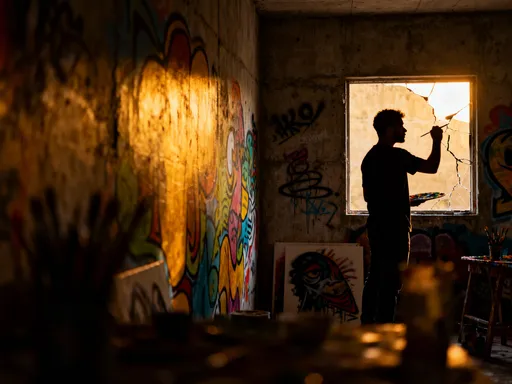
Take, for example, the mural on the side of a bookshop near Henley Street. Painted by a local artist, it depicts a cascade of open books transforming into birds in flight—a poetic nod to Shakespeare’s enduring influence. Another striking piece, located behind the Town Hall, uses trompe-l’oeil techniques to make a flat wall appear as a crumbling classical theatre, complete with columns and stage curtains. These works don’t clash with their surroundings; instead, they deepen the sense of place, adding layers of meaning to familiar streets.
Seasonal festivals further transform the town into an open-air gallery. The Stratford Outdoor Arts Festival, held each summer, brings street performers, musicians, and circus acts to the streets and parks. You might encounter a silent clown balancing on stilts, a dancer interpreting sonnets through movement, or a mobile puppet theatre performing abridged versions of *A Midsummer Night’s Dream*. These events are free and family-friendly, drawing locals and tourists alike into shared moments of wonder.
The town council supports public art through grants and partnerships with arts organizations, ensuring that creativity remains visible and accessible. Sculptures are often temporary, rotating every year or two, which keeps the environment fresh and engaging. One recent installation, a bronze bench shaped like intertwined quills, invites visitors to sit and reflect—literally and figuratively. For those interested in exploring at their own pace, self-guided art walks are available through the tourist office, complete with maps and QR codes linking to artist interviews and behind-the-scenes videos. These walks highlight over twenty public art pieces, making it easy to turn a casual stroll into a curated cultural journey.
Creative Workshops and Hands-On Cultural Experiences
For travelers who want to do more than observe, Stratford offers a growing number of hands-on artistic experiences. These workshops go beyond souvenirs—they invite participants to connect with the town’s creative spirit through direct engagement. Whether you’ve never picked up a paintbrush or have years of experience, there’s something meaningful to discover.
Pottery classes are among the most popular offerings. Held in small studios on the outskirts of town, these sessions guide participants through the basics of wheel-throwing and hand-building. Led by practicing ceramicists, the classes emphasize mindfulness and tactile pleasure. There’s something deeply satisfying about shaping clay with your hands, feeling its cool weight and malleability. Finished pieces can be glazed and fired, then shipped home as lasting mementos. These workshops are especially welcoming to beginners and families, with many offering child-friendly sessions.
Theatre lovers can join workshops hosted by the RSC’s education team. These range from introductory acting courses to voice and movement sessions inspired by Shakespearean text. No prior experience is needed—just a willingness to explore. Participants might spend an hour learning how to project emotion through iambic pentameter or practice stage combat with foam swords. These sessions are designed to be playful and empowering, helping people of all ages build confidence and connection. For children, there are summer camps where they rehearse and perform short scenes, often culminating in a performance for family and friends.
For the literary-minded, poetry readings and writing circles are held regularly at local bookshops and cafes. Some focus on Shakespearean language, helping attendees understand the rhythm and imagery of his work. Others encourage original writing, with prompts inspired by the town’s scenery or history. These gatherings foster a sense of community, where strangers bond over shared lines and personal stories. Booking in advance is usually required, and most sessions last between one and two hours. Whether you’re crafting your first sonnet or simply enjoying the sound of spoken word, these experiences deepen your appreciation for Stratford’s living literary culture.
Why Timing and Atmosphere Make All the Difference
The rhythm of life in Stratford shifts dramatically with the seasons, and knowing when to visit can transform your experience. Spring, from March to May, brings mild weather and blooming gardens. The Royal Shakespeare Theatre reopens after winter renovations, and new productions debut. This is an ideal time for those who want to enjoy performances without peak-season crowds. The town’s parks, especially Bancroft Gardens, become lively with picnickers and performers, and the riverbanks are lined with daffodils and cherry blossoms.
Summer, particularly June through August, is the busiest period. The Stratford Festival season reaches its peak, with multiple plays running in repertory. Outdoor events like the Outdoor Arts Festival and riverside concerts draw large audiences. While the energy is electric, accommodations book up months in advance, and ticket prices rise. Families often plan summer visits to align with school holidays, making it a vibrant but crowded time. Early mornings and weekday visits help avoid the thickest crowds.
Autumn offers a quieter, more reflective atmosphere. September and October see the Stratford Art Festival and a series of gallery exhibitions that highlight local talent. The changing foliage along the Avon adds a golden glow to walks, and the cooler air makes exploring more comfortable. This season is perfect for travelers interested in visual arts and photography, as natural beauty and cultural programming align.
Winter, from November to February, has a cozy charm. While some outdoor events pause, the town embraces indoor culture. The Royal Shakespeare Theatre presents holiday-themed performances, including *A Christmas Carol* and festive adaptations of Shakespeare’s comedies. Shops and cafes are decorated with wreaths and candles, and the Christmas market brings warmth and cheer. Though colder, winter offers lower prices, shorter lines, and a more intimate experience. For those seeking solitude and reflection, a December visit—after the holiday rush—can be profoundly peaceful.
How to Experience Stratford Like a True Culture Lover
To truly appreciate Stratford, it’s important to balance the iconic with the intimate. A one-day itinerary might begin with a morning tour of Shakespeare’s Birthplace, followed by coffee at a café that displays local artwork. By midday, visit the Stratford Art House or catch a matinee at the Royal Shakespeare Theatre. Afternoon could be spent on a self-guided art walk, pausing at murals and sculptures, then ending with dinner at a riverside restaurant known for its literary-themed menu.
For a weekend trip, consider extending your exploration beyond the town center. The village of Shottery, just a 15-minute walk away, is home to Anne Hathaway’s Cottage, set in lush gardens that inspire painters and photographers. Welford-on-Avon, a short drive south, offers quiet lanes and a 12th-century church often used for chamber music concerts. These quieter destinations provide contrast and space for reflection, enriching the overall journey.
Equally important is adopting the right mindset. Rushing through attractions diminishes the experience. Instead, slow down. Sit on a bench by the river and watch the swans glide by. Chat with a local artist setting up a sketchpad. Attend a poetry reading just because it sounds interesting. Let the town’s creative energy seep in gradually. Culture isn’t just about seeing—it’s about feeling, absorbing, and being changed.
Bringing children? Look for family-friendly workshops, interactive exhibits, and shorter performances designed for younger attention spans. Many venues offer activity sheets or scavenger hunts that turn exploration into play. For couples, a sunset walk along the Avon, followed by a quiet dinner in a historic inn, creates lasting memories. Solo travelers often find connection in group classes or community events, where shared curiosity builds instant camaraderie.
Ultimately, experiencing Stratford like a culture lover means embracing curiosity, openness, and presence. It’s not about checking off landmarks—it’s about letting the town’s artistic soul touch your own.
Stratford-upon-Avon proves that great art doesn’t need big cities. It grows where passion meets place. Whether you're watching a sonnet come alive or chatting with a local painter, this town reminds us that culture is meant to be felt, not just seen. Let it inspire your next journey—one brushstroke, line, or note at a time.