You Won’t Believe What Lies Beyond the Trail in Yaoundé
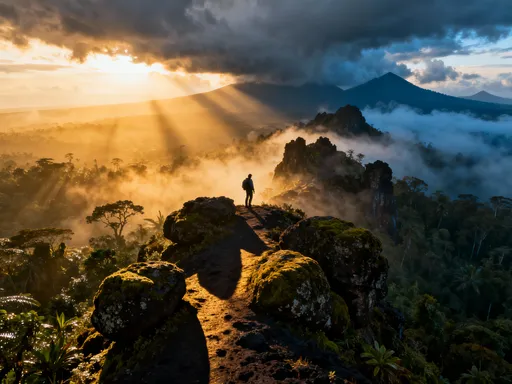
Tucked in the heart of Central Africa, Yaoundé is more than just Cameroon’s quiet capital—it’s a gateway to wild, untamed landscapes. I laced up my boots expecting city hills, but what I found was mind-blowing: volcanic ridges, lush valleys, and ancient rock formations hiding in plain sight. This isn’t your typical tourist path—it’s real, raw, and breathtaking. If you love hiking through places few have seen, you gotta check this out. Far from the political corridors and administrative buzz, Yaoundé cradles a natural soul that pulses with geological wonder and biological richness. Few travelers venture beyond the paved roads, yet those who do are rewarded with trails that wind through forests older than memory, where silence speaks louder than noise and every footstep uncovers a new layer of Earth’s story. This is not just hiking—it’s discovery in its purest form.
Discovering Yaoundé’s Hidden Natural Soul
When most people think of Yaoundé, they picture government buildings, red-tiled rooftops, and the steady rhythm of city life in Cameroon’s inland capital. But just beyond the urban edges, where the paved roads give way to dirt paths and the air grows thick with the scent of damp earth and wild herbs, another world begins. This is a landscape shaped by time, fire, and water—an ecosystem where nature has been quietly writing its own history for millions of years. While the city is often overshadowed by Douala’s port energy or the mountain grandeur of Mount Cameroon, Yaoundé holds a quieter, deeper magic: its proximity to some of Central Africa’s most intriguing geological formations.
What makes this region remarkable is not just its greenery, but the complex terrain beneath it. The South Cameroon Plateau, on which Yaoundé rests, is a mosaic of ancient rock layers, uplifted by tectonic shifts and carved by centuries of rainfall. These processes have created a terrain rich in elevation changes, hidden valleys, and exposed bedrock that tell stories older than human language. Unlike the flat expanses of northern Cameroon or the coastal plains, this area is a playground for geology enthusiasts and nature lovers alike. And while maps may show roads and neighborhoods, they rarely capture the intricate network of footpaths that lead into forested ravines, across seasonal streams, and up slopes where mist clings to the trees like morning thoughts.
Hiking here is not merely exercise—it’s a form of revelation. Trails often begin unassumingly, perhaps behind a local market or at the edge of a residential neighborhood, then quickly plunge into dense vegetation where sunlight filters through in golden patches. These paths, worn by generations of local farmers and forest dwellers, offer access to places untouched by mass tourism. There’s a sense of privilege in walking them, knowing that you’re seeing something few outsiders ever witness. The silence is profound, broken only by the distant call of a hornbill or the rustle of a small mammal in the undergrowth. It’s in these moments that Yaoundé transforms from a capital city into a living, breathing wilderness.
The Unique Terrain That Defines the Region
Yaoundé’s landscape is defined by its position on the South Cameroon Plateau, a vast geological formation that stretches across much of the country’s interior. This plateau is not flat, as the name might suggest, but a rolling expanse of hills, valleys, and forested ridges shaped by millions of years of tectonic activity and erosion. The region sits at an average elevation of around 750 meters (2,460 feet), contributing to its relatively mild climate compared to the hotter, more humid coastal zones. But it’s not just the altitude that makes this terrain unique—it’s the underlying geology.
The plateau is composed primarily of Precambrian metamorphic rocks, some of the oldest on Earth, dating back over 600 million years. These ancient formations have been uplifted, tilted, and fractured by tectonic forces, creating a topography that is both rugged and intricate. Over time, heavy rainfall—especially during the long rainy season from March to November—has carved deep gullies, exposed rock faces, and formed natural aquifers that feed streams and waterfalls hidden in the forest. This interplay between rock and water has given rise to a landscape that is constantly evolving, where every hike reveals new textures and formations.
One of the most fascinating aspects of this terrain is the way elevation changes create microclimates. As you climb even a few hundred meters, temperature and humidity can shift noticeably, supporting different plant communities. Lower slopes are dominated by dense tropical rainforest with towering canopy trees, lianas, and epiphytes. Higher elevations, particularly on ridges and hilltops, often feature patches of montane forest and grassland, where cooler air and thinner soil favor hardy shrubs and grasses. These microclimates also influence wildlife distribution, with certain bird species, insects, and amphibians found only in specific altitude bands.
The result is a region of extraordinary ecological diversity packed into a relatively small area. A single day’s hike can take you through multiple ecosystems, each with its own character and challenges. The soil, rich in iron and minerals, gives the ground a reddish hue, especially visible after rain when the trails glisten like rusted metal. This mineral content also supports a unique array of plant life, including endemic species adapted to the local conditions. For hikers, this means not only stunning scenery but also a chance to witness nature’s adaptability in action.
Top Hiking Zones with Remarkable Geological Features
Among the most accessible and rewarding hiking destinations near Yaoundé is Mont Fébé, a forested mountain just a short drive from the city center. Rising to about 1,200 meters (3,937 feet), Mont Fébé offers panoramic views of Yaoundé and the surrounding plateau. The trail winds through dense secondary forest, where giant ferns and moss-covered trees create an almost prehistoric atmosphere. What makes this site geologically significant is the presence of basaltic rock formations—remnants of ancient volcanic activity that once shaped this region. These dark, columnar rocks stand in stark contrast to the red soil and green foliage, offering hikers a tangible connection to the Earth’s fiery past.
Another must-visit destination is Mefou National Park, a protected area managed by the African Conservation Foundation. While best known for its primate sanctuary, the park also features a network of well-maintained trails that follow the contours of the Mefou River. The river has carved a deep valley through layers of sedimentary rock, exposing strata that reveal the region’s geological history in vivid cross-sections. Hikers can observe ripple marks in the stone, fossilized plant impressions, and evidence of ancient riverbeds—all clues to a landscape that was once submerged or shaped by different climatic conditions. The trails here are relatively gentle, making them ideal for families or those new to hiking, yet they still offer moments of awe, such as crossing small wooden bridges over clear, bubbling streams.
For more adventurous explorers, the ridges near Minkom, located about 30 kilometers northeast of Yaoundé, provide a more remote and rugged experience. This area is less frequented by tourists, with trails that follow natural ridgelines through open woodland and patches of grassland. The soil here is notably rich in iron oxide, giving the ground a deep rust color and supporting hardy vegetation adapted to poor-nutrient conditions. Exposed bedrock formations are common, with fractured surfaces that reveal the crystalline structure of the underlying metamorphic rock. These ridges offer some of the best sunrise views in the region, with the morning light spreading across the valley like liquid gold. Because these trails are not officially marked, hiking with a local guide is strongly recommended to ensure safety and respect for nearby communities.
What to Expect on the Trail: A Hiker’s Reality Check
While the natural beauty of Yaoundé’s hiking trails is undeniable, it’s important to approach them with realistic expectations. The terrain can be challenging, especially during the rainy season when trails become slick with mud and visibility under the dense canopy is limited. Most paths are not paved or maintained by official park services, meaning hikers must navigate roots, loose stones, and occasional water crossings. The humidity, often exceeding 80%, adds another layer of difficulty, making even moderate climbs feel strenuous. Proper preparation is not just advisable—it’s essential.
One of the most striking aspects of hiking in this region is the abundance of life at every level. The forest floor teems with insects, fungi, and decomposing plant matter, all part of a highly efficient nutrient cycle. Above, the canopy shelters a variety of birds, including turacos, kingfishers, and raptors that soar on thermal updrafts. Primate calls—especially from mona monkeys and putty-nosed monkeys—are a common soundtrack, echoing through the trees in the early morning. With luck, hikers may spot colobus monkeys leaping between branches or a shy duiker darting through the underbrush. The plant life is equally impressive: giant tree ferns, orchids clinging to bark, and carnivorous pitcher plants hidden in shaded clearings.
Weather plays a decisive role in the hiking experience. The region has two main seasons: a long rainy season from March to November and a shorter dry season from December to February. The dry season is generally the best time to hike, as trails are firmer and skies are clearer. However, even then, afternoon showers are common, so waterproof gear is a must. Mornings are typically the most pleasant, with cooler temperatures and less humidity. Hikers should aim to start early, allowing enough time to complete their route before any potential storms roll in. It’s also wise to check local weather forecasts and consult with guides who understand seasonal patterns.
Smart Preparation: Gearing Up for Yaoundé’s Terrain
Success on Yaoundé’s trails begins long before the first step. Proper gear can make the difference between an enjoyable adventure and a miserable ordeal. The most critical item is footwear: sturdy, waterproof hiking boots with excellent grip are essential for navigating muddy, uneven terrain. Lightweight trail runners may seem comfortable, but they offer little protection against sharp rocks, thorns, or unexpected puddles. Moisture-wicking clothing is equally important—cotton retains sweat and can lead to chafing or discomfort, while synthetic or merino wool fabrics help regulate body temperature and dry quickly.
Navigation is another key consideration. Unlike well-marked national parks in other countries, many of Yaoundé’s trails lack signage or official maps. Paper maps are often outdated or inaccurate, making GPS devices or smartphone apps with offline capabilities far more reliable. Apps like Gaia GPS or Maps.me allow hikers to download topographic maps and track their route in real time, even without cellular service. However, batteries drain quickly in humid conditions, so carrying a portable charger is advisable. Even with technology, having a local guide is one of the smartest decisions a hiker can make. Guides not only ensure you stay on the correct path but also provide insights into the flora, fauna, and cultural significance of the area.
Hydration and nutrition are crucial. The combination of heat, humidity, and physical exertion increases the risk of dehydration, so carrying at least two liters of water per person is recommended. Water purification tablets or a portable filter are wise investments, especially if you plan to refill from natural sources. Snacks should be high in energy—nuts, dried fruit, energy bars—and packed in waterproof containers. It’s also thoughtful to bring a small amount of food or water to share with your guide, as a gesture of appreciation. Finally, a basic first-aid kit, insect repellent, and a lightweight rain jacket should never be left behind.
Sustainable Exploration: Respecting the Land and Local Culture
As more travelers discover the natural wonders around Yaoundé, the importance of sustainable hiking practices cannot be overstated. These ecosystems are fragile, shaped by slow natural processes that can be easily disrupted by human activity. One of the most effective ways to protect the environment is to stay on established trails. Venturing off-path may seem harmless, but it can lead to soil erosion, trampling of rare plants, and disturbance of animal habitats. The principle of Leave No Trace applies fully here: pack out all trash, avoid picking plants or disturbing wildlife, and refrain from carving into trees or rocks.
Equally important is respecting the local communities that live near these hiking areas. Many trails pass through or near villages where agriculture and forest use are part of daily life. Hikers should greet residents politely, ask permission before entering private land, and avoid loud behavior that might disturb the peace. Some areas, such as Mefou National Park, are managed in partnership with local organizations, and entrance fees contribute directly to conservation and community development. Choosing guided tours from local providers not only enhances the experience but also ensures that tourism benefits the people who call this region home.
Finally, hikers should be mindful of cultural norms. In many rural areas, modest clothing is appreciated, and public displays of affection are not customary. Carrying a small notebook to learn basic French or local phrases—such as “Bonjour” or “Merci”—can go a long way in building goodwill. By approaching the landscape with humility and care, travelers help preserve its beauty for future generations while deepening their own connection to the place.
Why This Journey Changes How You See “Hidden” Destinations
Hiking the trails beyond Yaoundé does more than provide physical exercise or scenic views—it shifts your perspective. What begins as a simple desire to escape the city evolves into a deeper understanding of how nature and human life intersect. The volcanic ridges, ancient rocks, and whispering forests are not just backdrops; they are active participants in a story that continues to unfold. In a world where so many destinations are overdeveloped or overcrowded, Yaoundé offers something rare: authenticity. There are no souvenir shops at the trailhead, no crowds jostling for photos, no artificial attractions. Just the land, as it has been for millennia.
This kind of travel—slow, immersive, and intentional—invites reflection. It challenges the notion that adventure must mean extreme sports or far-flung islands. Sometimes, wonder is found just beyond the edge of the familiar, in places that don’t advertise themselves but reveal themselves to those who walk with attention. Yaoundé’s trails teach patience, presence, and respect. They remind us that beauty doesn’t always shout; sometimes, it waits quietly under a canopy of leaves, asking only to be noticed.
For women in their 30s to 50s—many of whom balance family, work, and personal well-being—this kind of journey offers more than escape. It offers renewal. The rhythm of walking, the sound of birds, the feel of earth underfoot—these are small joys that restore a sense of calm and clarity. And because these hikes can be tailored to different fitness levels, they are accessible to a wide range of travelers. Whether it’s a gentle stroll through Mefou or a challenging climb up Mont Fébé, the experience is deeply personal and profoundly grounding.
In the end, Yaoundé’s hidden trails are not just about geography. They are about rediscovery—of nature, of self, of the quiet power of simply being present. They prove that some of the world’s most remarkable places are not on every bucket list, but they deserve to be. So lace up your boots, pack your water, and step off the map. What lies beyond the trail is not just scenery—it’s a quiet revelation, waiting for you to find it.