You Won't Believe These Secret Spots in Lucerne – A Local's Real Guide to the Best Views
Imagine standing where the Alps kiss the sky, with emerald waters mirroring snow-capped peaks and storybook bridges winding through cobbled streets. Lucerne isn’t just picturesque—it’s alive with hidden vantage points most tourists miss. I’ve wandered every corner, from sunrise hikes to lantern-lit alleys, and trust me, the real magic isn’t on postcards. It’s in the quiet moments, the unexpected turns, and the views that stop your breath. This is not just a destination; it’s a sensory journey where nature and heritage blend in perfect harmony. For thoughtful travelers—especially those seeking beauty, tranquility, and authenticity—Lucerne offers a rare gift: the chance to see the world anew, one breathtaking view at a time.
Why Lucerne? More Than Just a Pretty Postcard
Lucerne stands apart as one of Switzerland’s most balanced and rewarding destinations. Nestled at the northern tip of Lake Lucerne, surrounded by forested mountains and crisp alpine air, the city blends urban elegance with wilderness access in a way few places can match. Unlike remote mountain villages that require long journeys, Lucerne is easily reachable by train from Zurich or Geneva in under two hours, making it ideal for families and travelers who value both comfort and adventure. Its compact center is walkable, safe, and rich in history, yet just minutes from cable cars that whisk you into high-altitude landscapes.
What truly sets Lucerne apart is its year-round appeal. In winter, the city sparkles under soft snowfall, with frost-tipped rooftops and steaming mugs of Swiss chocolate warming visitors by the lakeside. Spring brings blooming chestnut trees and gentle light that softens the mountains. Summer offers long days perfect for boat excursions and mountain hikes, while autumn drapes the region in golden hues, reflecting vividly on the still waters of the lake. This seasonal rhythm ensures that no two visits are ever the same.
Beyond scenery, Lucerne offers a deeply human experience. Locals take pride in preserving traditions—from music festivals to artisan markets—without turning their city into a tourist stage. The pace of life remains calm, respectful of nature and community. For the discerning traveler, especially women in their 30s to 50s who appreciate thoughtful travel, cultural depth, and moments of personal reflection, Lucerne is more than scenic. It’s soul-nourishing. It invites you not just to look, but to feel. And when you know where to go, the city reveals views that feel like private gifts from the mountains themselves.
The Iconic Must-See: Chapel Bridge & Lake Lucerne at Golden Hour
No image of Lucerne is more iconic than the Chapel Bridge stretching across the Reuss River, its red wooden roof a vivid contrast against the blue sky. Built in the 14th century, it’s one of Europe’s oldest covered bridges and a symbol of the city’s enduring charm. Yet most visitors see it crowded, sun-bleached, and photographed from the same few angles. To experience its true beauty, timing and perspective are everything.
The best moment to visit is during golden hour—roughly 30 to 45 minutes before sunset—when the low sunlight bathes the bridge in warm, honeyed light. At this time, the wooden beams glow, and the water beneath becomes a mirror, doubling the visual impact. Arriving early also means fewer crowds, allowing for peaceful contemplation and unobstructed photos. For a unique vantage, stand just downstream on the Kasernenplatz side, where the river’s gentle current enhances reflections without distortion.
For a higher perspective, walk to the nearby Hotel Schweizerhof or the lakeside promenade near the Lucerne Culture and Congress Centre (KKL). From these points, you can capture the bridge in context—with the lake, mountains, and city skyline framing it naturally. Another secret? Take a short evening boat cruise as the lights begin to flicker on. From the water, the bridge appears almost magical, its illuminated interior glowing like a lantern. These moments—quiet, golden, and deeply atmospheric—are what transform a postcard into a memory.
Up the Mountain: Pilatus for the Ultimate Panoramic Vista
Rising over 2,100 meters above sea level, Mount Pilatus delivers one of the most dramatic panoramic views in Central Switzerland. On a clear day, you can see as far as the Black Forest in Germany and the snow-dusted peaks of the Bernese Alps. The mountain’s rugged silhouette has inspired legends for centuries, and today, it offers modern travelers a seamless blend of engineering marvels and natural grandeur.
There are three main ways to ascend: the cogwheel railway from Alpnachstad, the cable car from Kriens, or hiking one of the marked trails. The cogwheel train—the steepest in the world—is a favorite for its nostalgic charm and smooth ride through alpine meadows and pine forests. It operates seasonally from May to November, making early summer and late autumn ideal for mild weather and fewer tourists. The cable car from Kriens runs year-round and offers faster access, especially convenient for those short on time.
For the best experience, aim to arrive at the summit by 9:00 a.m. Morning air is typically clearer, with minimal fog and fewer clouds obscuring the view. By midday, rising heat can create haze, and afternoon thunderstorms are common in summer. Dress in layers—temperatures at the top can be 15–20°C cooler than in the city—and bring a windproof jacket. The viewing platforms at Pilatus Kulm offer 360-degree vistas, but for a quieter moment, walk a short trail toward the dragon’s eye viewpoint, a natural rock formation said to resemble a watchful guardian of the mountain.
Families will appreciate the on-site restaurant and the short, stroller-friendly paths around the summit. There’s also a small nature exhibit explaining the region’s geology and flora. Whether you’re sipping tea with a view or standing in awe at the edge of a cliff, Pilatus offers a sense of elevation that’s both physical and emotional. It’s a place where the world seems to stretch endlessly, reminding you how small—and how connected—we truly are.
Hidden Heights: The Quiet Trail to Uetliberg’s Overlook
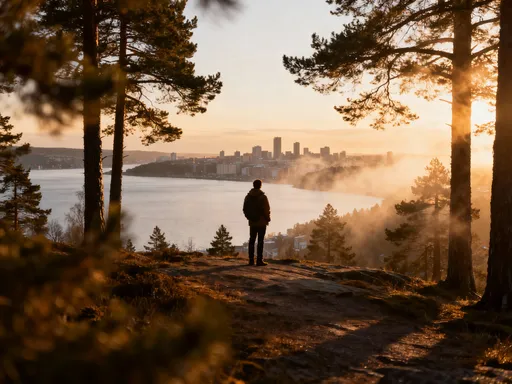
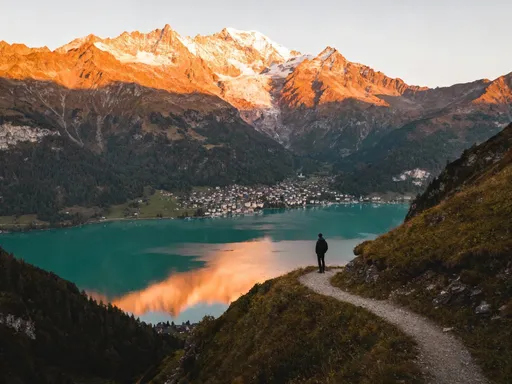
Away from the well-trodden paths of Pilatus and Rigi, a lesser-known gem awaits: the trail to Uetliberg’s overlook. While not as towering as its neighbors, this gentle ascent rewards hikers with one of the most serene panoramas of Lake Lucerne and the city’s red-tiled rooftops. The trail begins near the small village of Kriens, following a forested path that winds upward through fragrant pines and moss-covered stones.
The hike takes about 45 minutes at a moderate pace, with a steady but manageable incline. The path is well-marked, paved in sections, and suitable for most fitness levels—ideal for travelers who want a taste of alpine solitude without technical difficulty. Along the way, wooden signs point out native plants and bird species, adding an educational touch to the journey. In spring, wildflowers bloom in bursts of purple and yellow; in autumn, the forest floor turns golden, crunching softly underfoot.
At the top, a wooden viewing platform opens to an unobstructed vista. On clear days, the entire sweep of Lake Lucerne glistens below, framed by distant peaks still capped with snow. It’s a favorite spot for local photographers and contemplative walkers—those who come not for the climb, but for the stillness. Benches are placed thoughtfully, inviting quiet reflection. Unlike crowded tourist peaks, this is a place where you can hear the wind, the rustle of leaves, and perhaps only the distant call of a marmot.
Responsible travel is key here. Visitors are asked to stay on marked trails to protect the fragile ecosystem, avoid littering, and keep noise levels low. Dogs must be leashed. These small acts of respect preserve the peace for everyone. For the mindful traveler, this quiet trail embodies the essence of Swiss alpine culture: reverence for nature, simplicity, and the belief that beauty is best enjoyed in silence.
From the Water: Capturing the Skyline on a Private Boat Tour
One of the most transformative ways to see Lucerne is from the surface of its namesake lake. When you’re on the water, the cityscape shifts—buildings appear to float, mountains rise more dramatically, and the air carries a cool, clean freshness. While public ferries offer reliable service between major stops, a private or small-group boat tour unlocks a more intimate experience.
Several local operators offer two-hour cruises with English-speaking guides who share stories of Lucerne’s history, architecture, and legends. These tours often include stops at quiet coves where you can dip your hands in the glacial water or enjoy a picnic on deck. For photographers, the lake provides unmatched opportunities: the reflection of the Alps at dawn, the warm glow of sunset on the Chapel Bridge, and the city lights twinkling after dark.
The best time for a cruise is late afternoon, about two hours before sunset. At this hour, the light is soft and directional, enhancing textures and colors without harsh shadows. To stabilize your camera or phone, lean against the boat’s railing or use a small tripod designed for travel. If you’re prone to motion sickness, choose a larger vessel or take preventive measures before boarding. Bring a light blanket—breezes can be cool even in summer.
Some tours include a stop at the historic Weggis landing, a flower-filled village on the northern shore known for its mild climate and tranquil gardens. Here, you can stretch your legs, sip herbal tea at a lakeside café, or simply sit and watch the water. The journey back to Lucerne as twilight falls is often the most magical part—when the shoreline glows and the first stars appear above the peaks. It’s a gentle, graceful way to end a day, reminding you that beauty often moves at the pace of water, not speed.
Rooftop Secrets & Urban Lookouts: Where Locals Go
Not every unforgettable view requires a hike or a boat ride. Lucerne’s urban landscape hides quiet vantage points known mainly to residents—spots where you can pause, breathe, and take in the city’s beauty without the press of crowds. These places offer a different kind of intimacy: architectural detail, soft light, and the quiet hum of daily life below.
One favorite is the viewing terrace at the Hotel des Balances, located on the southern end of the Chapel Bridge. From its rooftop lounge, you can see the river winding through the old town, with the Alps rising in the distance. The hotel’s bar serves excellent non-alcoholic options, including herbal infusions and fresh juices, making it welcoming for all. Another discreet spot is the courtyard of the Jesuit Church, where a stone staircase leads to a raised platform overlooking the lake. Early in the morning, when the sun filters through the stained glass, the space feels sacred and still.
For a more adventurous urban climb, seek out the old staircases in the Musegg Wall district. This medieval fortification has several towers open to the public, each offering unique angles of the city. The Zyt Tower, with its historic clock, provides a 360-degree view and a sense of stepping back in time. Less known is the small footpath behind the Lucerne Art Museum, where a hidden staircase ascends to a quiet overlook shaded by chestnut trees. It’s perfect for a midday pause with a book or a journal.
These urban lookouts reflect a deeper truth about travel: sometimes the most meaningful moments happen not in grand vistas, but in small, overlooked corners. They invite you to slow down, to notice the way light hits a window, or how a single flower grows from a crack in the stone. For the thoughtful woman who values presence over pace, these spots are treasures—proof that beauty thrives not just in nature, but in the quiet soul of a city.
When to Go & How to Plan: Maximizing Your Visual Experience
The quality of your Lucerne experience depends heavily on timing. While the city is beautiful year-round, certain months offer optimal conditions for clear skies, soft light, and fewer crowds. April to May and September to October are widely considered the best periods. During these shoulder seasons, temperatures are mild, wildflowers bloom in spring, and autumn foliage paints the hills in warm tones. More importantly, tourist numbers are lower, allowing for peaceful walks and unobstructed photos.
Summer—June through August—brings long daylight hours and lively festivals, but also higher humidity and occasional afternoon storms. If visiting in summer, plan outdoor activities for the morning and reserve cultural sites for the afternoon. Winter, from December to February, transforms Lucerne into a snow-globe scene, especially around Christmas when the markets glow with warmth and spice-scented air. However, mountain visibility can be limited by fog or snow, so check weather forecasts daily.
Use tools like the Sun Surveyor app or Photopills to track sunrise and sunset times, as well as the angle of sunlight on key landmarks. For example, the Chapel Bridge faces east-west, so the best side lighting occurs in the late afternoon. Pilatus is best photographed from the city in the morning, when the sun illuminates its eastern face. Packing wisely enhances comfort: bring waterproof shoes, a compact umbrella, a lightweight scarf for breezy lakeside walks, and a small backpack with water and snacks.
Finally, allow space in your itinerary for spontaneity. Some of Lucerne’s most beautiful moments happen unexpectedly—a sudden clearing of clouds revealing the peaks, a street musician playing near the square, a shared smile with a local baker. By planning thoughtfully but remaining open, you invite both beauty and connection. This is the heart of meaningful travel: not checking boxes, but gathering moments that stay with you long after you’ve returned home.
The journey through Lucerne is more than a visual feast—it’s an invitation to see the world with fresh eyes. From the golden hush of sunset on the Reuss River to the silent majesty of a mountain peak veiled in dawn light, the city offers views that touch the spirit. The best perspectives are not always the most famous, but the ones discovered with patience, timing, and a quiet heart. For those who seek beauty, balance, and a sense of calm, Lucerne delivers not just scenery, but serenity. With the right guidance, every turn becomes a masterpiece, and every moment, a memory in the making.