You Won’t Believe These Oslo Viewpoints Everyone Gets Wrong
Oslo is packed with breathtaking viewpoints, but not all are worth your time. I learned this the hard way—some spots promise epic views but deliver crowds, closures, or nothing special. After exploring the city and its surrounding nature, I discovered which viewpoints truly shine and which ones to skip. If you're planning an Oslo trip and want unforgettable panoramas without the disappointment, keep reading—this guide will save you hours and elevate your experience.
The Allure of Oslo’s Scenic Spots
Oslo, where urban charm meets wild nature, is a city defined by its dramatic landscapes. Nestled between the deep blue waters of the Oslofjord and rolling forested hills, it offers travelers a rare blend of accessibility and natural beauty. For many visitors, capturing the city from above is a top priority—a way to grasp its layout, appreciate its green spaces, and witness the interplay of sea, sky, and skyline. Viewpoints in Oslo are more than just photo opportunities; they are moments of clarity, offering perspective both literally and emotionally.
The city’s reputation for scenic overlooks has grown in recent years, fueled by travel blogs, social media, and Norway’s global image as a land of untouched nature. From gentle hilltop parks to rugged mountain trails, Oslo’s vantage points promise sweeping vistas that seem tailor-made for memory-making. The appeal is understandable: a quiet moment above the bustle, the crisp air filling your lungs, the sun glinting off distant water. These experiences can transform an ordinary day into something meaningful.
Yet, as with many destinations shaped by digital exposure, perception doesn’t always match reality. Some of the most recommended spots fail to deliver the promised magic. What looks stunning in a filtered photo may be obscured by trees, crowded with tourists, or difficult to reach without proper planning. The challenge isn’t finding viewpoints—it’s identifying which ones are truly worth your time and energy. Choosing wisely means understanding not just where to go, but why some places fall short and others exceed expectations.
Why Some Viewpoints Fall Short
Not every scenic spot lives up to its online reputation, and in Oslo, several factors contribute to underwhelming experiences. One of the most common issues is overcrowding. Popular lookouts, especially during summer weekends or golden hour, can become so packed that finding a clear view—or a peaceful moment—is nearly impossible. The very qualities that make a place photogenic also attract large numbers, turning serene escapes into tourist bottlenecks.
Another frequent problem is limited accessibility. Some viewpoints are advertised as easy walks, only to reveal steep climbs, unmarked paths, or reliance on public transport with infrequent service. Others are partially or fully blocked by trees, construction, or natural obstructions that aren’t visible in promotional images. For example, certain coastal trails along the fjord may offer only fragmented glimpses of water due to dense foliage, despite appearing open in photographs taken during winter or from drones.
Seasonal closures also play a role. Norway’s long winters mean that some roads, trails, or viewing platforms are inaccessible for months. What’s described as a year-round destination may, in reality, only be viable from late spring to early autumn. Additionally, weather conditions heavily influence visibility—fog, rain, or low cloud cover can obscure even the most renowned panoramas, leaving visitors disappointed despite their effort.
Social media amplifies these mismatches. Influencers and travel accounts often share idealized versions of a location: perfect lighting, no crowds, and unobstructed angles. These images set unrealistic expectations. A single stunning photo can spark a surge in visits, even if the site lacks infrastructure or consistency in its views. Travelers expecting to replicate that moment may find themselves facing a very different reality—one of muddy paths, blocked sightlines, or long waits just for a sliver of scenery.
Top Overrated Viewpoints to Approach with Caution
While many Oslo viewpoints are genuinely rewarding, a few have gained fame disproportionate to their actual offerings. One such location is the lower viewpoint near Ekebergrestauranten, often highlighted for its panoramic city and fjord outlook. While the restaurant itself is elegant and well-regarded, the adjacent public viewing area can be crowded, fenced in, and partially obstructed by trees and railings. During peak hours, the space becomes congested, limiting movement and photo opportunities. Additionally, the angle, while scenic, doesn’t offer the elevation needed for a truly expansive perspective.
Another frequently recommended but underwhelming spot is the viewpoint along Sognsvannsveien, just outside the main trailhead. Online images suggest a sweeping overlook of the lake and surrounding forest, but in practice, the sightline is narrow and often blocked by branches. Reaching it requires navigating uneven ground without clear signage, and there’s no dedicated platform or seating. On cloudy days, the water blends into the sky, diminishing contrast and visual impact. For the effort involved, the return is modest.
A third example is the so-called “hidden” cliff near Lambertseter, occasionally featured in local hiking guides. While the hike through the woodland is pleasant, the final viewpoint is smaller than expected and shielded by shrubbery on two sides. Moreover, recent trail maintenance has rerouted access, making the original path harder to follow. What was once a quiet escape has become more of a local curiosity than a must-see destination.
That said, each of these locations has value when approached with realistic expectations. The Ekeberg area remains worth visiting for its cultural significance and dining experience. Sognsvann itself is a beautiful destination, especially when approached from the main loop trail. And Lambertseter’s forest paths offer a peaceful walk, even if the final view isn’t dramatic. The key is adjusting expectations and knowing where to redirect your energy for greater rewards.
Hidden Gems That Actually Deliver
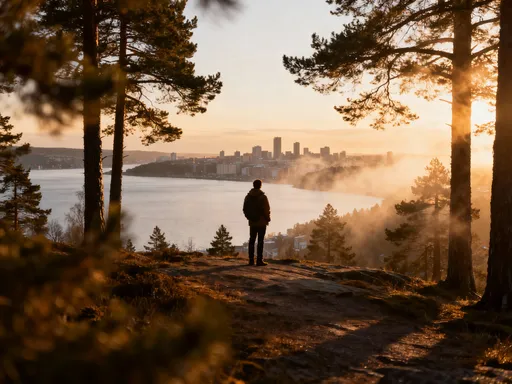
For travelers seeking authentic, crowd-free vistas, Oslo offers several lesser-known but truly exceptional viewpoints. One standout is the upper ridge of Tryvannshøyden, located just beyond the main ski area of Holmenkollen. While most visitors stop at the tower or the museum, continuing along the marked trail leads to an open plateau with unobstructed views of the city, the fjord, and the surrounding forest. The hike is moderate—about 30 minutes from the ski lift—and often quiet, even on weekends.
Another rewarding spot is Vettakollen, accessible via public transit and a well-maintained path through Nordmarka. This viewpoint offers a sweeping northern panorama, with layers of forested hills stretching into the distance. Unlike more tourist-heavy locations, Vettakollen remains peaceful, with ample space to sit, rest, and take in the scenery. The trail is family-friendly, well-marked, and suitable year-round with proper gear. In winter, it’s a favorite among cross-country skiers, who glide silently through the snow-covered woods before pausing to enjoy the view.
For a more urban yet equally impressive vantage, the rooftop terrace at the Deichman Bjørvika library offers a striking modern perspective. While not a natural viewpoint, its elevated position provides a clean, framed outlook of the opera house, the harbor, and the water beyond. The space is open during library hours, free to access, and often overlooked by tourists focused on outdoor trails. Pairing a visit with a coffee from the in-house café makes for a relaxed and stylish way to see the city.
Another underappreciated gem is the trail leading to Skjennungstua in the southern part of Oslomarka. This route begins near Korketrekkeren, Oslo’s famous bobsled track, and winds through mixed forest before opening onto a rocky outcrop with a southeast-facing view. At sunrise, the light spills over the treetops and illuminates the valley below—a moment of quiet brilliance rarely captured in mainstream guides. The path is clearly marked, and the elevation gain is gentle, making it suitable for hikers of all levels.
The Best Time and Conditions for Optimal Views
Timing can make or break a viewpoint experience in Oslo. Light, weather, and season all play critical roles in determining visibility and atmosphere. For the clearest views, aim for early morning on a crisp, dry day. Humidity and heat haze tend to build in the afternoon, reducing contrast and obscuring distant details. Mornings often bring still air and sharp clarity, especially in late summer and autumn.
Sunrise and sunset offer their own unique rewards. A winter sunrise over the fjord, with long shadows and golden light, can transform a familiar landscape into something ethereal. Conversely, summer evenings provide extended twilight, allowing for long exposures and soft, diffused lighting. However, these times also attract photographers and influencers, so arriving slightly before or after peak golden hour can help avoid crowds while still capturing excellent light.
Weather is equally important. Clear skies are ideal, but even overcast conditions can enhance certain scenes—moody clouds above the water, for instance, add drama to fjord views. Fog, however, can be a disappointment, particularly at lower elevations. Higher viewpoints like Tryvannshøyden or Vettakollen are more likely to rise above the cloud layer, offering what locals call “above-the-soup” perspectives on misty mornings.
Seasonal variations also shape the experience. Spring brings greening forests and melting snow, with streams running full and birds returning. Summer offers long days and lush foliage, though it’s also the busiest time. Autumn is often considered the best season for photography, with rich colors and stable weather. Winter, while cold, provides snow-covered silence, frozen lakes, and the possibility of northern lights on clear nights—though these are rare in the city itself. Regardless of season, checking a reliable weather forecast before departure is essential for a successful outing.
Smart Planning: Tools and Resources for Better Experiences
To maximize your chances of a rewarding viewpoint visit, smart planning is essential. Fortunately, Oslo offers a range of reliable tools and resources. The official Visit Oslo website provides up-to-date information on trails, closures, and public transportation, including seasonal adjustments. Unlike third-party blogs or social media posts, which may be outdated, this source is regularly maintained and accurate.
For real-time trail conditions, the Norge ut website and app are invaluable. Managed by the Norwegian Trekking Association, they offer detailed maps, difficulty ratings, and user-submitted reports on path quality, snow cover, and accessibility. These insights help travelers decide whether a hike is feasible on a given day. Similarly, the Ruter app provides precise public transit schedules, route planning, and service alerts, making it easier to reach trailheads without a car.
Weather apps like Yr.no, a collaboration between the Norwegian Meteorological Institute and NRK, deliver hyper-local forecasts with hour-by-hour detail. This level of precision is especially useful when deciding whether to attempt a high-elevation viewpoint or opt for a city-based alternative. Checking wind speed, cloud cover, and precipitation probability can prevent wasted trips and uncomfortable hikes.
Local forums such as Reddit’s r/oslo or Facebook groups like “Oslo Hiking & Outdoor” also offer practical advice from residents. These communities often share recent photos, warn of temporary closures, or suggest lesser-known paths. While influencer content can inspire, it should be cross-referenced with these ground-level sources for accuracy. Flexibility is another key factor—having backup options ensures that bad weather or unexpected closures don’t derail your plans entirely.
How to Elevate Your Viewpoint Experience Beyond the Photo
A truly memorable viewpoint experience goes beyond capturing the perfect image. While photographs preserve memories, the full richness of a moment lies in presence—the feel of the wind, the sound of birds, the scent of pine. Encouraging mindful observation can transform a simple stop into a meaningful pause. Instead of rushing to snap a picture and move on, consider taking a few minutes to simply absorb the scene.
Bringing a thermos of coffee, tea, or hot chocolate enhances the experience, especially in cooler months. Sitting quietly with a warm drink turns a physical journey into a moment of comfort and reflection. Some travelers enjoy journaling, sketching, or reading a short passage from a favorite book while overlooking the landscape. These small rituals deepen the connection between person and place.
For families, turning the hike into a sensory game can engage children—asking them to identify bird calls, spot different leaf shapes, or describe the colors they see. This not only makes the journey more enjoyable but also fosters appreciation for nature. Even solo travelers can benefit from slowing down, using the stillness to reflect on personal goals, gratitude, or the beauty of the natural world.
Oslo’s viewpoints, at their best, are not just destinations but invitations—to breathe deeply, to step away from routine, to witness the quiet grandeur of Norway’s landscape. When approached with intention, they become more than scenic stops; they become moments of renewal.
Conclusion: Seeing Oslo Clearly—Lessons from the Lookouts
Oslo’s most famous viewpoints may dominate travel guides, but the most memorable experiences often lie beyond the spotlight. The truth is, not every highly recommended spot delivers on its promise. Crowds, poor access, seasonal limits, and misleading images can turn anticipation into disappointment. Yet, by understanding these challenges and seeking alternatives, travelers can discover quieter, more authentic vantage points that offer genuine beauty and peace.
The real lesson from Oslo’s lookouts is this: thoughtful choices lead to more meaningful journeys. Prioritizing authenticity over popularity, preparation over impulse, and presence over perfection transforms sightseeing into something deeper. Whether standing atop a snow-dusted ridge at dawn or sipping tea on a library rooftop as the city lights come on, the best views are those that resonate beyond the lens.
So as you plan your trip, let go of the pressure to see it all. Instead, focus on a few well-chosen moments—hikes with clear paths and open vistas, visits timed for ideal light, pauses filled with stillness. In doing so, you won’t just see Oslo more clearly. You’ll experience it more fully, one honest, unfiltered view at a time.