You Won’t Believe These Hidden Corners of Santiago de Cuba
Santiago de Cuba isn’t just about music and mountains—it’s a city alive with stories in every alley. I wandered its lesser-known streets and found colors, rhythms, and moments most travelers miss. From colonial courtyards humming with life to street art that speaks louder than words, this is the Santiago only locals truly know. Let me take you where the map ends and the real experience begins. Here, time doesn’t rush; it sways to the beat of son music drifting from open windows, to the rhythm of dominoes tapping on tables, to the laughter of children chasing each other down cobbled lanes. This is not a city preserved for postcards. It’s a living, breathing urban tapestry where history, culture, and community are woven into everyday life. To walk its hidden corners is to witness the soul of Cuba in its most authentic form.
The Pulse of Santiago: Beyond the Postcard
Santiago de Cuba pulses with a rhythm unlike any other city in the country. While Havana dazzles with restored facades and tourist energy, Santiago moves at its own pace—earthy, unfiltered, deeply rooted. It is Cuba’s cultural heartbeat, a place where Afro-Caribbean traditions run deep and music isn’t performed for audiences but lives in the air, in the streets, in the way people greet one another. The city’s identity is shaped by its geography—nestled between the Sierra Maestra mountains and the turquoise waters of the Caribbean Sea—and by its history as a crucible of revolution, migration, and artistic innovation.
Most visitors arrive drawn by the city’s famous Carnival or the historic Castillo del Morro, yet few venture beyond these landmarks. They miss the quiet corners where life unfolds in full color: a grandmother stirring a pot of black beans on a gas stove by the doorway, a group of teenagers practicing dance steps on a shaded porch, a man tuning a tres guitar before joining the evening’s impromptu jam session. These moments are not staged. They are the fabric of daily existence in Santiago, where community is not an idea but a lived reality.
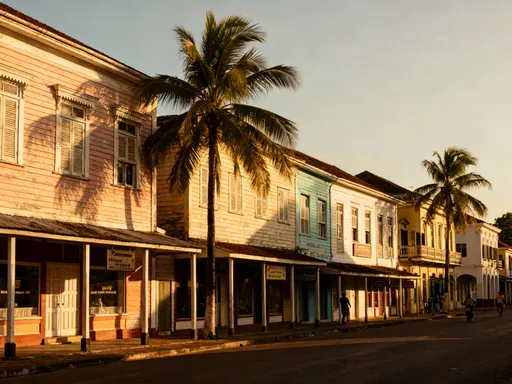
The contrast between the tourist-facing areas and the residential neighborhoods is striking. In the central plazas, vendors sell hand-carved masks and rum bottles shaped like cigars. But just a few blocks away, in the barrios that climb the hillsides, life operates on a different frequency. Here, homes are painted in faded blues, pinks, and yellows, their shutters chipped but proud. Roosters strut through narrow alleys, and the scent of fried plantains mingles with sea salt and damp stone. To walk these streets is to step into a world that remains untouched by commercialization, where authenticity isn’t performed—it simply is.
Exploring Santiago beyond the postcard means embracing its imperfections. Buildings sag under the weight of decades, and power outages are common. Yet, these conditions do not diminish the city’s spirit—they amplify it. Residents adapt, repair, and carry on with resilience and grace. To understand Santiago is to appreciate not just its beauty but its endurance, to recognize that the city’s true charm lies not in polished surfaces but in the vitality of its people and the depth of its traditions.
Barrio Vista Alegre: Where Time Slows Down
Nestled in the eastern hills of the city, Barrio Vista Alegre offers a glimpse into a slower, more contemplative side of Santiago. The name, which means “Happy View,” is fitting—residents here enjoy sweeping vistas of the bay, but the true joy of the neighborhood lies in its rhythm. Life moves deliberately, shaped by routine, neighborly bonds, and the quiet pride of maintaining homes that have stood for generations. Unlike the bustling center, Vista Alegre feels suspended in time, where the past and present coexist in harmony.
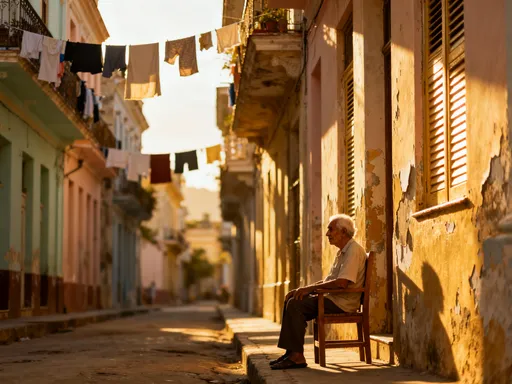
Walking through the barrio, one is immediately struck by the sensory richness. Pastel walls—peeling in places, freshly painted in others—frame wooden balconies strung with laundry that flutters like prayer flags in the breeze. Elderly residents sit on low stools outside their homes, fanning themselves and exchanging news in soft, rhythmic Spanish. Children play with handmade toys—a bottle cap rolled with a stick, a jump rope made of braided plastic bags. The scent of coffee and fried yuca drifts from open doorways, mingling with the occasional whiff of damp earth after a brief tropical shower.
The heart of Vista Alegre lies in its shared courtyards, known locally as patios comunales. These communal spaces, tucked behind unassuming doorways, serve as living rooms for the neighborhood. Neighbors gather here in the late afternoons, sharing stories, playing cards, or simply sitting in companionable silence. Some patios are lush with potted plants and creeping vines; others are simple concrete spaces with a single tree providing shade. What they all have in common is a sense of belonging—a feeling that everyone has a place, a voice, a role in the life of the community.
For visitors, entering Barrio Vista Alegre is an invitation to slow down and observe. The neighborhood is safe and welcoming, but respect is essential. Knocking before entering a shared courtyard, asking permission before taking photographs, and greeting residents with a simple buenos días go a long way. There are no formal tours here, no entrance fees or brochures—just the quiet dignity of everyday life. Travelers who approach with humility and curiosity are often rewarded with warm smiles, offers of coffee, or impromptu conversations that reveal deeper layers of the city’s soul.
Calle Heredia and Its Secret Courtyards
Just a short walk from Parque Céspedes, Calle Heredia may appear at first glance to be an ordinary colonial street—its buildings weathered but dignified, their iron grilles and wooden doors hinting at a grander past. Yet behind these facades lie some of Santiago’s most enchanting secrets: the hidden patios of the solares. These traditional Cuban tenement houses, once homes to extended families and renters from all walks of life, are architectural marvels that embody the social fabric of old Havana—and, in Santiago, a more intimate, lived-in version of the same tradition.
Stepping into one of these inner courtyards is like entering another world. The noise of the street fades, replaced by the soft splash of a fountain, the rustle of banana leaves, and the distant strum of a guitar. Sunlight filters through a lattice of vines, casting dappled patterns on the stone floor. Potted hibiscus and geraniums line the edges, and hammocks sway gently between columns. These spaces were designed not just for beauty but for function—ventilation in the tropical heat, communal gathering, and a sense of privacy within dense urban living.
The architecture of the solares reflects a blend of Spanish colonial design and Caribbean adaptation. Thick walls keep interiors cool, while high ceilings allow hot air to rise. The central patio acts as a natural air conditioner, drawing breezes through surrounding rooms. Though many of these buildings are now in various states of repair, their structural integrity remains strong, a testament to the craftsmanship of earlier generations. Some have been partially restored by residents using salvaged materials, while others await the resources for full rehabilitation.
Visitors can explore these spaces respectfully by connecting with local cultural guides or attending community-led walking tours that support preservation efforts. It’s important to remember that these are not museums but homes. Knocking gently and explaining your interest in the architecture often opens doors—literally. Many residents are proud of their patios and happy to share their history, especially when approached with courtesy. The experience offers more than visual delight; it provides insight into how Cubans have historically lived in close-knit, interdependent communities, where privacy and togetherness are carefully balanced.
Taller Experimental de Arte: Art Born from the Streets
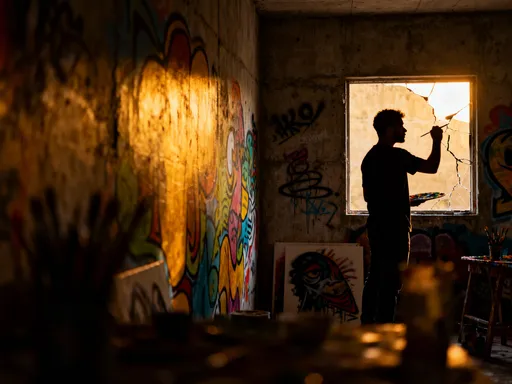
In the working-class neighborhood of San Pedrito, just beyond the bustling Avenida de las Américas, stands a vibrant beacon of creativity: the Taller Experimental de Arte. Founded decades ago as a grassroots initiative, this community art studio has become a cultural anchor for Santiago’s youth, a place where paint, poetry, and performance are tools for expression, education, and empowerment. Its brightly painted walls—covered in murals of dancing figures, revolutionary symbols, and tropical flora—announce its presence long before you reach the entrance.
The Taller is more than a gallery or classroom; it is a living institution rooted in the belief that art is essential to community well-being. Local artists serve as mentors, teaching everything from mural painting to printmaking, dance to spoken word. Programs are free or low-cost, ensuring accessibility for children and teens who might otherwise have few creative outlets. The studio’s philosophy is simple: creativity is not a luxury but a necessity, especially in a city where economic hardship is a daily reality.
Walking through the Taller’s courtyard, one feels the energy of imagination in motion. Teenagers mix paints for a new mural, their hands stained with bright blues and fiery reds. A group rehearses a dance piece inspired by Afro-Cuban traditions, their movements powerful and precise. In a small room off the main hall, a poetry workshop unfolds, voices rising in rhythm and passion. These activities are not isolated events but part of a continuous cycle of creation and connection, fostering identity, confidence, and resilience among participants.
The Taller’s impact extends beyond its walls. Its murals adorn buildings across the neighborhood, transforming ordinary facades into canvases of pride and protest. Themes often reflect social issues—environmental protection, racial equality, cultural heritage—but always with a tone of hope and possibility. For visitors, a visit to the Taller is not just a cultural experience but a lesson in how art can sustain a community. Guided tours are available, often led by young artists themselves, offering authentic insights into the creative process and the challenges of making art in a resource-limited environment.
Cementerio Santa Ifigenia’s Living Neighborhood
The Cementerio Santa Ifigenia is one of Cuba’s most visited historical sites, home to the mausoleum of national hero José Martí and the final resting place of revolutionary leader Fidel Castro. Tourists arrive in buses, follow marked paths, and depart within the hour. But just beyond the cemetery’s ornate iron gates lies a neighborhood that few take the time to notice—a quiet, dignified community where life unfolds in the shadow of memory.
The streets surrounding the cemetery—Calle General García, Calle San Juan—are lined with modest homes, family-run eateries, and small shops selling flowers, candles, and religious items for visitors paying respects. Women sit on stoops braiding each other’s hair, while men repair bicycles or tend to potted plants. The rhythm here is calm, almost meditative, shaped by the proximity to a place of reverence. Yet, it is not somber. Life continues with warmth and purpose, a reminder that memory and daily existence are not opposites but companions.
Local vendors know the cemetery’s schedule—the days of national holidays, the arrival of official delegations—and adjust their routines accordingly. Some sell floral wreaths made from marigolds and carnations; others offer guided stories about the famous figures buried within. But their connection to the place goes deeper than commerce. Many families have lived here for generations, their ancestors also interred in the cemetery’s older sections. For them, Santa Ifigenia is not just a monument but a part of their personal and collective history.
Walking these streets invites reflection on how cultures honor the past without being trapped by it. The cemetery is well maintained, its marble columns and statues gleaming in the sun, but the surrounding neighborhood tells a different story—one of continuity. Children play near the gates, their laughter echoing off stone walls. Neighbors greet each other by name, sharing news over cups of strong coffee. It is a place where history is not frozen but lived, where the presence of the past enhances, rather than overshadows, the present.
How to Move Like a Local: Transportation & Timing
To truly experience Santiago’s hidden corners, one must adopt the pace and patterns of its residents. The city is best explored on foot, especially in the central and hilly neighborhoods where narrow streets and steep inclines make vehicle access difficult. Walking allows for spontaneity—turning down an alley because of the sound of music, stopping to admire a hand-painted door, or pausing for a conversation with a local vendor.
For longer distances, colectivos—shared taxis—are the most practical option. These are often vintage American cars or modern minibuses that follow informal routes across the city. Travelers can hail one by standing at a busy intersection and signaling; the driver will slow down, and you can state your destination. Fares are modest, usually paid in Cuban pesos (CUP), and the experience offers a genuine slice of urban life. While not as comfortable as private taxis, colectivos provide authenticity and connection, often filled with residents going about their daily routines.
Timing is equally important. Midday in Santiago can be intense—the sun beats down, temperatures rise, and many businesses close for siesta. The best times to explore are early morning, from 7 to 10 a.m., when the light is soft and the streets come alive with activity: bakers pulling bread from ovens, delivery men unloading crates of fruit, neighbors sweeping their doorsteps. Late afternoon, from 4 to 7 p.m., is another ideal window. The heat begins to lift, and the city shifts into its evening rhythm—music returns, families gather, and the air fills with the scent of dinner being prepared.
Patience and openness are essential tools for the thoughtful traveler. Wi-Fi access is limited, maps may be outdated, and plans often change due to transportation delays or power outages. Rather than resisting these realities, embracing them can lead to unexpected discoveries. A missed colectivo might lead to a conversation with a retired teacher who shares stories of Santiago’s past. A sudden rainstorm might send you into a small café where an impromptu musical trio begins to play. These unplanned moments are often the most memorable, reminding us that travel is not about checking off destinations but about being present in the experience.
Why These Streets Matter: The Value of Slow Urban Exploration
The hidden corners of Santiago de Cuba matter because they remind us of what travel can be at its best—not a series of photo opportunities, but a deep, human connection. In an age of curated Instagram feeds and fast-paced itineraries, cities like Santiago offer a counterpoint: a chance to slow down, to listen, to observe without agenda. These streets are not designed for tourists. They exist for the people who live, work, and dream within them. To walk them is to witness resilience, creativity, and community in their most unvarnished forms.
Slow urban exploration is not passive. It requires attention, humility, and a willingness to be surprised. It means resisting the urge to capture every moment with a camera and instead allowing space for quiet observation. It means asking questions, learning a few words of Spanish, accepting an invitation for coffee even if it delays your schedule. It means understanding that a city’s soul is not found in its monuments alone but in the way a grandmother calls to her granddaughter across the street, in the rhythm of a carpenter’s hammer, in the laughter that spills from an open window.
Santiago, with its layered history and vibrant street life, is a perfect place to practice this kind of travel. It does not offer polished perfection. It offers something more valuable: authenticity. Every block tells a story—of survival, of joy, of cultural fusion. To seek these stories is to engage with the world not as a spectator but as a participant, even if only for a brief time.
So let the map guide you, but don’t let it confine you. Step off the main roads. Follow the sound of music. Smile at a neighbor. Let the city reveal itself in its own time. Because in Santiago de Cuba, the real journey doesn’t begin until you stop looking for sights—and start listening for the heartbeat of the place.