Taste of Cologne: Where Flavors Tell a Story
Cologne isn’t just about towering spires and riverfront views—its soul lives in the sizzle of bratwurst on cast-iron grills, the golden crunch of Himmel un Ääd, and the rich aroma of locally brewed Kölsch. I wandered cobblestone alleys not just to sightsee, but to taste history—each bite a thread connecting old traditions to modern streets. You gotta experience it. This is more than food; it’s culture on a plate, served with warmth and pride. In a city where every meal feels like an invitation, flavors become stories, and recipes are heirlooms passed down like family treasures. Cologne’s culinary identity isn’t staged for tourists—it’s lived, shared, and deeply rooted in the rhythms of daily life.
The Heartbeat of Cologne: Food as Cultural Identity
Cologne’s cuisine is a living expression of the Rhineland’s agricultural past and communal spirit. Long before modern supermarkets, families relied on seasonal harvests, river-fed farmland, and centuries-old preservation techniques to sustain themselves through cold winters and festive summers. These traditions evolved into a distinctive food culture that values simplicity, richness, and authenticity. Staples like dark rye bread, tart green apples, and blood-based black pudding aren’t just ingredients—they’re symbols of regional pride, deeply embedded in local diets and celebrations. The Rhineland’s fertile soil has long supported orchards, root vegetables, and grazing livestock, all of which continue to shape the city’s most beloved dishes.
What makes Cologne’s food culture unique is how seamlessly tradition coexists with modern life. In bustling city-center restaurants and quiet neighborhood taverns alike, you’ll find the same recipes served for generations. These meals are not museum pieces but part of everyday life—eaten at lunch counters, shared at family gatherings, and proudly offered to visitors. Dishes such as Himmel un Ääd (heaven and earth), which pairs mashed potatoes with stewed apples and fried black pudding, reflect a deep connection to the land and its cycles. The apples represent the orchards of the surrounding countryside, while the black pudding speaks to historic butchery practices that made use of every part of the animal. This respect for ingredients is not merely practical—it’s cultural.
Food in Cologne also functions as a form of storytelling. Each dish carries echoes of regional history, from peasant roots to monastic influences. When locals serve Sauerbraten—a pot roast marinated in vinegar, spices, and sometimes red wine—they’re not just offering a hearty meal; they’re sharing a culinary legacy shaped by preservation needs and seasonal abundance. Even today, many households begin marinating the meat days in advance, following family-specific recipes that vary by household. This personalization of tradition reinforces a sense of identity and continuity. In this way, Cologne’s kitchens become quiet custodians of history, where every meal is a small act of remembrance and belonging.
Kölsch Culture: More Than Just a Beer
No exploration of Cologne’s culinary landscape is complete without understanding Kölsch—the crisp, light ale that is as much a symbol of the city as the cathedral itself. Legally protected by the Kölsch Konvention, this top-fermented beer can only be brewed within the city limits of Cologne, making it a true product of place. But Kölsch is more than a beverage; it’s a cultural ritual, a social glue, and a point of local pride. From morning breakfasts to late-night gatherings, Kölsch flows freely in the city’s traditional beer halls, where the atmosphere is lively, inclusive, and deeply communal.
The experience of drinking Kölsch follows a distinctive rhythm. It’s served in tall, narrow 200-milliliter glasses called *Stangen*, which are continuously refilled by swift-moving servers known as *Köbes*. These waitstaff, often dressed in blue aprons and white shirts, move through crowded rooms with practiced ease, balancing trays stacked with fresh glasses. The tradition of automatic refills—unless you place a coaster over your glass to signal “no more”—encourages conversation, pacing, and shared enjoyment. It’s not about drinking quickly, but about staying present, engaged, and connected. This ritual fosters a sense of camaraderie, turning strangers into companions over the course of an afternoon.
There are unspoken rules that guide the Kölsch experience. Tipping, for instance, is typically done by rounding up the bill or leaving small change on the table—a gesture of appreciation for attentive service. Eye contact and a simple “Danke” go a long way in building rapport with the *Köbes*. And while menus exist, many regulars rely on their server’s recommendations, trusting their knowledge of what’s fresh and well-prepared that day. These small customs reflect a broader cultural value: respect for tradition, hospitality, and the shared space of the pub. In Cologne, a beer hall is not just a place to drink—it’s a living room for the community, where stories are exchanged, laughter echoes, and identity is reaffirmed with every clink of the glass.
Markets and Street Bites: A Culinary Walk Through the City
For those seeking an authentic taste of Cologne, the city’s markets offer a vibrant, sensory-rich introduction to local flavors. The Heumarkt, one of the largest and most historic market squares, comes alive each week with vendors selling fresh produce, artisanal cheeses, smoked meats, and handmade pastries. The air is thick with the scent of wood-fired ovens, sizzling sausages, and warm pretzels dusted with coarse salt. This is where residents stock their kitchens, sample seasonal specialties, and catch up with neighbors—a daily ritual that blends practicality with pleasure.
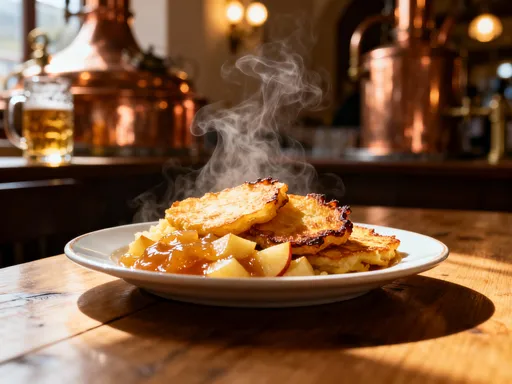
Equally compelling are the smaller, seasonal markets like those held around the Domforum, where holiday-themed stalls appear during winter and spring festivals. Here, visitors can try *Reibekuchen*—crispy potato pancakes fried to golden perfection and often served with applesauce or sour cream. Another favorite is *Bratwurst vom Schwenkgrill*, a sausage slow-cooked over a swinging grill that imparts a smoky depth unmatched by standard grills. These street foods are not afterthoughts but central to Cologne’s culinary identity, offering quick, satisfying bites that reflect generations of flavor refinement.
Navigating these markets like a local means embracing spontaneity. Rather than sticking to a checklist, allow your senses to guide you—follow the aroma of roasting chestnuts in winter or the sight of jewel-toned berry jams in summer. Vendors are often happy to offer samples, and many speak enough English to explain their products. Cash is still preferred at most stalls, so it’s wise to carry small bills. And while it’s tempting to eat on the go, consider pausing at a nearby bench or standing counter to savor your food fully. These moments—watching the world pass by while biting into a warm, buttery pretzel—are where travel transforms into lived experience. The markets of Cologne don’t just feed the body; they nourish a deeper connection to the city’s rhythms and people.
Hidden Kitchens: Family-Run Eateries Off the Tourist Trail
Beyond the postcard-perfect views of the cathedral and the busy beer halls near the riverfront lie the true heart of Cologne’s food culture: small, family-run restaurants tucked into residential neighborhoods and quiet side streets. These unassuming spots—often passed down through generations—serve some of the most authentic Rhineland dishes in the city. Unlike chain establishments or tourist-focused eateries, they operate on a slower, more personal rhythm, where recipes are guarded like heirlooms and service feels like hospitality rather than performance.
One such gem might be a modest *Brauhaus* in the Nippes district, where the owner greets regulars by name and the kitchen still uses a wood-fired stove to prepare daily specials. Here, you’ll find Himmel un Ääd made with apples from a local orchard and black pudding sourced from a trusted butcher just blocks away. The Sauerbraten, marinated for at least three days in a spiced vinegar blend, is tender enough to cut with a fork and served with rich gravy and buttery dumplings. There’s no English menu, no online reservation system—just a chalkboard listing the day’s offerings and a genuine welcome for anyone willing to step inside.
These family kitchens preserve culinary traditions that larger restaurants often simplify or omit. A grandmother might still hand-roll *Frikadellen* (meatballs), while a daughter manages the front of house, explaining dishes with patient warmth. The focus is not on presentation or trends, but on flavor, consistency, and care. Even the wine list—if there is one—tends to feature regional Rieslings or local fruit wines, chosen for their compatibility with hearty dishes. Dining in such places feels less like consumption and more like participation in a shared cultural practice. For travelers seeking depth over spectacle, these hidden kitchens offer a rare and rewarding glimpse into Cologne’s soul.
From Abbey to Table: The Historical Roots of Cologne’s Flavors
To understand the depth of Cologne’s cuisine, one must look back to the Middle Ages, when monasteries played a central role in shaping the region’s food and drink traditions. Benedictine and Cistercian monks were not only spiritual leaders but also skilled agriculturists, brewers, and preservers of knowledge. Within the walls of abbeys along the Rhine, they cultivated herbs, fermented vegetables, and perfected the art of brewing—skills that would later influence the broader culinary landscape. Their contributions were both practical and profound, laying the foundation for many of the flavors still cherished today.
Brewing, in particular, became a monastic specialty. Monks developed early versions of what would evolve into Kölsch, using locally grown barley and hops, purified river water, and precise fermentation techniques. These beers were not just for celebration but served as a safe alternative to drinking water, which was often contaminated. Over time, brewing knowledge spread beyond the abbey walls, giving rise to the city’s proud beer culture. Similarly, the use of vinegar and spices in meat preservation—key to dishes like Sauerbraten—originated in monastic kitchens, where food needed to last through long winters and religious fasting periods.
Monasteries also influenced seasonal eating patterns. Many traditional dishes are tied to liturgical calendars and harvest cycles. For example, certain sweets and spiced breads were prepared during Advent and Christmas, while Lenten meals emphasized fish and preserved foods. The legacy of these rhythms persists in modern celebrations, such as the winter *Weihnachtsmarkt*, where spiced *Printen* and mulled wine echo centuries-old customs. Even today, some family recipes include ingredients once grown in monastery gardens—rosemary, thyme, and juniper—linking contemporary tables to medieval soil. This historical continuity reminds us that Cologne’s cuisine is not static but a living tradition, shaped by centuries of faith, labor, and adaptation.
Seasonal Rhythms: How Time of Year Shapes What’s on the Plate
In Cologne, the calendar dictates the menu. The city’s culinary life unfolds in harmony with the seasons, each bringing its own ingredients, festivals, and cherished dishes. Spring arrives with the first harvest of white asparagus, a delicacy so revered that many restaurants build entire menus around it. Served simply with hollandaise sauce, boiled potatoes, and a slice of cured ham, this seasonal favorite marks the beginning of outdoor dining and renewed energy in the food scene.
Summer brings outdoor markets, riverfront grills, and long evenings spent in beer gardens. This is the season for fresh strawberries, grilled fish from the Rhine, and cold glasses of Kölsch enjoyed under strings of lights. The Kölsch Beer Festival, held annually in July, draws locals and visitors alike to celebrate the city’s most iconic drink with live music, food stalls, and community spirit. It’s a time when the city’s identity as a place of conviviality and craftsmanship shines brightest.
As autumn settles in, menus grow heartier. Pork dishes, sauerkraut, and game meats take center stage, reflecting the hunting and harvesting traditions of the region. The *Herbstmarkt* (autumn market) features pumpkins, chestnuts, and apple-based treats, including *Apfelwein* (apple wine) and spiced compotes. By winter, the city transforms into a haven of warmth and spice. The famous *Weihnachtsmarkt* at the cathedral square fills the air with the scent of gingerbread, roasted nuts, and *Glühwein*. *Printen*, Cologne’s version of spiced gingerbread, becomes a staple—available in soft or hard varieties, often flavored with cinnamon, cloves, and candied citrus peel.
These seasonal shifts are not just about availability but about ritual and connection. Families gather to bake *Printen* together, children press their noses against market stall windows, and coworkers meet for after-work *Glühwein*. For travelers, timing a visit to align with these rhythms offers a deeper, more immersive experience. Eating what’s in season means tasting Cologne not as a tourist destination, but as a living, breathing community shaped by time and tradition.
Eating Like a Local: Practical Tips for a Deeper Food Journey
To truly experience Cologne’s food culture, it helps to adopt the habits and rhythms of its residents. Start by learning a few basic phrases in the local dialect or standard German. Saying “Einmal Kölsch, bitte” (one Kölsch, please) or “Was empfehlen Sie?” (what do you recommend?) can open doors and warm smiles. Servers appreciate the effort, and it often leads to better service and more authentic suggestions. Don’t be afraid to point or ask questions—most people are happy to explain their specialties.
Timing matters. Locals often eat lunch between 12:30 and 1:30 p.m., and many traditional restaurants begin serving dinner around 6 p.m. Arriving early can help you secure a good table, especially in popular but small establishments. Avoid peak tourist hours if you want a more relaxed atmosphere. And while reservations aren’t always required, they’re wise for weekend dinners or visits to well-known spots.
When in doubt, let your server choose. Many of the best dishes aren’t on the menu—they’re daily specials based on what’s fresh or what the kitchen is known for. Trusting the staff not only improves your meal but also honors the culture of hospitality. Be mindful of tourist traps, especially near the cathedral and main train station, where some restaurants serve reheated or mass-produced food. Look for places filled with locals, handwritten menus, and visible kitchens.
Finally, slow down. Cologne’s food culture values presence, conversation, and enjoyment. Don’t rush through your meal. Sip your Kölsch, savor each bite, and engage with those around you. Ask about the dish, compliment the cook, or simply smile and say “lecker” (delicious). These small gestures build connection and transform a simple meal into a meaningful moment. In a city where food is memory, tradition, and community, the most important ingredient is always human warmth.
A Feast That Feels Like Home
Cologne’s true magic lies not in its skyline or landmarks, but in the way it welcomes you to the table. Here, food is not a side note to travel—it’s the main event, a bridge between visitor and resident, past and present. Every dish tells a story: of monks tending herb gardens, families gathering for Sunday roast, and generations preserving recipes through war, change, and time. To eat in Cologne is to participate in a living tradition, one built on pride, craftsmanship, and generosity.
The flavors linger long after the trip ends—not just on the palate, but in the heart. It’s the memory of a *Köbes* refilling your glass with a wink, the crunch of a perfectly fried *Reibekuchen*, the warmth of a family-run kitchen on a rainy afternoon. These moments define the essence of travel: connection, discovery, and belonging. So when you visit Cologne, don’t just see the sights. Sit down, order a Kölsch, and let the city feed your soul. Because in Cologne, every meal is an invitation to come home.