Taste the Wild: How Johannesburg’s Hidden Reserves Serve Up Flavor
You know that feeling when you think you’ve tried it all, and then—bam—Johannesburg surprises you? I never expected to find such rich flavors tucked inside its quiet nature reserves. Far from city chaos, these protected green spaces aren’t just for birds and bushwalks—they’re where local food culture comes alive. From farm-to-fire braais to community-run eateries with soul-warming dishes, this is dining with a story. Let me take you where the wild meets the plate.
The Unexpected Fusion: Nature and Nourishment in Johannesburg
Johannesburg, often seen as a city of steel and sprawl, holds a quieter truth beneath its surface—one where nature and nourishment coexist in surprising harmony. Within its boundaries lie over 30 officially protected nature reserves, many of which have quietly become stages for a culinary renaissance rooted in sustainability and tradition. These are not grand restaurants tucked into forests, but humble gatherings where food, land, and community intersect. The fusion of conservation and cuisine may seem unlikely at first, yet it is proving to be one of the city’s most authentic expressions of resilience and identity.
What makes this phenomenon remarkable is its organic growth. These culinary experiences have not been imposed by tourism boards or corporate developers, but have emerged from within local communities who see the land not only as something to protect, but to share. In places like the Klipriviersberg Nature Reserve, weekend braais (barbecues) have evolved into cultural rituals where families gather not just to eat, but to reconnect—with each other and with the earth. The food served is often prepared using ingredients harvested nearby or grown in adjacent community gardens, reinforcing a cycle of care that benefits both people and ecosystems.
This connection between conservation and cuisine reflects a broader shift in how urban South Africans relate to their environment. As cities expand and green spaces shrink, the value of these reserves has grown beyond recreation. They are now seen as vital sources of cultural continuity, where traditional recipes are preserved and passed down through generations. Dishes like umngqusho (a blend of samp and beans), chakalaka, and roasted pumpkin are not just meals—they are acts of remembrance, honoring ancestral ways of living in balance with the land. By weaving food into the fabric of nature-based experiences, Johannesburg is redefining what conservation can mean in an urban context.
Moreover, these initiatives often operate under strict environmental guidelines. Open fires are contained, waste is minimized, and visitors are encouraged to leave no trace. This commitment to sustainability ensures that the enjoyment of food does not come at the expense of the very landscapes that make such moments possible. In this way, every meal becomes a small act of stewardship—an acknowledgment that eating well and protecting nature are not opposing goals, but deeply intertwined.
Soweto to Suikerbosrand: Mapping Flavor Through Protected Landscapes
The journey from Soweto to Suikerbosrand is more than a geographic transition—it is a passage through layers of history, ecology, and flavor. Along this route, a network of nature reserves serves as both sanctuary and stage for a growing movement that celebrates local food culture in natural settings. Each reserve offers a distinct culinary fingerprint, shaped by the plants that grow there, the people who care for the land, and the traditions they uphold. Together, they form a living map of taste, where every bite tells a story of place and belonging.
In the heart of Soweto, the Orlando Wetlands Park stands as a powerful example of transformation. Once a sewage treatment site, it has been reclaimed as a thriving ecosystem and community hub. Here, weekend food markets have become regular fixtures, drawing visitors with the aroma of grilling meat, steamed bread, and spiced stews. Vendors use ingredients sourced from nearby urban farms, including amaranth leaves, morogo (wild spinach), and free-range eggs. These dishes, while simple, carry deep cultural significance, reflecting the ingenuity and resilience of township life. The wetlands themselves provide a serene backdrop—herons wade through shallow waters as children laugh near picnic tables, creating a scene where nature and nourishment feel inseparable.
Just a short drive away, the Melville Koppies Nature Reserve offers a different kind of culinary experience—one rooted in foraging and education. Guided walks often conclude with tastings of edible indigenous plants, such as sour figs, wild garlic, and the tart berries of the num-num bush. These are not novelty snacks, but part of a growing effort to revive knowledge of traditional plant use. Local guides explain how these plants were used by early inhabitants for both food and medicine, emphasizing respect for sustainable harvesting. Occasionally, small cooking demonstrations take place, showing how these wild ingredients can be incorporated into everyday meals, from salads to relishes.
Further south, the Suikerbosrand Nature Reserve expands the culinary narrative into the realm of celebration. Known for its rugged terrain and diverse wildlife, it also hosts seasonal food festivals that draw hundreds of visitors each year. These events feature slow-cooked stews, homemade bread baked in wood-fired ovens, and traditional desserts like melktert and koeksisters. What sets these gatherings apart is their emphasis on participation—visitors are invited to help prepare food, stir pots, or even grind maize using hand mills. This hands-on approach fosters a deeper connection to the meal, transforming dining into a shared act of creation rather than passive consumption.
Each of these reserves contributes to a broader understanding of food as more than sustenance. It becomes a medium through which people engage with history, ecology, and community. Whether it’s the smoky scent of vetkoek frying over coals in Soweto or the crisp taste of foraged herbs in Melville, these flavors anchor the experience in place. They remind us that taste is not just a sense, but a memory—and that the land itself can be a source of both nourishment and narrative.
From Soil to Supper: The Rise of Reserve-Linked Farming Projects
At the intersection of conservation and cuisine lies a growing network of small-scale farming projects that are redefining how food is grown and shared in and around Johannesburg’s nature reserves. These are not industrial farms, but modest plots of land managed by community groups, schools, and environmental organizations with a focus on sustainability, education, and local access. Nestled alongside or near protected areas, these farms serve a dual purpose: they provide fresh, nutritious food while reinforcing the ecological integrity of the surrounding landscapes.
One of the most notable examples is the Liesbeek Valley Farm, located adjacent to a conservation corridor that links several green spaces in the southern part of the city. Here, permaculture principles guide every aspect of cultivation—companion planting, rainwater harvesting, and composting are standard practice. The farm grows a wide variety of crops, including heritage maize, spinach, beetroot, and herbs like rosemary and thyme. Much of the harvest goes directly to a nearby eco-café, which prepares meals using traditional methods and seasonal ingredients. The rest is sold at weekend markets or distributed to local families, ensuring that the benefits of the land are shared widely.
These farming initiatives are more than just sources of food—they are living classrooms. School groups regularly visit for educational tours, where children learn about soil health, pollination, and the importance of biodiversity. They plant seeds, harvest vegetables, and sometimes even cook simple meals using what they’ve picked. For many urban youth, this is their first direct experience with agriculture, and it often sparks a lasting appreciation for where food comes from. By connecting the act of growing with the act of eating, these programs help bridge the gap between city life and the natural world.
Another key feature of these projects is their commitment to seed sovereignty. Many of the crops grown are heirloom varieties—traditional strains of maize, beans, and pumpkins that have been passed down through generations. Preserving these seeds is not just an agricultural act, but a cultural one. It ensures that the flavors and nutritional profiles of ancestral foods remain available for future generations. In some cases, seed swaps are organized, allowing farmers and gardeners to exchange locally adapted varieties and strengthen regional food resilience.
Importantly, these farms operate in harmony with the surrounding ecosystems. Pesticides are avoided, native plants are used for borders and windbreaks, and efforts are made to support pollinators and other beneficial species. This integration means that the farms do not stand apart from nature reserves but function as extensions of them—productive landscapes that contribute to, rather than detract from, conservation goals. In this way, the boundary between wild and cultivated becomes porous, reflecting a more holistic vision of land use where people and nature thrive together.
Dining Under the Acacias: A Closer Look at Nature-Based Eateries
Imagine sitting at a wooden table shaded by acacia trees, the air filled with the scent of roasting meat and simmering spices, while a gentle breeze carries the distant call of a francolin. This is the reality at a growing number of nature-based eateries scattered across Johannesburg’s green spaces—places where dining is not just about food, but about atmosphere, connection, and place. These are not formal restaurants, but informal, often seasonal setups that range from weekend market stalls to pop-up kitchens and eco-cafés. What they share is a commitment to authenticity, sustainability, and community.
One of the most beloved examples is the weekend braai spot near the entrance of the Suikerbosrand Nature Reserve. Run by a local cooperative, it opens every Saturday and Sunday, serving hearty meals that reflect the region’s culinary heritage. Favorites include grilled boerewors (a spiced sausage), slow-cooked oxtail stew, and vetkoek—deep-fried dough balls often stuffed with curried mince. Everything is prepared on-site over open wood fires, lending a smoky depth to the flavors that cannot be replicated in a kitchen. Visitors bring their own chairs or sit on logs, sharing tables with strangers who soon become conversation partners. Live music, often featuring marimba or acoustic guitar, adds to the sense of occasion, turning a simple meal into a celebration.
Further north, in the foothills near the Rietvlei Nature Reserve, an eco-café has gained recognition for its farm-to-table philosophy. The menu changes weekly based on what is harvested from its adjacent garden, ensuring freshness and seasonality. A typical offering might include a pumpkin and amaranth stew served with steamed maize dumplings, accompanied by a herbal iced tea made from lemon verbena and mint. The café uses biodegradable plates and encourages visitors to compost food scraps, aligning its operations with the reserve’s environmental values. It also hosts monthly “dine and learn” evenings, where guests enjoy a multi-course meal while listening to talks on topics like water conservation, indigenous plants, or sustainable cooking.
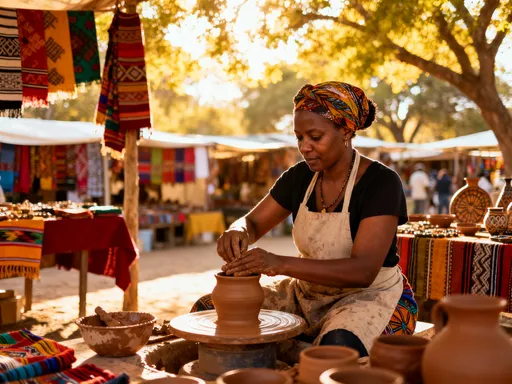
These eateries are more than places to eat—they are cultural spaces where traditions are kept alive and shared. The act of preparing and serving food becomes a form of storytelling, with elders passing down recipes and techniques to younger generations. In some cases, women’s collectives run the kitchens, using the income to support their families and fund community projects. This economic dimension adds another layer of meaning, showing how food can be a vehicle for empowerment and resilience.
Crucially, these dining experiences are designed to minimize impact on the environment. Waste is carefully managed, firewood is sourced sustainably, and structures are built using recycled or natural materials. Visitors are reminded to respect wildlife, keep noise levels low, and take all litter with them. These practices ensure that the joy of a good meal does not come at the cost of the natural beauty that surrounds it. Dining under the acacias is not just a treat—it is a lesson in balance, a reminder that pleasure and responsibility can coexist.
Why This Matters: How Food Strengthens Conservation Efforts
At first glance, food and conservation might seem like separate domains—one concerned with sustenance, the other with protection. Yet in Johannesburg’s nature reserves, they are proving to be deeply interconnected. When visitors eat locally sourced meals in natural settings, they are not just satisfying hunger—they are participating in a system that supports environmental preservation. Every purchase at a community-run stall, every ticket to a food festival, and every donation to a farming project contributes to the financial sustainability of these protected areas. In many cases, a portion of the revenue is reinvested directly into conservation work, funding anti-poaching patrols, habitat restoration, and environmental education programs.
This model creates a virtuous cycle: the more people engage with the land through food, the more they value it. A visitor who has tasted a stew made with foraged herbs is more likely to care about the plants that produced them. Someone who has eaten maize grown in a permaculture garden may become curious about soil health and water conservation. These experiences foster a sense of ownership and responsibility, transforming passive observers into active stewards. Studies have shown that experiential learning in natural settings leads to stronger environmental attitudes, and food-based activities offer a particularly accessible entry point.
Moreover, these initiatives help reduce the ecological footprint of dining. By sourcing ingredients locally, these eateries cut down on transportation emissions and packaging waste. They avoid imported or processed foods, which often carry hidden environmental costs. Instead, they rely on seasonal, plant-based, and low-impact ingredients that align with both health and sustainability goals. This approach not only benefits the planet but also supports local economies, keeping money within the community and creating jobs for guides, cooks, farmers, and artisans.
Perhaps most importantly, food helps make conservation relatable. For many urban residents, the idea of protecting biodiversity can feel abstract or distant. But when that protection is linked to something as personal and universal as eating, it becomes tangible. A child who picks a vegetable from a garden and eats it moments later understands, in a visceral way, the connection between land and life. This emotional resonance is powerful—it builds long-term commitment to environmental values in a way that facts and figures alone cannot.
In this light, the meals served in Johannesburg’s reserves are not mere amenities, but essential tools for engagement. They are bridges between people and nature, between tradition and innovation, between survival and celebration. By placing food at the heart of the conservation experience, these communities are proving that protecting the earth does not require sacrifice—it can be delicious.
How to Experience It: Practical Tips for Food-Focused Nature Visits
For those eager to explore Johannesburg’s unique blend of nature and cuisine, a few practical considerations can enhance both enjoyment and respect for the environment. Planning ahead is key, as many of these food experiences are seasonal or event-based. Checking the official websites or social media pages of specific reserves—such as Suikerbosrand, Klipriviersberg, or Melville Koppies—can provide up-to-date information on upcoming markets, festivals, or guided food walks. Some events require pre-registration, especially those involving cooking demonstrations or educational tours, so booking in advance is advisable.
The best times to visit are during the cooler months, from April to September, when outdoor dining is most comfortable and wildlife is more active during daylight hours. Weekends are typically the busiest, offering the fullest range of food options, though weekday visits can provide a quieter, more reflective experience. Early mornings are ideal for combining a hike with a late breakfast at an eco-café, while late afternoons allow for a braai as the sun sets behind the hills.
Transportation options vary depending on the location. While some reserves are accessible by public bus or minibus taxi, others are best reached by private vehicle, especially if carrying picnic supplies or planning to stay for several hours. Carpooling is encouraged to reduce congestion and emissions, and visitors are reminded to park only in designated areas to avoid damaging vegetation.
When dining in natural settings, certain etiquette rules help preserve the integrity of the space. Visitors should bring reusable containers, cutlery, and water bottles to minimize waste. Leftover food should be packed out or properly composted if facilities are available. Open fires must be contained within provided braai stands, and only sustainably sourced firewood should be used. Noise levels should remain low to avoid disturbing wildlife and other visitors, and children should be supervised near water or steep areas.
Perhaps most importantly, visitors should approach these spaces with humility and gratitude. These are not theme parks, but living ecosystems shaped by decades of care. By following posted guidelines, supporting local vendors, and leaving no trace, guests become part of the solution rather than a burden. A simple act—like thanking a cook, asking about the origin of a dish, or planting a seedling during a community event—can deepen the experience and strengthen the connection between people and place.
The Bigger Picture: A Model for Sustainable Urban Living
What is happening in Johannesburg’s nature reserves is more than a local trend—it is a blueprint for how cities worldwide can integrate food, culture, and conservation into a cohesive vision for sustainable living. As urbanization accelerates and green spaces come under increasing pressure, the city’s approach offers a compelling alternative: one where parks are not just for jogging or dog walking, but for growing, gathering, and eating together. This model recognizes that environmental protection is not solely about saving animals or preserving trees, but about nurturing the human relationships that sustain both culture and ecology.
In a world where food systems are often disconnected from the land, Johannesburg’s reserve-based initiatives demonstrate that reconnection is possible—even in densely populated areas. They show that urban residents can have meaningful interactions with nature without traveling to remote wilderness areas. A short drive from the city center, one can walk a trail, harvest a vegetable, and share a meal under the open sky. These experiences foster a sense of belonging that is increasingly rare in modern life, reminding us that we are not separate from nature, but part of it.
Other cities can learn from this example by supporting community-led agriculture in parks, permitting low-impact food events in natural areas, and investing in environmental education that includes culinary traditions. The goal is not to commercialize nature, but to deepen engagement with it in ways that are culturally relevant and ecologically sound. When people feel that a place matters to them personally—because they have eaten from it, celebrated in it, or taught their children in it—they are far more likely to protect it.
Ultimately, the story of Johannesburg’s hidden reserves is one of hope and possibility. It proves that even in the heart of a bustling metropolis, wildness and warmth can coexist. It invites us to slow down, to savor, and to see conservation not as a duty, but as a delight. So the next time you find yourself in the city, don’t just pass through. Step off the pavement, follow the scent of woodsmoke, and let the land feed you—in body, mind, and spirit. Explore. Taste. Protect.