You Won’t Believe How Stunning Paramaribo’s Cityscape Looks on Camera
Paramaribo isn’t just South America’s best-kept secret—it’s a visual feast waiting to be captured. I was blown away by how every corner of this capital blends colonial charm with tropical vibrancy. From pastel-colored wooden buildings to bustling markets framed by palm trees, the city’s skyline tells a story. If you're chasing unique urban shots that stand out, this is it. Trust me, your camera will thank you.
First Impressions: Stepping into a Living Postcard
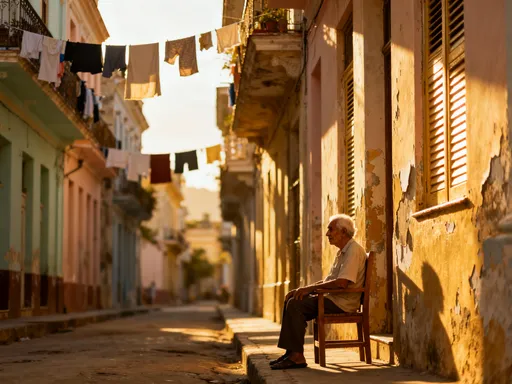
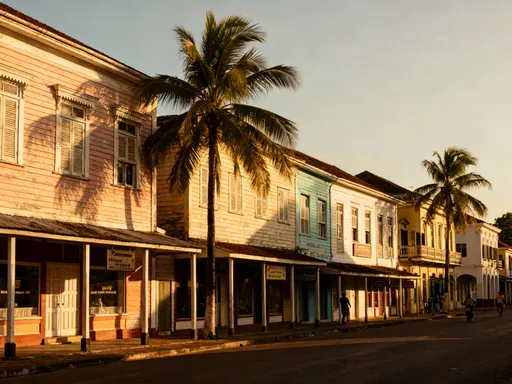
Arriving in Paramaribo feels like stepping into a carefully curated painting where history, culture, and nature coexist in perfect harmony. The first thing that strikes visitors is the city’s open, airy layout—wide boulevards shaded by towering palm and poui trees stretch toward the horizon, softened by the golden glow of early morning light. Unlike dense, concrete-heavy capitals, Paramaribo breathes. Its low-rise profile allows sunlight to filter through gently, casting long shadows that add drama to even the simplest street scenes. The architecture immediately captures attention: rows of Dutch colonial buildings with intricate wooden facades stand proudly alongside modern shops and vibrant street art, creating a dynamic visual dialogue between past and present.
What makes these first impressions so powerful for photography is the interplay of light and texture. In the early hours, the sun rises at a low angle, brushing the weathered wood of 18th-century homes with a warm, honeyed glow. This soft illumination enhances the natural grain of the timber, revealing centuries of stories etched into every beam and shutter. Photographers can use this time to capture wide-angle shots that emphasize symmetry—such as the tree-lined Onafhankelijkheidsplein or the elegant stretch of Keizerstraat—where perspective lines draw the eye deep into the frame. The contrast between the delicate lace-like carvings and the lush greenery creates a layered composition that feels both timeless and alive.
Equally compelling are the subtle details that emerge when you slow down. A rusted iron balcony, a faded pastel door with peeling paint, or a bicycle leaning against a coral-pink wall—all become compelling subjects against the quiet rhythm of morning life. Children walk to school in crisp uniforms, vendors arrange mangoes on wooden carts, and roosters crow from hidden backyards. These moments, fleeting yet rich with authenticity, form the soul of Paramaribo’s visual narrative. For photographers, this is where the journey begins: not with grand monuments, but with the poetry of everyday life unfolding beneath tropical skies.
The Historic Center: Where Wood Meets Wonder
At the heart of Paramaribo lies its UNESCO World Heritage-listed historic district, a rare urban treasure where nearly all major public and religious buildings from the 17th to 19th centuries were constructed entirely of wood. This architectural uniqueness sets the city apart from other former colonial capitals in the Americas. The craftsmanship is extraordinary—tall gabled roofs, ornate fretwork, and hand-carved cornices reflect a blend of Dutch design principles adapted to the tropical climate. The use of local hardwoods like greenheart and mora has allowed these structures to withstand humidity, termites, and time, giving them a weathered elegance that synthetic materials could never replicate.
For photographers, this district offers endless opportunities to explore depth, pattern, and color. The buildings’ verticality draws the eye upward, creating strong leading lines that work beautifully in both wide and close-up compositions. During golden hour—just after sunrise or before sunset—the low-angle light wraps around the facades, highlighting the three-dimensional quality of the carvings. Shadows stretch across cobblestone sidewalks, adding contrast and dimension. A favorite technique is to shoot from a slight diagonal angle, capturing both the front and side of a building to emphasize its form and symmetry. The Cathedral of St. Peter and Paul, with its soaring twin spires and pale yellow exterior, becomes especially striking when framed against a dusky sky.
Color plays a vital role in the district’s visual appeal. Many buildings are painted in soft pastels—mint green, peach, lavender, and sky blue—creating a palette that feels both cheerful and serene. These hues reflect the Caribbean spirit embedded in Suriname’s identity. When photographing these facades, it helps to wait for moments when the light is diffused, such as on overcast days or in the late afternoon, to avoid harsh highlights and blown-out whites. Using a polarizing filter can also reduce glare on glossy wooden surfaces, preserving texture and detail. For more creative shots, consider focusing on fragments: a section of a carved gable, a row of shuttered windows, or a doorway framed by bougainvillea. These intimate details often tell a more personal story than sweeping panoramas.
Street Life as Art: Markets, Colors, and Motion
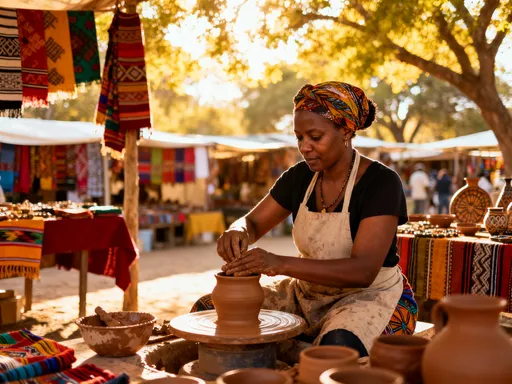
No visit to Paramaribo is complete without experiencing the Central Market, a sprawling sensory explosion that unfolds daily along the waterfront. Here, the city’s multicultural soul comes alive in a riot of color, scent, and sound. Rows of stalls overflow with pyramids of pineapples, crimson starfruit, and golden plantains. Bolts of batik fabric in bold geometric patterns flutter in the breeze, while baskets woven from palm leaves sit beside mounds of fresh nutmeg and vanilla pods. The air hums with conversation in Sranan Tongo, Dutch, Hindi, and Javanese—a reminder of the many communities that call Suriname home.
From a photographic standpoint, the market is a masterclass in capturing motion and vibrancy. The challenge—and the joy—lies in isolating compelling subjects within the chaos. One effective approach is to use a moderate telephoto lens (around 85mm) to compress the scene and focus on individual faces or hands at work. A vendor arranging peppers, a woman balancing a tray of fried bakkeljauw on her head, or children sharing a coconut—these candid moments radiate authenticity. To preserve clarity in busy environments, increasing shutter speed helps freeze action, especially under bright midday light.
Natural light remains the best ally in such dynamic settings. The open-air market allows sunlight to flood in, but it can be harsh around noon. Early mornings offer the most flattering conditions, with soft, directional light streaming between stalls. This is also when the market is most active, with vendors setting up and customers beginning their daily shopping. For more dramatic effects, try shooting against the light to create silhouettes—such as a fishmonger holding up a glistening catch—or use reflectors (or even a white card) to bounce light onto shadowed faces.
Equally important is the ethical dimension of street photography. Always be respectful and observant. A smile, a nod, or a simple gesture of acknowledgment goes a long way. In many cases, asking permission before taking close-up portraits fosters trust and often leads to more meaningful interactions. Some of the most powerful images come not from stolen glances, but from shared moments—like a grandmother adjusting her granddaughter’s headscarf or a spice seller laughing with a customer. These are the images that resonate long after the trip ends.
Hidden Corners: Offbeat Spots for Unique Shots
Beyond the postcard-perfect facades and bustling markets, Paramaribo’s true photographic magic often lies in its quieter, overlooked spaces. These are the alleys where paint peels in abstract patterns, where old wooden shutters hang slightly ajar, and where sunlight filters through gaps in corrugated roofs. Wandering without a map—allowing curiosity to guide each turn—can lead to unexpected discoveries. A retro soda sign from the 1960s, a forgotten courtyard overgrown with ferns, or a hand-painted shopfront advertising traditional herbal remedies—all become frames of quiet beauty.
These hidden corners offer a different kind of storytelling. While the historic center speaks of grandeur and preservation, these backstreets whisper of resilience and time. The textures here are raw and unpolished: cracked stucco, rusted metal, moss-covered bricks, and weathered timber. For photographers, they provide a rich canvas for abstract compositions. A close-up of chipped blue paint layered over red reveals decades of change. A shadow cast by a wrought-iron gate creates a natural grid across a sunlit wall. These details, often missed by hurried tourists, reward patience and attention.
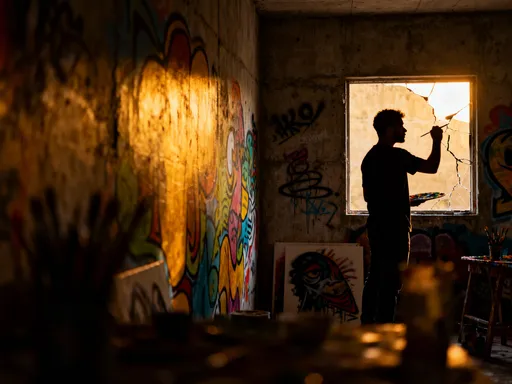
One particularly photogenic area is the neighborhood around Gravenstraat and Oostershaven, where colonial-era warehouses have been repurposed into small galleries, cafés, and craft workshops. Here, the fusion of old and new is tangible. A modern mural wraps around a centuries-old building, or a sleek glass storefront contrasts with a neighboring house adorned with carved wooden eaves. These juxtapositions invite creative framing—using reflections in windows, shooting through doorways, or layering foreground and background elements to add depth.
To make the most of these offbeat locations, slow down. Visit the same area at different times of day to see how light transforms it. Return to a favorite spot after rain—the wet surfaces will amplify colors and create mirror-like reflections. Carry a lightweight camera setup so you can move freely and respond quickly to spontaneous moments. Most importantly, stay open to the unexpected. Some of the best photographs emerge not from planning, but from serendipity—a cat sunbathing on a windowsill, a child’s drawing taped to a door, or a shaft of light illuminating a forgotten staircase.
Skyline & Perspectives: Finding Height in a Low-Rise City
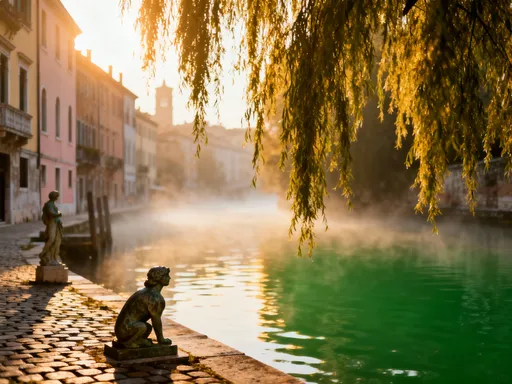
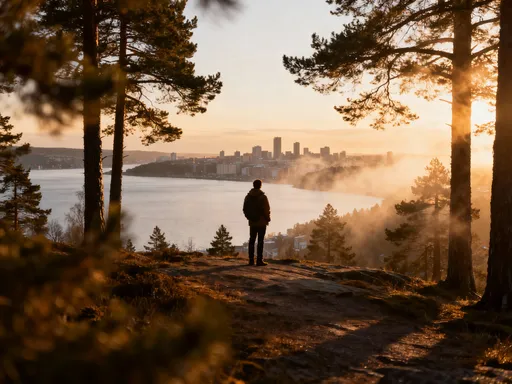
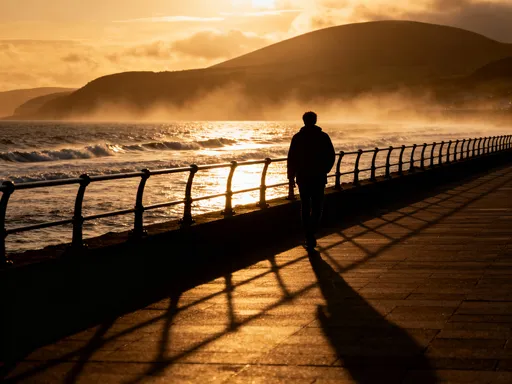
Paramaribo may not have towering skyscrapers, but its lack of vertical density becomes an advantage for photographers seeking expansive, unobstructed views. The city’s flat profile allows for panoramic compositions that stretch from the Atlantic coastline to the inland savannas. One of the best vantage points is along the Suriname River waterfront, where the promenade offers a clear line of sight across the water. At dusk, the sky ignites in shades of orange and purple, and the reflections on the river create a mirror image of the city’s silhouette. This is prime time for long-exposure photography—using a tripod and shutter speeds of 10–30 seconds to smooth the water and capture the glow of streetlights and passing boats.
For a higher perspective, the rooftop of the Palmentuin Hotel or select buildings near Independence Square provide elevated views without requiring a dedicated observation deck. These spots allow you to capture the rhythmic pattern of rooftops—gabled, hipped, and corrugated—stretching into the distance. The contrast between the historic center’s wooden structures and the more modern concrete buildings on the outskirts tells a visual story of growth and change. Including elements like palm trees in the foreground adds scale and tropical context.
Another striking location is the Jules Wijdenbosch Bridge, one of the longest bridges in the Caribbean region, connecting Paramaribo to the eastern districts. While vehicle access is restricted, photographers can walk along the adjacent pedestrian path during daylight hours. From here, the view of the city against the vast sky is breathtaking, especially during sunrise when mist rises from the river. The bridge’s steel cables create natural leading lines, drawing the eye toward the urban core. For dramatic effect, try using a zoom lens to compress the distance between the bridge’s structure and the distant skyline.
Drone photography is permitted in Suriname with prior authorization from the Civil Aviation Authority. If approved, aerial shots reveal the city’s unique urban fabric—clusters of wooden homes nestled among green canopies, geometric plots of farmland on the outskirts, and the serpentine curve of the Suriname River. Even without a drone, thoughtful composition can simulate height—shooting upward from ground level to emphasize sky, or using reflections in puddles to invert the cityscape.
Cultural Layers in Urban Design: A Visual Story
What makes Paramaribo truly distinctive is not just its architecture, but the way its urban landscape reflects a rich tapestry of cultural influences. Dutch colonial planning laid the foundation, but over centuries, Creole, Hindustani, Javanese, Maroon, and Indigenous traditions have shaped the city’s identity. This diversity is visible in the signage, religious buildings, public art, and everyday spaces. A Hindu temple with a brightly painted gopuram stands just blocks from a mosque with a slender minaret, while a wooden kerk (church) with white spires rises above the market district. These coexisting landmarks offer powerful photographic opportunities to document harmony in diversity.
One compelling subject is the fusion of architectural styles. In the older neighborhoods, you’ll find Creole houses with raised foundations and wide verandas—designed for ventilation—painted in vibrant colors and adorned with Javanese floral motifs. Shopfronts often display signs in multiple languages, from Dutch to Sranan Tongo to Hindi, reflecting the multilingual reality of daily life. Capturing these details requires a storyteller’s eye: a photograph of a spice shop with jars labeled in Hindi and Dutch, or a street festival where drummers in traditional Maroon attire perform beside a colonial-era plaza, becomes more than an image—it becomes a document of cultural continuity.
Public spaces also reveal layers of history. The Palmentuin Park, once a colonial garden, now serves as a gathering place for families, musicians, and elders playing dominoes. The National Museum, housed in a former governor’s residence, stands as a testament to preservation, while nearby, youth gather at street food stalls selling pom, roti, and broodje pom. These intersections of old and new, formal and informal, elite and everyday, create rich visual narratives. Photographers can use framing techniques—such as shooting through an archway or window—to juxtapose different elements within a single composition.
To honor the complexity of these cultural layers, approach them with humility and curiosity. Learn a few basic phrases in Sranan Tongo or Hindi to connect with locals. Attend community events when possible, always asking permission before photographing rituals or ceremonies. The most powerful images often emerge from genuine engagement rather than observation from a distance.
Practical Photography Tips for Shooting in Paramaribo
Photographing in Paramaribo requires preparation, especially given the tropical climate and urban environment. The most important factor is timing. The best light occurs during the golden hours—roughly one hour after sunrise and one hour before sunset. Midday sun is intense and creates harsh contrasts, so plan indoor shoots or editing time during the peak heat. Early mornings are ideal for capturing empty streets, soft light, and active local life without large tourist crowds.
Humidity is a constant challenge. Moisture can fog lenses, damage sensors, and degrade electronic components. To protect your gear, use silica gel packs inside camera bags, and store equipment in sealed containers when not in use. Consider bringing a microfiber cloth for quick lens wipes and a rain cover for sudden downpours, which are common in the afternoon during rainy seasons. Avoid changing lenses in open, dusty areas—opt for sheltered spots or indoor spaces.
When it comes to equipment, a lightweight setup is preferable. Narrow streets, uneven sidewalks, and crowded markets make large tripods cumbersome. A versatile zoom lens (24–70mm) covers most urban scenarios, while a prime lens (50mm) excels in low light and portrait work. A small, stable tripod is useful for long exposures at dusk or night. Always carry extra batteries and memory cards—power outages can affect charging, and photo opportunities are abundant.
Respectful street photography is essential. While Paramaribo is generally welcoming, always be mindful of personal space and privacy. Smiling, gesturing, or asking “Mag ik een foto maken?” (May I take a photo?) in Dutch or “Mi sa tapu foto?” in Sranan Tongo opens doors. Some people may decline, and that should be honored without argument. Focus on mutual respect—it often leads to richer, more authentic images.
Getting around is relatively easy. Taxis are available, but for a more immersive experience, use local minibuses (known as “busjes”) that follow fixed routes. They’re affordable and offer glimpses into daily life. For greater flexibility, rent a bicycle or hire a driver for half-day tours. Always keep water, sunscreen, and a hat on hand, and stay hydrated in the heat.
Conclusion
Paramaribo doesn’t shout for attention—it whispers through weathered wood, golden light, and quiet street corners. But for those with a lens and a curious eye, it delivers unforgettable images. More than just a destination, it’s a masterclass in finding beauty in the unexpected. Pack your camera, stay open, and let the city reveal itself—one frame at a time.