You Won’t Believe What I Found in Atami — Japan’s Best-Kept Cultural Secret
Nestled along the sparkling coast of Shizuoka, Atami isn’t just about hot springs and ocean views — it’s a cultural treasure hiding in plain sight. I went expecting relaxation, but left transformed by ancient temples, intimate art spaces, and traditions alive in every alley. If you're chasing real Japan beyond the tourist trails, this city delivers. Let me take you through the cultural heart of Atami — where history, art, and onsen warmth blend perfectly.
Why Atami Stands Out in Japan’s Cultural Landscape
Atami may appear at first glance to be a seaside resort town built for leisure, but its cultural depth reveals itself slowly, like steam rising from a hot spring. Located on the eastern edge of Shizuoka Prefecture, Atami has long served as a gateway between Tokyo and the historic Tokaido corridor, the ancient road that once connected Kyoto with Edo. This strategic position made it a natural stop for travelers, scholars, and artists seeking both rest and inspiration. Since the early 20th century, Atami became a favored retreat for Japan’s literary and artistic elite, including figures like Nobel laureate Yasunari Kawabata, who found solace and creativity in its quiet hills and sea breezes.
Unlike more commercialized onsen towns, Atami retains a sense of intimacy and authenticity. Its compact size allows visitors to experience a rich tapestry of culture without feeling overwhelmed. The city’s elevation changes create winding paths that lead to hidden temples, small galleries, and breathtaking ocean overlooks. This blend of accessibility and serenity makes Atami uniquely positioned for cultural travelers who want depth without difficulty. Just 40 minutes by train from Tokyo via the Tokaido Shinkansen or JR Line, it offers a seamless escape from urban life while preserving a distinctly traditional atmosphere.
What truly sets Atami apart is how seamlessly it integrates old and new. Centuries-old rituals coexist with contemporary art exhibitions, and traditional ryokan sit alongside modern boutique hotels. This balance allows visitors to engage with Japan’s heritage in a way that feels natural, not performative. Whether you’re wandering through a moss-covered temple garden or sipping matcha in a minimalist gallery, Atami invites you to slow down and pay attention — to notice the texture of a stone lantern, the curve of a calligraphy stroke, or the way light filters through bamboo leaves. It’s a place where culture isn’t displayed behind glass — it’s lived, breathed, and shared.
Soaking in History: Temples and Shrines That Tell Atami’s Story
Atami’s spiritual landscape is as rich as its natural one. Scattered across its hillsides and nestled in quiet neighborhoods are temples and shrines that have witnessed centuries of change while remaining centers of community life. Among the most significant is Kinsho-ji Temple, a serene Buddhist temple founded in the 13th century. Perched on a hill overlooking the city, it offers not only panoramic views but also a profound sense of peace. The temple grounds are lined with stone steps worn smooth by time, leading past moss-covered statues and weathered lanterns. The main hall, built in traditional Japanese style with cypress wood and tiled roofs, houses sacred relics and intricate carvings that reflect the craftsmanship of earlier eras.
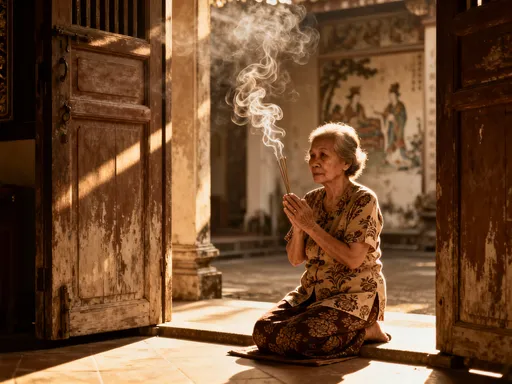
Visitors to Kinsho-ji often speak of the quiet intensity of the space — the way incense curls through the air, the soft chime of a distant bell, the feeling of being enveloped by stillness. This is not a tourist spectacle; it is a living place of practice and reflection. Local residents come to pray, meditate, or simply sit in silence. The temple also hosts seasonal ceremonies, such as Obon in summer, when families honor ancestors with offerings and lanterns. These moments offer travelers a rare glimpse into the continuity of Japanese spiritual life, where the past is not remembered — it is lived.
Another essential stop is Nissekiji Temple, known for its connection to the Tendai school of Buddhism and its tranquil garden setting. Unlike grander temples in Kyoto or Nara, Nissekiji exudes humility and quiet dignity. Its moss garden, carefully maintained for generations, invites contemplation with its soft green textures and subtle symmetry. The temple’s abbot occasionally offers short talks in simple Japanese (with translation available upon request), explaining core Buddhist principles like impermanence and compassion. These quiet exchanges, though brief, often leave a lasting impression on visitors seeking meaning beyond sightseeing.
Walking through these sacred spaces, one begins to understand how spirituality in Japan is woven into the fabric of daily life. It’s not confined to specific hours or holidays — it’s present in the care taken to sweep a courtyard, the offering of a coin at a shrine, or the bow before entering a hall. Atami’s temples don’t just preserve history; they sustain it, offering a space where modern travelers can reconnect with something deeper — a rhythm older than schedules, quieter than notifications.
Art with Soul: Discovering Atami’s Hidden Galleries and Museums
Atami’s artistic legacy is best embodied by the MOA Museum of Art, a cultural jewel perched on a hilltop with sweeping views of Sagami Bay. Designed by renowned architect Yoshiro Taniguchi, the museum blends seamlessly into its surroundings, its stone pathways and reflecting pools enhancing the sense of harmony between art and nature. Inside, the collection spans centuries of Japanese creativity, from delicate Edo-period paintings to exquisite ceramics and calligraphy masterpieces. Among the highlights is a National Treasure scroll depicting the *Tale of Genji*, its faded colors whispering stories of courtly life and poetic longing.
What makes the MOA experience exceptional is its pacing and atmosphere. Unlike crowded metropolitan museums, this space encourages slowness. Visitors are invited to pause, reflect, and truly see. Benches are thoughtfully placed before key works, and natural light filters through skylights in a way that honors the original viewing conditions of the pieces. Temporary exhibitions often focus on themes like “Nature and Spirituality” or “The Aesthetics of Imperfection,” deepening the connection between art and Japanese philosophy. The museum café, with its matcha and seasonal wagashi, extends the experience into a full sensory journey.
Yet Atami’s art scene extends far beyond this single institution. Scattered through the city’s backstreets are small, independent galleries that thrive on personal expression and local connection. In narrow alleys near the cable car station, you might stumble upon a family-run space where a potter displays hand-thrown ceramics inspired by ocean waves and volcanic rock. Another gallery, tucked above a tea shop, features ink paintings by a retired schoolteacher whose work captures the changing moods of Mount Fuji across seasons.
These intimate venues are not designed for mass appeal — they exist because someone loves to create and share. Many artists welcome visitors with quiet warmth, offering insights into their process without the formality of a tour. Some even invite guests to try a brushstroke or shape a piece of clay. These moments of connection transform art from something to observe into something to feel. In a world of digital reproductions and fast consumption, Atami’s art spaces remind us that beauty gains meaning when it is encountered slowly, personally, and with respect.
Living Culture: Traditional Crafts and Hands-On Experiences
One of the most rewarding aspects of visiting Atami is the opportunity to participate in traditional crafts, not as a spectator, but as a learner. These experiences go far beyond souvenir-making — they are gateways into Japanese values of patience, precision, and mindfulness. Among the most accessible is washi paper-making, offered at several cultural centers and workshops throughout the city. Using mulberry fibers and wooden molds, participants learn the delicate process of forming sheets by hand, feeling the resistance of the pulp and the rhythm of the motion. The resulting paper, slightly uneven and full of texture, carries the mark of the maker — a quiet rebellion against mass production.
Another deeply immersive experience is the traditional tea ceremony, or *chanoyu*. Conducted in quiet tea houses with tatami floors and tokonoma alcoves, these sessions are led by practitioners who have studied for decades. Every movement — from the folding of the silk cloth to the whisking of matcha — follows a precise choreography rooted in Zen principles. Visitors are guided through each step, learning not just the “how” but the “why” behind the ritual. The bitterness of the tea, the warmth of the bowl, the silence between sips — all become part of a meditation on presence.
Booking these experiences in advance is recommended, as spaces are limited and often filled by locals and dedicated cultural travelers. Most sessions last between 60 and 90 minutes and are conducted in Japanese, though many providers offer English handouts or have bilingual assistants available. What’s important is not fluency in language, but openness in spirit. These activities are not about perfection — they are about participation, about placing your hands where others have placed theirs for generations.
Other workshops include ikebana (flower arranging), where the arrangement of a few stems becomes a lesson in balance and restraint, and shodō (calligraphy), where the pressure of the brush reveals the state of the mind. These crafts are not relics — they are living traditions, sustained by people who believe in their value. By taking part, visitors do more than make a keepsake; they carry a piece of Atami’s culture home in their memory and muscle.
The Rhythm of the City: Festivals and Seasonal Traditions
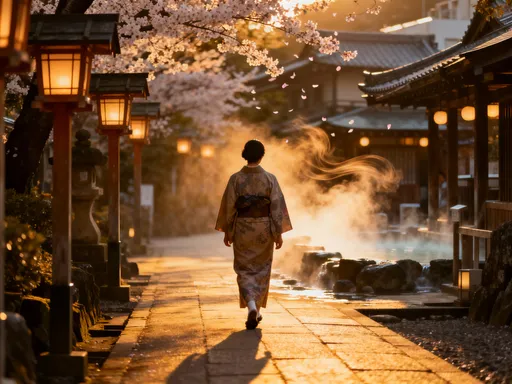
Atami’s cultural heartbeat is most audible during its seasonal festivals, when the city comes alive with color, sound, and shared joy. The most celebrated of these is the Atami Plum Festival, held annually from late January to mid-February. Atami Koen (Atami Park), home to over 40 varieties of plum trees, bursts into bloom with delicate white, pink, and red blossoms. Unlike cherry blossoms, which draw massive crowds in Tokyo, plum blossoms attract a more contemplative audience — gardeners, poets, and elders who appreciate their subtle fragrance and early arrival.
The festival includes nighttime illuminations, where soft lights highlight the branches, creating a dreamlike atmosphere. Visitors stroll along winding paths, sipping hot amazake (sweet fermented rice drink) and listening to live performances of koto and shamisen music. Local artisans set up stalls selling handmade goods, and children participate in calligraphy contests. The mood is gentle, unhurried — a celebration of resilience, as plum blossoms are the first to bloom after winter, symbolizing hope and renewal.
Another highlight is the Atami Sea Fireworks Festival, held in summer over the bay. Thousands gather on the waterfront to watch the sky explode in color, reflected in the calm waters below. Unlike commercial shows, this event is deeply rooted in local tradition, originally held to honor fishermen and pray for safety at sea. The rhythms of taiko drums echo through the night, and families spread out on blankets, sharing bento boxes and cold drinks. It’s a moment of collective joy, where generations come together under the same sky.
These festivals are not staged for tourists — they are expressions of community identity. While visitors are welcome, the focus remains on local participation. Travelers who time their visit to coincide with these events gain a rare window into Japanese seasonal consciousness, where nature’s cycles shape human rhythms. There’s no need to plan every detail; simply being present, respectful, and open is enough to feel included.
Where to Stay and How to Move: Blending Comfort with Cultural Immersion
Choosing where to stay in Atami can deepen your cultural experience as much as the activities you pursue. The city offers a range of accommodations, from centuries-old ryokan to modern hotels with Japanese design elements. Staying in a traditional ryokan is perhaps the most immersive option. These inns often feature private onsen baths, tatami-matted rooms, and kaiseki dinners served on lacquered trays. The ritual of removing shoes, folding futons, and receiving tea from a kimono-clad attendant becomes part of the journey — a daily reminder to move with care and gratitude.
Many ryokan are located on hillsides, offering panoramic views and a sense of seclusion. Others are near the station, ideal for travelers who want convenience. For those seeking modern comfort with cultural touches, several boutique hotels incorporate elements like sliding shoji screens, indoor rock gardens, and locally sourced breakfasts. Some even offer morning yoga or meditation sessions, aligning with Atami’s reputation as a wellness destination.
Getting around Atami is straightforward and scenic. The city is well-connected by rail, with direct access from Tokyo via the Tokaido Line. Once there, the Atami Cable Car provides a charming way to ascend to higher neighborhoods and temples, offering views of the bay with every climb. Local buses serve major sites, but the best way to explore is on foot. Well-marked walking trails connect the station, the port, the MOA Museum, and key temples. Comfortable shoes are essential, as the terrain is often steep, but the pace encourages mindfulness — every step reveals a new detail, a hidden shrine, a view worth pausing for.
For longer excursions, rental bicycles are available near the station and offer a flexible way to explore the coastline. The key to enjoying Atami is not speed, but rhythm. Allow time between visits to sit in a café, write in a journal, or simply watch the waves. The city rewards slowness, revealing its layers to those who are not in a hurry.
Why Cultural Travel in Atami Changes How You See Japan
Traveling through Atami does more than fill a passport with stamps — it reshapes the way one understands Japan. In a country often seen through the lens of bullet trains, neon cities, and iconic landmarks, Atami offers a counter-narrative: one of quiet beauty, deep continuity, and human-scale living. It reminds us that culture is not only found in grand museums or famous shrines, but in the way a shopkeeper arranges flowers, the care taken in folding a napkin, or the silence between two people sharing tea.
This kind of travel fosters mindfulness. It pulls us out of the checklist mentality — “I’ve seen Mount Fuji, I’ve visited a temple” — and invites us into presence. In Atami, you begin to notice the texture of time, the way traditions are not preserved like artifacts, but lived with quiet pride. You learn that a hot spring is not just for soaking muscles, but for calming the mind. That a painting is not just to be photographed, but to be sat with. That a festival is not just a show, but a shared breath of the community.
For women in their 30s to 50s — often balancing family, work, and personal well-being — Atami offers a rare gift: space. Space to breathe, to reflect, to reconnect with what matters. It’s a place where you can walk alone without feeling unsafe, sip tea without distraction, or write postcards with real thought. The pace matches a desire for meaning over momentum, for depth over distance.
And perhaps most importantly, Atami teaches the value of listening. Not just with ears, but with all the senses. To hear the wind through bamboo, the scrape of a broom on stone, the distant call of a ferry horn. To see the way light changes on the water at different hours. To feel the warmth of wood under hand, the silkiness of handmade paper, the steam rising from a cup. These small moments accumulate into a larger understanding — that culture is not something you consume, but something you enter, like a garden you walk through slowly, noticing each leaf.
Atami doesn’t shout — it whispers. And if you listen closely, its culture reveals layers worth savoring, one temple bell, one brushstroke, one quiet moment at a time.