Wander Through Wrocław: Where Culture Lives in Every Public Square
You know that feeling when a city just gets you? Wrocław did that to me. Beyond its colorful buildings and river views, it’s the public spaces—squares, parks, bridges—that pulse with local life. I never expected such warmth in a place where history and modernity shake hands so naturally. From open-air pianos to street artists turning sidewalks into stages, Wrocław’s culture isn’t locked in museums. It’s outside, alive, and inviting everyone in. This is urban living with soul.
The Heartbeat of the City: Rynek as a Living Room
At the center of Wrocław lies the Rynek, one of the largest market squares in Europe, spanning over 20,000 square meters. Encircled by pastel-hued townhouses with ornate gables and intricate facades, this grand plaza feels less like a tourist attraction and more like a communal living room where life unfolds in real time. The cobblestone surface, worn smooth by centuries of footsteps, absorbs the rhythm of daily life—children chasing pigeons, elders sipping coffee at sidewalk tables, musicians tuning violins under the shadow of the Old Town Hall’s towering spire. Unlike some historic squares that feel preserved behind glass, the Rynek is vibrantly in use, a stage for both routine and celebration.
What makes the Rynek so compelling is how effortlessly it balances heritage with humanity. The architecture, restored with care after the devastation of World War II, serves not as a monument frozen in time but as a backdrop for contemporary life. Cafés with wrought-iron chairs spill onto the pavement, their patrons soaking in the sun or retreating under striped awnings during sudden spring showers. In the mornings, local vendors set up stands selling fresh flowers, honey, and handmade soaps, creating a farmers’ market that feels both authentic and inviting. By evening, the square transforms—lanterns glow, the scent of grilled sausages drifts from food kiosks, and the sound of live jazz floats from a pop-up stage near the central fountain.
Seasonal events deepen the square’s role as a cultural anchor. During Christmas, the Rynek hosts one of Poland’s most beloved markets, where wooden stalls glow with fairy lights and the air is spiced with mulled wine and roasted chestnuts. In summer, open-air film screenings draw families with blankets and picnic baskets, turning the space into an impromptu cinema under the stars. These moments are not curated for tourists alone; they reflect a city that values shared experience. The coexistence of locals and visitors here is seamless, built on mutual respect and a shared appreciation for the square’s energy. This is not spectacle for consumption—it is culture in motion, sustained by the people who claim it as their own.
Islands of Connection: Wrocław’s Riverine Urban Fabric
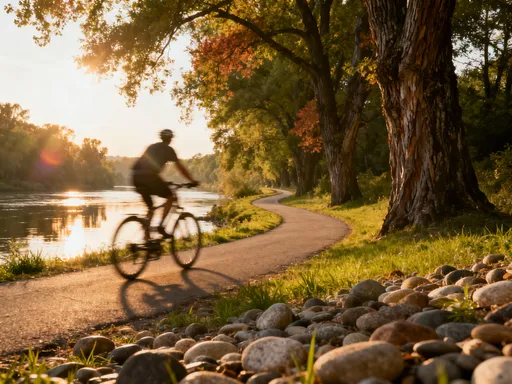
The Oder River does not merely flow through Wrocław—it defines it. With over 100 bridges linking more than 12 islands, the city’s geography is one of division and unity, where waterways serve as connectors rather than barriers. This intricate network of islands and crossings fosters a unique urban rhythm, one that invites exploration on foot, by bicycle, or simply from a bench overlooking the gently moving current. The riverbanks are not afterthoughts; they are integral to the city’s identity, offering space for leisure, reflection, and quiet connection in the midst of urban life.
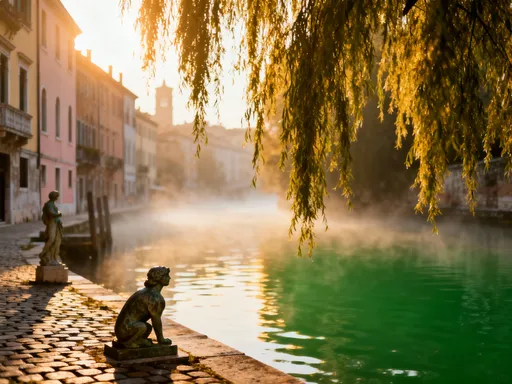
Among the most cherished of these spaces is Wyspa Piasek, or Sand Island, a green oasis nestled in the heart of the city. Once home to monasteries and now a haven for walkers and nature lovers, the island is lined with willow trees and winding paths that lead to hidden benches and quiet glades. In spring, daffodils bloom in golden waves, and in autumn, the trees blaze in copper and crimson. The atmosphere is serene, yet never isolated—couples stroll hand in hand, joggers pass with steady breath, and parents push strollers along the paved trails. The island’s tranquility is a deliberate contrast to the bustle of the Rynek, offering a different kind of cultural experience: one rooted in peace and natural beauty.
Equally symbolic is the Tumski Bridge, often called the “Bridge of Love” for the thousands of padlocks attached to its railings by couples pledging their affection. While similar traditions exist in other cities, here the gesture feels more intimate, less commercialized. The bridge connects the historic Cathedral Island with the rest of the city, a literal and metaphorical link between past and present. As visitors pause to affix a lock or simply gaze at the river, they become part of a quiet ritual of connection—not just romantic, but communal. The Oder’s presence encourages slowness, inviting residents and guests alike to pause, breathe, and engage with the city on a human scale. Whether it’s a morning kayak tour, a winter ice-skating path along the frozen banks, or a summer picnic on a grassy embankment, the river’s spaces are designed for participation, not observation.
Street Art as Public Dialogue
In Wrocław, art doesn’t wait to be found in galleries—it leaps out from alleyways, peeks from behind lampposts, and grins from the base of a lamppost. The city’s most iconic street art takes the form of the krasnale, or dwarfs—over 300 small bronze statues scattered across neighborhoods, each with its own personality and story. One rides a bicycle, another plays a tuba, and a third holds a tiny umbrella against the rain. These whimsical figures began as a subtle act of resistance during the Solidarity movement, symbolizing the underground spirit of dissent. Today, they are beloved emblems of civic pride, drawing both children and adults into a playful treasure hunt that turns the entire city into an open-air museum.
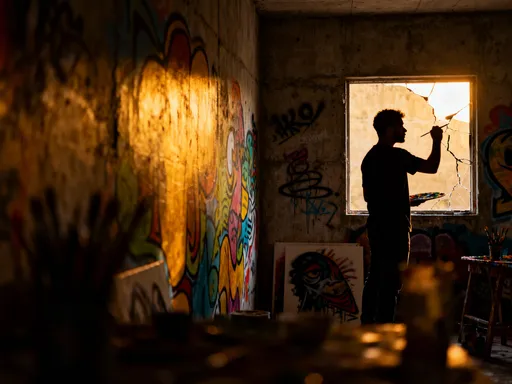
The evolution of the dwarf statues reflects Wrocław’s broader embrace of street art as a legitimate and valuable form of public expression. What once existed on the margins—graffiti, stencil work, unauthorized murals—has been gradually integrated into the city’s cultural planning. Local artists are now commissioned to create large-scale murals that transform blank walls into vibrant narratives, often depicting historical figures, folklore, or environmental themes. These works are not merely decorative; they spark conversation. A mural of a woman weaving a tapestry of stars might prompt a grandmother to explain Slavic legends to her grandchild. A painted river teeming with fish might inspire a school group to discuss water conservation.
What makes this art so effective is its accessibility. Unlike museum exhibits that require tickets and quiet reverence, street art demands nothing but attention. It appears at eye level, in everyday contexts, inviting interaction rather than passive viewing. Children mimic the poses of the dwarfs; tourists photograph them with delight; locals point them out to visitors with quiet pride. The city even publishes maps to help people discover new statues, turning exploration into a shared ritual. In this way, Wrocław’s streets become a living dialogue—a conversation between artist and viewer, past and present, individual and community. Culture is not something you consume here; it is something you walk into, stumble upon, and become part of.
Green Spaces That Breathe With the City
If the Rynek is Wrocław’s heart and the Oder its veins, then its parks are its lungs—spaces that allow the city to breathe, rest, and regenerate. Chief among them is Szczytnicki Park, a sprawling 100-hectare expanse that serves as both a recreational sanctuary and a cultural destination. Established in the 19th century, the park has evolved into a multifunctional space where nature and community intersect. Families gather for weekend picnics, students read beneath ancient oaks, and joggers trace the tree-lined paths that weave through meadows and ponds. But Szczytnicki is more than just greenery—it is a stage for public life.
At its center lies the Japanese Garden, one of the largest of its kind in Europe. Created in the 1910s, the garden is a masterpiece of balance and harmony, with koi-filled ponds, arched bridges, and carefully pruned pines. Visitors walk slowly here, drawn into a meditative pace by the rustle of bamboo and the soft chime of a distant wind bell. The garden hosts traditional tea ceremonies during cultural festivals, offering a rare opportunity to experience Japanese aesthetics within a Central European context. Yet, it is not treated as an exotic exhibit; rather, it is integrated into the city’s cultural fabric, symbolizing Wrocław’s openness to global influences while maintaining its own identity.
Throughout the year, Szczytnicki Park comes alive with events that draw thousands. Summer brings open-air concerts featuring classical, jazz, and folk music, with audiences sitting on blankets or folding chairs beneath the trees. Film screenings under the stars attract multigenerational crowds, while seasonal festivals celebrate everything from honey to herbs. These gatherings are free and open to all, reinforcing the park’s role as a truly democratic space. Unlike privatized entertainment venues, the park belongs to everyone. Its accessibility—flat paths, ample seating, clean restrooms—ensures that elderly visitors, parents with strollers, and people with mobility challenges can all participate. In a world where public space is increasingly commodified, Szczytnicki stands as a reminder of what cities can offer when they prioritize inclusion and well-being.
Cultural Events in Shared Places
Wrocław’s calendar is rich with events that transform its public spaces into temporary stages for joy, creativity, and connection. These gatherings are not confined to official institutions or ticketed venues; they unfold in the very places where people live and move. The Festival of Good Beer, for instance, turns a corner of the Rynek into a lively beer garden each summer, where craft brewers from across Poland and Europe showcase their brews. But this is no rowdy party—it is a celebration of craftsmanship, with tastings, live music, and food trucks offering regional specialties. Families attend, children play in designated zones, and locals strike up conversations with strangers over shared tables.
Similarly, the annual outdoor film festival transforms parks and courtyards into open-air cinemas. Screens are set up in Szczytnicki Park, on the grounds of historic buildings, and even on the banks of the Oder. Films range from Polish classics to international hits, all shown with subtitles. Admission is free, and the atmosphere is relaxed—people bring their own blankets, snacks, and thermoses of tea. These events foster a sense of collective experience, a reminder that culture is not something distant or elite, but a shared inheritance. Even in winter, the city finds ways to animate its spaces. Christmas markets, ice sculptures, and light installations turn the cold months into a season of warmth and wonder.
What sets Wrocław apart is its commitment to temporary, low-cost, high-impact programming. Pop-up installations—a glowing tree made of recycled bottles, a sound garden with wind-activated chimes—appear unexpectedly, delighting residents and encouraging exploration. These projects often involve local artists and community groups, ensuring that the city’s cultural offerings reflect its diverse voices. Vendors are prioritized over corporate sponsors, keeping the focus on authenticity. This approach makes culture accessible, not just in terms of cost, but in spirit. It says: this space is yours. You belong here. Whether you’re watching a play in a park, dancing at a street festival, or simply watching children laugh at a puppet show, you are not a spectator—you are a participant.
Designing for People: Urban Planning With a Human Touch
The magic of Wrocław’s public spaces is not accidental—it is the result of deliberate, people-centered urban planning. For decades, city officials have prioritized walkability, accessibility, and human comfort in their design choices. Large sections of the Old Town are car-free, allowing pedestrians to move freely without the noise and danger of traffic. Wide sidewalks, smooth paving, and tactile guidance paths make navigation easier for people with visual impairments. Benches are plentiful, strategically placed in sunny spots and shaded groves, inviting rest and conversation. Public restrooms are clean and well-maintained, a small but significant detail that enhances dignity and comfort.
The city’s bike-sharing system, Nextbike, offers hundreds of rental stations across Wrocław, making sustainable transportation convenient and affordable. Dedicated bike lanes run alongside major roads and through parks, connecting neighborhoods safely. For those who prefer public transit, trams glide silently through the city, their routes designed to minimize walking distance to key destinations. These systems work together to create a seamless, low-stress experience for residents and visitors alike. But beyond infrastructure, it is the small touches that reveal the city’s priorities: a drinking fountain shaped like a dwarf, a chess table embedded in a park pathway, a public piano waiting to be played.
These details matter because they signal respect. They say: we thought of you. We want you to feel welcome, safe, and seen. In many cities, public space is treated as an afterthought—functional but impersonal. In Wrocław, it is treated as a shared home. This philosophy extends to maintenance and safety; well-lit pathways, regular cleaning, and the presence of friendly city ambassadors ensure that spaces feel secure at all hours. The result is a city where people of all ages and backgrounds feel entitled to be present, to linger, to belong. When urban design prioritizes people over vehicles, profit, or prestige, the outcome is not just efficiency—it is dignity.
A Model for Modern European Cities?
Wrocław may not be as famous as Paris or Prague, but in its thoughtful integration of history, nature, and community, it offers a powerful model for mid-sized European cities seeking to balance growth with authenticity. Its success lies not in grand gestures, but in consistent, human-scaled decisions—preserving historic facades while adapting them for modern use, supporting grassroots art while investing in infrastructure, hosting festivals that are inclusive rather than exclusive. Other cities can learn from its emphasis on accessibility, its willingness to experiment with temporary culture, and its deep respect for the everyday needs of its residents.
Perhaps the most valuable lesson is this: a city becomes lovable not through monuments or marketing, but through moments of connection. It is the elderly couple sharing a bench by the river, the child discovering a dwarf statue for the first time, the stranger who joins in singing along to a street musician’s tune. These are not planned events—they are the spontaneous byproducts of well-designed, well-loved spaces. Wrocław proves that culture does not have to be formal or distant. It can be as simple as a shared smile in a sunlit square, a quiet walk across a bridge at dusk, or the sound of laughter rising from a park on a summer evening.
In a world where urban life often feels fragmented and fast, Wrocław offers a different rhythm—one that values slowness, participation, and belonging. Its public spaces are not just places to visit, but places to live in. They remind us that the soul of a city is not found in its skyline, but in the way it welcomes you to be part of its story. When culture lives in every square, every bridge, every park bench, the city doesn’t just function—it flourishes. And in that flourishing, so do the people who call it home.