Where Art Meets Wild: Ljubljana’s Hidden Natural Masterpieces
You know that feeling when a city surprises you? Ljubljana did exactly that. I went for the cobblestone charm and left in awe of how art and nature blend here so effortlessly. Think emerald rivers, forested hills whispering ancient stories, and murals blooming like wildflowers. This isn’t just a capital—it’s a canvas where every path leads to beauty. If you’re craving a European escape that feeds both soul and senses, this is it. Let me show you why.
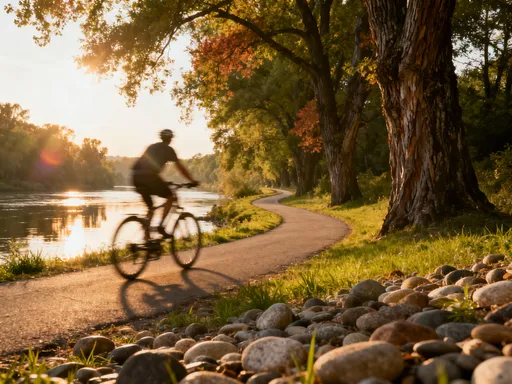
The Heartbeat of the City: Ljubljanica River as Living Art
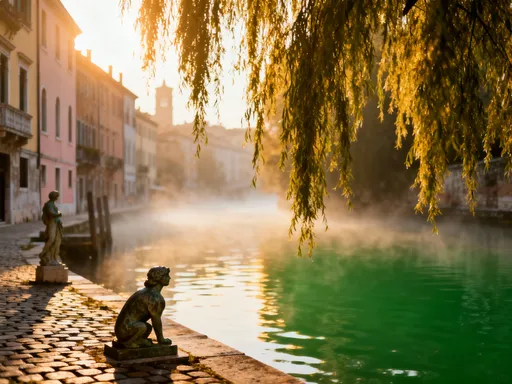
The Ljubljanica River is more than a waterway—it’s the city’s creative pulse. Winding through the heart of Ljubljana like a silver thread through green velvet, it carries not just water, but inspiration. Along its banks, every bridge tells a story, and every bend reveals a new artistic expression. Stone dragons guard the Triple Bridge, their scales glinting in the sun, while nearby, contemporary sculptures—some abstract, others whimsical—rise from the riverbanks as if grown from the earth itself. These are not static monuments, but living elements of a city that treats public space as a gallery.
Local artists have long embraced the river as both muse and medium. Seasonal installations, often crafted from reclaimed wood, recycled metal, or biodegradable materials, appear like secret gifts along the promenade. In spring, floral mosaics bloom in floating gardens; by summer, kinetic wind sculptures dance above the water, their gentle creaks harmonizing with the lapping waves. These eco-art projects reflect a deeper philosophy: that beauty and sustainability can coexist. The city’s commitment to environmental preservation enhances, rather than limits, its artistic output, proving that creativity thrives within thoughtful boundaries.
Walking along the river paths, you don’t just observe art—you experience it as part of a larger ecosystem. Willows dip their fingers into the current, their reflections mingling with painted murals on old warehouse walls. A bench carved from fallen oak invites quiet contemplation; nearby, a sound installation captures the river’s murmurs and plays them back in soft loops, like nature remembering itself. This is not a curated exhibit behind glass, but an unfolding dialogue between human imagination and the natural world. For visitors, especially those seeking meaningful travel experiences, the Ljubljanica offers a rare gift: the sense of being part of something alive, evolving, and deeply connected.
Tivoli Park: Where Urban Greenery Becomes a Cultural Stage
Just west of the city center, Tivoli Park unfolds like a green embrace. As Ljubljana’s largest public park, it spans over 30 hectares of meadows, tree-lined avenues, and quiet forest paths. But Tivoli is more than a retreat from urban life—it is a dynamic cultural space where nature and art perform a seasonal duet. In spring, cherry blossoms drift like pink snow over walking trails, while in autumn, golden beech leaves carpet the ground beneath open-air sculpture displays. The park is not preserved in stillness, but celebrated in motion, constantly reshaped by temporary exhibitions, music festivals, and community art projects.
Each year, the Tivoli Mansion, an elegant 18th-century villa nestled within the park, hosts rotating art exhibitions that often draw inspiration from the surrounding landscape. Sculptures made of stone, steel, or woven willow appear along the pathways, some designed to blend seamlessly into the foliage, others standing in bold contrast. A favorite among locals is the sculpture trail that winds through the woods, where each piece invites pause and reflection. One installation, a mirror-polished dome half-buried in moss, reflects the sky and treetops in unexpected ways, reminding visitors that beauty often lies in perspective.
Evenings bring another layer of artistry. During summer months, open-air concerts fill the park with classical music, jazz, and folk melodies, the acoustics enhanced by the natural amphitheater of trees and hills. Children dance barefoot on the grass, families picnic under chestnut trees, and elderly couples stroll along fountains that shimmer with colored lights after dusk. These moments are not staged for tourists, but lived by residents—a testament to how deeply art and nature are woven into daily life. For a woman in her forties or fifties seeking balance and inspiration, Tivoli offers a rare harmony: the peace of nature, the joy of community, and the quiet thrill of discovering art where you least expect it.
Rožnik Hill: A Sanctuary Where Nature Inspires Creation
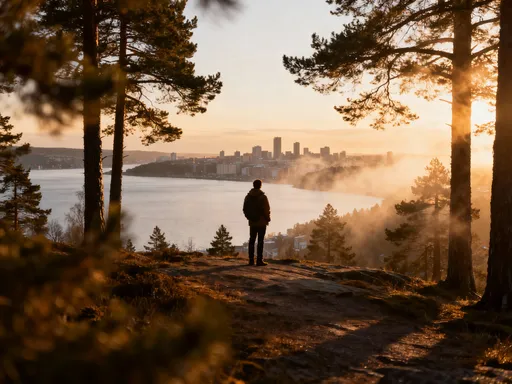
Rising gently above the city, Rožnik Hill is a place of stillness and reverence. Its forested slopes, threaded with stone paths and ancient oaks, have long drawn poets, painters, and seekers of quiet. At its summit stands the Chapel of St. Mary, a small white church surrounded by wildflowers and the soft hum of bees. This is not a tourist attraction in the conventional sense, but a sanctuary where the air feels different—cleaner, clearer, charged with a sense of timelessness. For generations, Slovenian artists have come here to escape noise and rediscover clarity, finding in the hill’s quietude the space to create.
The connection between Rožnik and creativity is not merely anecdotal. Literary figures like the poet Srečko Kosovel once wandered these trails, their verses shaped by the rustle of leaves and the scent of damp earth. Today, contemporary artists continue this tradition, leaving subtle marks along the paths—small shrines made of stone and wood, poetry carved into bark, or temporary land art that fades with the seasons. One such installation, a spiral of river stones arranged at a forest clearing, echoes ancient symbols of renewal, inviting visitors to walk its path in silent meditation.
Hiking Rožnik is an act of gentle discovery. The trail begins near Tivoli and climbs steadily, offering panoramic views of Ljubljana’s red rooftops nestled between hills. Along the way, benches made from local timber invite rest, each inscribed with quotes from Slovenian writers or naturalists. One reads: “To walk in the forest is to remember who you are.” For the modern traveler—often overwhelmed by speed and screens—this hill offers something essential: the chance to slow down, breathe deeply, and reconnect with a quieter rhythm of life. It is not about reaching the top, but about noticing the fern unfurling by the path, the woodpecker’s distant tap, the way sunlight filters through the canopy like liquid gold.
The Green Ring: How City Design Turns Nature into Public Art
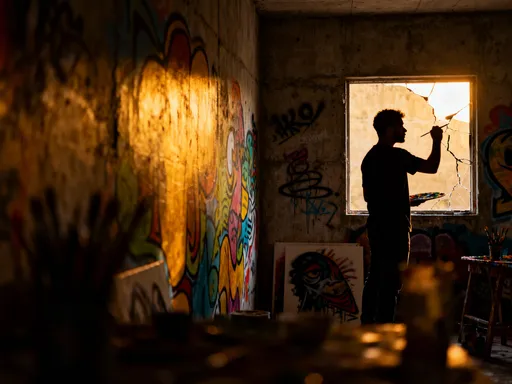
Ljubljana’s transformation into one of Europe’s greenest capitals is no accident—it is the result of deliberate, visionary urban planning. At its core is the Green Ring, a continuous belt of parks, gardens, and pedestrian paths that encircles the historic center. Once lined with traffic-choked roads, this zone was reimagined in the 2010s as a car-free sanctuary, prioritizing people over vehicles. Today, it is a seamless blend of ecology and aesthetics, where ivy climbs on modern plant walls, wildflowers bloom in repurposed roundabouts, and street art flourishes on once-dull concrete.
This integration of nature and art is not superficial, but structural. The city’s architects and planners have embraced biophilic design principles, ensuring that greenery is not an afterthought but a foundational element. Buildings feature living roofs and vertical gardens that regulate temperature and support pollinators. Streetlights double as trellises for climbing vines. Even stormwater is managed artistically, with rain gardens and permeable pathways that mimic natural drainage systems. These choices are not just practical—they are poetic, turning infrastructure into quiet acts of beauty.
The result is a city that feels both orderly and alive. As you walk from the river to the market square, you pass murals depicting forest spirits, mosaic benches made from recycled tiles, and flower beds arranged in flowing patterns that echo river currents. Children chase butterflies in mini-meadows planted along sidewalks; elders sip coffee in courtyards shaded by ancient plane trees. This is urban life at its most humane—designed not for efficiency alone, but for joy, health, and inspiration. For women who value both practicality and beauty, Ljubljana’s Green Ring offers a powerful example: that cities can be both functional and soulful, modern and deeply connected to the natural world.
Beyond the City: Postojna Cave & Škocjan Caves – Nature’s Sculptural Wonders
Just an hour from Ljubljana, two extraordinary cave systems reveal nature’s mastery as an artist. Postojna Cave and Škocjan Caves, both UNESCO-protected, are not dark, forbidding tunnels, but vast underground cathedrals carved by water over millions of years. Their stalactites and stalagmites rise like frozen fountains, their arched chambers echo with the soft drip of mineral-rich water, and their scale inspires awe. These are not just geological wonders—they are natural sculptures, shaped by time and chemistry, often compared to the works of Michelangelo or Gaudí for their intricate beauty.
Postojna Cave, one of the longest show caves in Europe, welcomes visitors on a train ride that glides deep into the mountain. Along the way, guides point out formations with poetic names: “The Concert Hall,” where acoustics amplify whispers into song; “Brilliant,” a glowing column illuminated to reveal its crystalline layers; “The Human Brain,” a surreal cluster of ripples that seems to pulse with life. What sets Postojna apart is its integration of art and science. Sound installations enhance the experience, with ambient music composed to reflect the cave’s rhythms. At one stop, visitors stand in silence as a recording of the cave’s natural sounds—dripping water, distant echoes—plays through hidden speakers, creating a meditative moment of connection.
Škocjan Caves, less visited but equally breathtaking, take the experience further. Here, the Reka River vanishes underground, carving a canyon so vast it has its own microclimate. Walkways cling to cliff faces hundreds of feet above the churning water, offering views that feel more like flying than walking. The caves are also a site of cultural significance, with ancient pathways and ritual markings suggesting they were sacred spaces for early inhabitants. Today, guided tours emphasize preservation and reverence, asking visitors to move quietly, speak softly, and leave no trace. For those seeking depth in travel—beyond postcard sights—Škocjan offers a rare encounter with the sublime, a reminder that the most powerful art is sometimes made not by hands, but by time and water.
Local Artisans and Nature: Craftsmanship Rooted in the Landscape
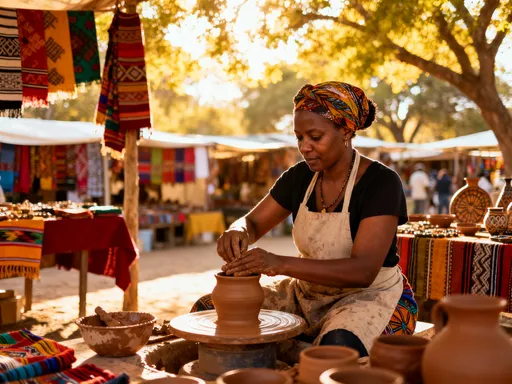
In Ljubljana, art is not confined to galleries—it lives in the hands of local makers who draw directly from the land. Across the city, small studios and weekend markets showcase craftsmanship shaped by Slovenia’s forests, rivers, and seasons. Woodworkers carve spoons, bowls, and toys from cherry, walnut, and ash, their grains polished to reveal natural patterns. Potters shape clay from riverbeds into rustic mugs and vases, often glazing them in earthy greens and blues that mirror the surrounding hills. Herbalists blend wild thyme, sage, and linden flowers into soothing salves and teas, packaging them in hand-printed paper adorned with botanical sketches.
One of the best places to experience this tradition is the Central Market, designed by the architect Jože Plečnik. Along the Ljubljanica, under arched colonnades, vendors sell honey harvested from alpine meadows, hand-knitted woolens dyed with plant pigments, and beeswax candles molded into floral shapes. These are not souvenirs mass-produced elsewhere, but objects made with care, often by the same hands that grew or gathered the materials. A conversation with a maker often reveals a deeper story: the grandmother who taught them the recipe, the forest path where they collect mushrooms for dye, the belief that working with nature is a form of gratitude.
This ethos reflects a broader Slovenian value: that people are not separate from nature, but part of its cycle. It’s seen in the way bakeries use locally milled flour, in the community gardens tucked between apartment blocks, in the school programs that teach children to identify native plants. For women who appreciate authenticity and sustainability, these artisans offer more than products—they offer a philosophy. To buy a hand-carved wooden spoon is not just to own an object, but to participate in a tradition of mindful creation, where beauty arises from respect, patience, and connection.
How to Experience It: A Practical Guide to the Art-Nature Journey
To truly feel Ljubljana’s art-nature harmony, plan a slow, intentional visit. Begin your morning with a riverside walk along the Ljubljanica, ideally before 9 a.m. when the light is soft and the city is quiet. Stop at a waterside café for a herbal tea and a slice of potica, the traditional nut roll, as swans glide past. By midday, head to Tivoli Park—enter from the Cankarjeva Street gate and follow the sculpture trail toward the Tivoli Mansion. If an exhibition is open, allow time to wander through it; if not, enjoy the open-air displays and find a bench beneath the chestnut trees for a light lunch.
In the afternoon, hike Rožnik Hill from the park’s western edge. Wear comfortable shoes, bring water, and allow at least an hour for the round trip. Pause at the chapel, leave a small stone on the offering pile as a quiet gesture of respect, and take in the view from the observation platform. For dinner, explore the open-air stalls at the Farmers’ Market near the Triple Bridge, where you can taste local cheeses, pickled vegetables, and fresh bread baked that morning.
If time allows, take a day trip to Škocjan Caves. Public buses run regularly from Ljubljana’s main station, and the journey takes about 90 minutes. Book a guided tour in advance, as access is limited to protect the ecosystem. Wear layers—the cave is cool year-round—and bring a light jacket. Afterward, visit the visitor center’s small gallery, which features rotating exhibits on cave ecology and local art inspired by the landscape.
For eco-conscious travelers, Ljubljana offers excellent public transport, including electric buses and a free city bike system. Many guesthouses and boutique hotels emphasize sustainability, using solar power, organic linens, and locally sourced breakfasts. To avoid crowds, visit between late September and early November, when the leaves turn and the city glows in golden light. And remember: the best experiences here are not rushed. Sit on a bench by the river and watch the light change. Let a mural pull you into a side street. Allow the city to reveal itself, not through a checklist, but through quiet moments of discovery.
Conclusion
Ljubljana proves that beauty thrives where creativity and nature coexist. It doesn’t shout its wonders—it reveals them gently, through moss-covered statues, sunlit groves, and caves that echo with time. This city doesn’t just preserve art or protect nature; it lets them dance. For travelers seeking depth over flash, authenticity over crowds, Ljubljana is a quiet masterpiece waiting to be felt, not just seen. Go, wander slowly, and let the landscape speak.