You Won’t Believe These Hidden Natural Escapes in Toulouse
Toulouse isn’t just about pink rooftops and city strolls—trust me, I was surprised too. Just beyond the bustling streets lie untouched natural spots that feel like secrets whispered by the land itself. From sun-drenched riverbanks to quiet forest trails, these hidden green havens offer peace, beauty, and real escape. If you're craving nature without the crowds, keep reading—because Toulouse has a wild side most travelers never see.
The Urban Mirage: What Most Visitors Miss
When most travelers picture Toulouse, they envision terracotta rooftops glowing under a golden sun, the grand façade of the Basilica of Saint-Sernin, or the lively buzz of Place du Capitole. The city's reputation as the "Pink City" is well earned, and its rich history in aviation and aerospace only adds to its cosmopolitan appeal. Cafés spill onto cobblestone sidewalks, and guided tours focus on centuries-old architecture and regional cuisine. Yet, for all its celebrated urban charm, a quieter, greener dimension of Toulouse remains overlooked by many.
Just beyond the postcard-perfect center, a network of natural spaces thrives—places where birds outnumber tourists and stillness replaces city noise. These areas are not distant wildernesses but accessible sanctuaries, often only minutes from metro stops or major bus lines. They represent a different kind of travel experience: one rooted in presence, observation, and quiet discovery. While guidebooks spotlight museums and markets, locals know that some of the city’s most rewarding moments happen where the pavement ends and the trees begin.
This contrast between perception and reality is key to understanding Toulouse’s full character. The city does not end where the buildings stop. Instead, it unfolds into riverside meadows, restored wetlands, and leafy corridors that invite slow exploration. These green escapes are not afterthoughts—they are essential to the city’s identity and livability. For visitors willing to look beyond the obvious, Toulouse offers a rare gift: the chance to experience both vibrant urban life and peaceful immersion in nature, sometimes within the same afternoon.
Garonne River’s Quiet Corners: Beyond the Main Promenade
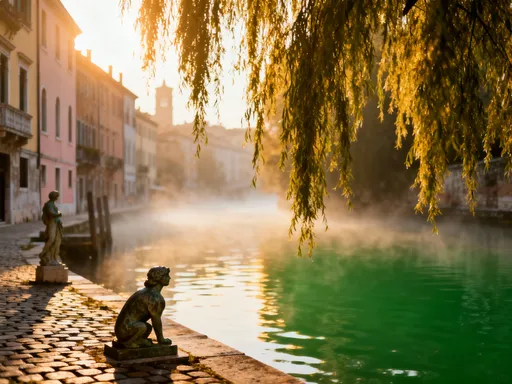
The Garonne River is central to Toulouse’s geography and spirit, winding through the heart of the city like a shimmering thread. Along its central banks, especially near Pont Neuf, the atmosphere is lively—couples stroll, street performers play, and terraces overflow with diners. But venture a little upstream or downstream, and the scene shifts dramatically. The crowds thin, the noise fades, and long stretches of the river reveal themselves as serene, almost rural landscapes.
One such hidden gem is the area around Pech David, located to the southeast of the city center. This elevated riverside zone offers sweeping views without the foot traffic. Tree-lined paths lead down to quiet gravel beaches where families spread out picnic blankets and children skip stones. Birdwatchers may spot kingfishers darting over the water or herons standing motionless in the shallows. Because it’s slightly off the main tourist route, this stretch retains a sense of intimacy and calm, even on sunny weekends.
Another peaceful retreat is the île du Ramier, a narrow island nestled in the middle of the Garonne. Accessible by footbridge from the Parc des Ramiers, it functions as a natural corridor for wildlife and a quiet pathway for pedestrians. Here, the sounds of the city are muffled by tall reeds and rustling willows. Cyclists glide by on dedicated paths, and dog walkers follow well-marked trails that loop around the island’s perimeter. The lack of commercial development preserves its wild character, making it feel like a secret garden floating in the river’s flow.
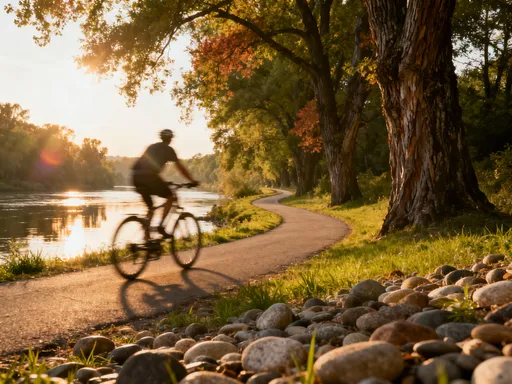
To make the most of these quieter riverside spots, timing and access matter. Early mornings and weekday afternoons offer the greatest solitude. Parking can be limited, so using public transit or a bike is often the best option. The VélôToulouse bike-sharing stations are conveniently located near key access points, and the riverside paths are well-paved and clearly signed. Whether you come to read under a tree, sketch the water’s edge, or simply breathe deeply, these overlooked corners of the Garonne remind us that nature and city life can coexist in harmony.
Boulevard des Belges to Languedoc Canal: A Green Ribbon
Running from the western edge of central Toulouse toward the famed Canal du Midi, the route along Boulevard des Belges and its connecting paths forms a continuous green corridor that feels like a hidden nature trail in plain sight. Though it passes through residential neighborhoods and crosses busy intersections, the tree canopy and well-maintained sidewalks create a surprisingly immersive experience. This corridor is not a park in the traditional sense—it’s a living ribbon of green that stitches together gardens, parks, and waterways.
The journey begins near Jardin des Plantes, one of the city’s oldest botanical spaces, where manicured lawns and flowerbeds give way to more naturalistic plantings. From there, the path follows the Canal de Brienne, a smaller, quieter cousin to the bustling Canal du Midi. Lined with plane trees and dotted with benches, this stretch attracts joggers, dog walkers, and cyclists who appreciate its gentle grade and scenic views. The water reflects the sky and swaying branches, creating a meditative rhythm as you move forward.
What makes this route feel like a hidden escape is its duality. It is fully accessible—well-lit, safe, and integrated into the city’s transit network—yet it offers the sensory qualities of a countryside trail. The air smells of damp earth and blossoms in spring, and in summer, the shade provides relief from the heat. Children play in the open fields of Parc de la Vache, while older residents practice tai chi near the water’s edge. This blend of order and spontaneity—between cultivated gardens and wilder edges—creates a dynamic, evolving landscape.
For visitors, this green ribbon offers a seamless way to experience Toulouse’s natural side without leaving the urban fabric. It’s ideal for a morning walk with coffee in hand or an evening ride as the sun dips below the trees. Along the way, small details enhance the journey: bird boxes mounted on trees, interpretive signs about local flora, and art installations tucked into groves. The route culminates at the Canal du Midi, where boats glide silently and cafés line the banks. But the real magic lies in the journey itself—a reminder that nature doesn’t have to be remote to be restorative.
The Forest of Buzet: A Local Sanctuary Just Outside Town
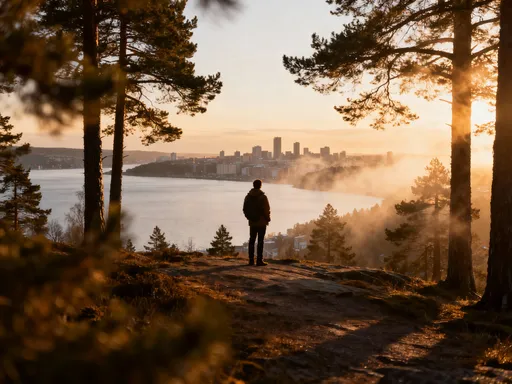
Nestled just 15 minutes by bike or bus from central Toulouse, the Forêt de Buzet is a beloved retreat for residents seeking shade, quiet, and a touch of wilderness. Unlike formal parks, this protected woodland feels untamed—its paths winding through dense groves of oak, pine, and chestnut trees. Managed by the city to preserve biodiversity, the forest is a haven for native plants and animals, and its trails welcome visitors of all ages and activity levels.
One of the forest’s greatest appeals is its accessibility combined with its sense of seclusion. Entry points are clearly marked, and the main trails are well-maintained, with informational panels about local ecology. A network of paths ranges from easy, flat loops suitable for families to more rugged routes for those seeking a deeper immersion. Benches are placed at scenic overlooks, and small wooden bridges cross gentle streams that babble in spring and slow to a trickle in summer.
Seasonal changes bring new reasons to visit. In late winter and early spring, the forest floor bursts with wildflowers—wood anemones, violets, and cyclamen—while birds return to build nests in the canopy. Summer offers dense shade and the scent of warm pine, making it a favorite spot for reading or meditation. Autumn paints the trees in gold and russet, and even in winter, the forest retains a quiet beauty, with frost-covered branches and the occasional deer crossing the path.
Facilities are intentionally minimal to preserve the natural atmosphere. There are no food vendors or playgrounds, only a few trash bins and a small parking area at the main entrance. Restrooms are not available, so visitors are advised to plan accordingly. Dogs are welcome but must be kept on leashes to protect wildlife. The absence of commercial distractions enhances the feeling of escape, allowing visitors to focus on the sounds of leaves, birdsong, and their own footsteps.
For families, the forest offers a chance to teach children about nature in a safe, unstructured environment. Parents often bring binoculars or field guides to spot birds or identify trees. School groups visit for outdoor lessons, and local organizations host guided walks during spring and fall. The Forest of Buzet is more than a green space—it’s a living classroom and a sanctuary for both people and wildlife, proving that true nature doesn’t need to be far away to be meaningful.
Parc des Ramiers: Where City Meets Wetland
One of Toulouse’s most inspiring examples of ecological renewal, Parc des Ramiers was once an industrial zone along the Garonne River. Today, it stands as a thriving wetland and a model of urban rewilding. This 35-hectare park blends constructed waterways, native vegetation, and open meadows to create a habitat where nature and city life intersect. It’s not just a place to visit—it’s a living demonstration of how cities can heal damaged landscapes and support biodiversity.
The transformation began in the early 2000s, when city planners decided to restore the area’s natural hydrology and create a green buffer between the river and surrounding neighborhoods. Wetlands were reintroduced to filter stormwater, and native plants were planted to attract pollinators and birds. The result is a dynamic ecosystem where reeds sway in the breeze, frogs chorus at dusk, and dragonflies dart over shallow pools. Over 120 bird species have been recorded here, including migratory waterfowl that stop during their long journeys.
For visitors, the park offers both beauty and purpose. Elevated boardwalks wind through the wetlands, allowing close observation without disturbing the environment. Interpretive signs explain the role of each element—from the water filtration process to the importance of deadwood for insects. Children love spotting ducks and kingfishers, while adults appreciate the quiet, reflective atmosphere. The park also includes open lawns for picnics, a children’s play area with natural materials, and a small café near the entrance.
What makes Parc des Ramiers truly special is its integration into daily life. It’s not a distant nature reserve but a neighborhood space used by joggers, dog walkers, and families. Yet, despite its accessibility, it feels wild and untamed in parts. The success of this project lies in its balance—between human use and ecological function, between design and spontaneity. It shows that cities don’t have to choose between development and nature; they can, and should, embrace both.
Getting There: Low-Carbon Routes to Hidden Nature
One of the joys of exploring Toulouse’s hidden natural spaces is how easily they can be reached without a car. The city has invested heavily in sustainable transportation, making it simple and safe to access green areas by bike, bus, or foot. This not only reduces environmental impact but also enhances the experience—arriving by bike or on foot allows you to feel the rhythm of the city and notice small details you’d miss from behind a windshield.
The VélôToulouse bike-sharing system is a cornerstone of this effort, with hundreds of stations across the city. Users can rent bikes by the hour or day, and many of the key routes to natural areas are connected by dedicated cycling lanes. The path along the Canal de Brienne, for example, is fully separated from traffic and gently graded, making it ideal for all skill levels. Similarly, the route to the Forest of Buzet includes well-marked bike trails that follow quiet streets and green corridors.
Public transit is another excellent option. Electric buses serve neighborhoods near Parc des Ramiers and the Garonne’s quieter banks, and several metro lines stop within walking distance of major green spaces. Combining a short bus ride with a 10- to 15-minute walk is often the most efficient way to reach these spots, especially during hot weather. The city’s transit maps clearly mark access points to parks and trails, and real-time apps help travelers plan their routes with ease.
For those staying in central accommodations, walking to nearby natural areas is not only feasible but rewarding. A morning stroll from the city center to the île du Ramier or along the Boulevard des Belges takes less than 30 minutes and sets a peaceful tone for the day. Travelers are encouraged to bring reusable water bottles, wear comfortable shoes, and carry a small backpack with snacks and a light jacket. By choosing low-carbon transportation, visitors not only reduce their footprint but also deepen their connection to the places they explore.
Why Hidden Nature Matters: The Deeper Value of Quiet Spaces
Beyond their beauty and accessibility, Toulouse’s hidden natural escapes offer something more profound: a chance to reset, reflect, and reconnect. In an age of constant stimulation and digital overload, these quiet spaces provide essential relief. Studies have shown that spending time in nature reduces stress, improves mood, and enhances cognitive function. Even short visits to green areas can lower cortisol levels and improve feelings of well-being.
For families, these spaces offer a rare opportunity for unstructured, screen-free time together. Children learn by exploring—turning over stones, watching insects, or skipping rocks on the river. Parents find moments of calm, whether sitting on a bench with a book or walking in silence beside a partner. The absence of commercial distractions allows for deeper presence and conversation. These experiences, though simple, contribute to long-term emotional resilience and family bonding.
On a broader level, these green areas play a vital role in urban sustainability. They improve air quality, reduce heat island effects, and support biodiversity. Wetlands like Parc des Ramiers help manage stormwater and protect against flooding, while forests and parks sequester carbon and provide shade. By preserving and expanding these spaces, Toulouse is investing in both public health and environmental resilience.
Yet, their value extends beyond data and function. These places remind us of our connection to the natural world—a connection that is too often forgotten in city life. They invite mindfulness, curiosity, and gratitude. When we walk quietly through a forest or sit by a river, we are not just visitors; we become part of a larger, living system. This awareness fosters a sense of responsibility—prompting us to tread lightly, respect wildlife, and advocate for the protection of such spaces.
Travelers can honor these places by visiting mindfully: staying on marked paths, carrying out trash, avoiding loud noises, and respecting local wildlife. Choosing sustainable transportation and supporting eco-conscious businesses further amplifies positive impact. In doing so, we ensure that these hidden escapes remain available for future generations—not as curated attractions, but as living, breathing refuges of peace and wonder.
Toulouse’s hidden natural zones aren’t just scenic breaks—they’re vital refuges for people and wildlife alike. By stepping off the beaten path, travelers gain more than views; they rediscover balance, silence, and connection. The city’s true charm lies not only in its heritage but in its ability to blend urban life with wild serenity. So next time you visit, go beyond the postcard—and let nature guide your journey.