You Won’t Believe What I Found in Pretoria’s Hidden Markets
Shopping in Pretoria isn’t just about malls—it’s a journey into culture, color, and local soul. I never expected to feel so connected through simple moments: haggling for handmade crafts, tasting spices in bustling markets, or stumbling upon a boutique tucked down a quiet street. This is immersive retail at its finest—authentic, sensory, and full of surprises. Let me take you where the city reveals itself, one unique find at a time.
The Pulse of Pretoria: Why Shopping Here Feels Different
Pretoria, often recognized for its stately government buildings and jacaranda-lined avenues, holds a quieter, more intimate rhythm beneath its polished surface. The true heartbeat of the city pulses not in its formal institutions but in its markets, side-street studios, and neighborhood boutiques. Here, shopping transcends the transactional—it becomes a dialogue between visitor and community, a way to witness daily life unfold through the exchange of goods, stories, and smiles. Unlike the uniformity of global retail chains, Pretoria’s shopping culture is deeply rooted in its multicultural identity, where Zulu, Sotho, Indian, Afrikaans, and Portuguese influences blend into a rich tapestry of craftsmanship and commerce.
What sets Pretoria apart is how seamlessly tradition and modernity coexist. In one corner of the city, you’ll find elders selling hand-carved walking sticks at a weekend market, their voices rising above the hum of conversation and kettle drums. Just a few kilometers away, young designers in converted warehouses display minimalist ceramic vases inspired by indigenous patterns. This duality isn’t jarring—it’s harmonious. It reflects a city that honors its past while embracing innovation, where shopping is less about acquisition and more about connection. Visitors who come expecting only polished storefronts are often surprised by the warmth and authenticity they encounter in these everyday commercial spaces.
The neighborhoods themselves shape the character of retail experiences. Areas like Hatfield and Sunnyside buzz with university energy, drawing students and creatives to independent bookshops, vintage clothing stalls, and coffee bars that double as art galleries. In contrast, more residential zones such as Waterkloof and Brooklyn offer a slower pace, where shopping feels like being invited into someone’s world. Storefronts are often family-run, with owners who remember your name and recommend new arrivals based on your last visit. This personal touch transforms shopping from a routine errand into a meaningful ritual, reinforcing the idea that Pretoria’s retail scene thrives not on volume, but on relationship.
Atmosphere Over Aisles: Immersive Markets That Tell Stories
If Pretoria has a soul, it sings loudest in its markets. These are not mere places to buy goods—they are living stages where culture performs daily. The Faerie Glen Organic Market, nestled on the city’s northern edge, exemplifies this spirit. Every Saturday morning, the grounds come alive with the scent of wood-fired bread, the sizzle of boerewors on the grill, and the earthy aroma of fresh herbs bundled in brown paper. Locals stroll barefoot on the grass, children chase bubbles between stalls, and musicians strum acoustic guitars under shaded tents. Each vendor has a story: the beekeeper who harvests honey from hives on his farm outside Bronkhorstspruit, the herbalist who learned plant remedies from her grandmother in Limpopo, the potter whose clay comes from riverbeds near Rustenburg.
At Freedom Park, another cultural landmark doubles as a weekend artisan fair. Set against a backdrop of sculpted stone walls and indigenous gardens, the market feels both sacred and celebratory. Handwoven baskets from KwaZulu-Natal sit beside beaded jewelry crafted by women’s cooperatives in Mpumalanga. Visitors often pause not just to purchase, but to listen—to the weaver explaining the symbolism in her patterns, to the storyteller sharing folklore between sips of rooibos tea. These interactions transform objects into heirlooms, imbuing them with meaning that extends far beyond their material value.
The sensory richness of these markets is impossible to ignore. Sunlight filters through canvas awnings, casting dappled shadows on hand-dyed fabrics. The air carries a mosaic of sounds: the clink of ceramic mugs, the rustle of paper bags, the occasional burst of laughter from a group gathered around a spice demonstration. Even the textures invite touch—rough-hewn wooden bowls, soft mohair throws, cool soapstone carvings. These details create a full-bodied experience, one that engages not just the eyes but the entire being. It’s no wonder that many visitors describe leaving these markets feeling lighter, as if the act of slowing down and engaging mindfully has lifted a quiet weight from their shoulders.
Beyond the Mall: Discovering Boutique Culture in Trendy Suburbs
While Pretoria’s markets offer spontaneity and soul, its boutique culture provides a different kind of discovery—one rooted in curation and design. In suburbs like Brooklyn and Menlo Park, a quiet retail revolution has been unfolding. Here, small storefronts house concept shops that feel more like galleries than stores. These spaces are carefully curated, often blending fashion, homeware, books, and art into cohesive narratives. A single boutique might feature linen dresses from a Cape Town designer, hand-thrown tableware from a Free State studio, and coffee table books on African architecture—all arranged with an eye for harmony and intention.
What makes these boutiques special is their attention to detail. The architecture of the buildings themselves often tells a story—renovated 1930s bungalows with original hardwood floors, Art Deco facades with restored brass door handles, courtyards shaded by olive trees where customers sip complimentary rooibos iced tea. The shopping experience is unhurried. Staff are knowledgeable but never pushy, offering suggestions based on personal taste rather than sales targets. Many boutiques also host small events—meet-the-maker evenings, seasonal trunk shows, or silent reading mornings—fostering a sense of community that extends beyond the point of sale.
In Menlo Park, a growing number of female entrepreneurs have turned former garages and garden studios into retail spaces that feel like extensions of their homes. One such shop specializes in slow fashion, offering capsule collections made from sustainable fabrics and natural dyes. Another focuses on home fragrance, blending essential oils with locally foraged botanicals. These businesses thrive not on mass appeal but on authenticity, attracting customers who value quality, craftsmanship, and the story behind what they buy. For the discerning shopper, these boutiques offer a refreshing alternative to the impersonal nature of large shopping centers, proving that retail can be both beautiful and meaningful.
Craftsmanship in Focus: Meeting the Makers Behind Local Goods
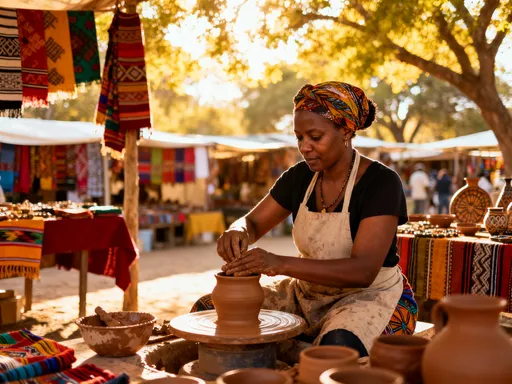
One of the most rewarding aspects of shopping in Pretoria is the opportunity to meet the people who create the goods. Unlike mass-produced items, many of the city’s best treasures come from hands that shape, stitch, and fire them with care. In the eastern suburbs, potters work in open-air studios, shaping clay on kick wheels and firing their pieces in wood-burning kilns. Their work often blends traditional Ndebele forms with contemporary aesthetics—bold geometric patterns rendered in modern palettes, or functional mugs with sculptural handles inspired by river reeds.
Jewelers, too, are redefining what local adornment can be. In a small workshop near Pretoria East, a metalsmith uses reclaimed silver and ethically sourced garnets to create pieces that echo both ancient symbolism and modern minimalism. She invites visitors to watch her work, explaining how each setting is chosen to reflect the stone’s natural energy. This transparency builds trust and deepens appreciation—knowing the origin of a piece, the hands that shaped it, and the values behind its creation makes it more than an accessory; it becomes a talisman of connection.
Textile artists are equally vital to Pretoria’s creative ecosystem. Some work with shweshwe fabric, preserving the intricate indigo dyeing process that dates back centuries, while others experiment with upcycled materials, turning discarded saris and military uniforms into patchwork quilts and tote bags. Many of these artisans collaborate with cooperatives that support women’s economic empowerment, ensuring that each purchase contributes to a larger social good. When travelers buy directly from makers—whether at a market stall or a studio visit—they participate in a cycle of dignity and sustainability, one that values human labor and cultural heritage over convenience and cost.
Practical Magic: Navigating Cash, Cards, and Haggling Etiquette
For all its charm, shopping in Pretoria’s hidden markets and boutiques requires a bit of practical preparation. While most established shops and larger markets accept credit and debit cards, smaller vendors often operate on a cash-only basis. It’s wise to carry a mix of payment methods, especially when venturing into less tourist-trafficked areas. ATMs are widely available in shopping districts, but it’s best to withdraw in daylight and in secure locations, such as banks or major retail centers.
Haggling is common in informal markets, but it should be approached with respect and a smile. Unlike in some cultures where negotiation is aggressive, Pretoria’s markets favor a more conversational style. A polite “Is this your best price?” or “Would you consider a little less?” is usually met with goodwill. Vendors appreciate customers who engage genuinely—asking about the product, complimenting the craftsmanship, or sharing a laugh. The goal isn’t to win a bargain at the expense of the seller, but to reach a fair agreement that feels good for both parties. Remember, many artisans rely on these sales for their livelihoods, so offering a reasonable price is part of the shared respect.
Timing can also enhance the experience. Early mornings are ideal for markets like Faerie Glen, when produce is freshest and crowds are lighter. By midday, the energy peaks—perfect for those who enjoy the buzz of activity. For a more relaxed visit, weekday afternoons at neighborhood boutiques often mean more personalized attention and quieter surroundings. Transportation options vary: while driving offers flexibility, ride-sharing services and metered taxis provide safe, convenient alternatives, especially in areas with limited parking. For the adventurous, cycling tours are emerging as a popular way to explore Pretoria’s retail gems, combining exercise with discovery.
Seasonal Rhythms: How Festivals and Pop-Ups Transform the Scene
Pretoria’s shopping landscape shifts beautifully with the seasons, offering fresh experiences throughout the year. The most famous of these transformations is the Jacaranda Festival, held each October when the city’s iconic purple blossoms blanket the streets. During this time, pop-up markets spring up in parks and plazas, featuring limited-edition products inspired by the season—jacaranda-scented candles, lavender-hued ceramics, and floral prints on scarves and notebooks. The atmosphere is festive, with live music, food trucks, and family activities turning shopping into a communal celebration.
Other seasonal highlights include the December holiday markets, where artisans gather to showcase gifts that are anything but ordinary. Handmade advent calendars, personalized ornaments, and gourmet hampers filled with local treats make these events a favorite among residents and visitors alike. In winter, smaller indoor bazaars take center stage, often hosted in community halls or repurposed warehouses. These cozy gatherings focus on warmth—literally and figuratively—with steaming mugs of spiced rooibos, woolen goods, and candlelit displays creating an intimate ambiance.
Even religious and cultural holidays influence the retail calendar. During Heritage Month in September, markets emphasize traditional crafts, storytelling, and indigenous cuisine. Easter brings pastel-colored eggs made from papier-mâché, while Diwali celebrations in areas with Indian communities feature gold-threaded textiles, brass lanterns, and boxes of homemade sweets. These events don’t just boost foot traffic—they deepen the cultural fabric of the city, reminding shoppers that retail is not separate from life, but woven into its very rhythm.
From Purchase to Memory: Making Your Finds Part of Your Story
The most lasting souvenirs are not the ones we buy, but the ones we remember. A hand-thrown bowl from Pretoria isn’t just a vessel for fruit—it becomes a reminder of the morning you watched it being glazed under a dusty sun, the potter’s hands moving with quiet confidence. A woven basket isn’t merely decorative; it carries the echo of the woman’s voice who explained how each color represents a different village in her homeland. These objects gain meaning through the moments they anchor, transforming from possessions into personal artifacts.
Travelers can deepen this connection by preserving the stories behind their finds. A small journal entry, a photo of the vendor, or a saved ticket stub from the market can help keep the memory alive. Some even create a “travel altar” at home—a shelf or corner where souvenirs are displayed with intention, each item placed with care and reflection. This practice turns shopping into a form of storytelling, where every object becomes a chapter in a larger narrative of discovery.
Shopping in Pretoria, at its best, is an act of curiosity and openness. It invites you to slow down, to look closely, to listen. It asks you to see the person behind the product, to appreciate the skill in a stitch or the patience in a glaze. More than that, it offers a way to carry a piece of a place—not as a trophy, but as a thread in the fabric of your own life. So the next time you find yourself in Pretoria, step off the main roads, follow the scent of rooibos and woodsmoke, and let the city reveal itself, one handmade treasure at a time. You might just find more than you were looking for.